Hilsa Import Ban
Bangladesh Halts Indian Hilsa Imports Amid Concerns Over Misrepresentation and Pricing
Anonymous
Key Points
1
Bangladesh had previously approved imports of 1,739.5 tonnes of Indian hilsa for the fiscal year, but only 553 tonnes had entered through Benapole before the suspension.
2
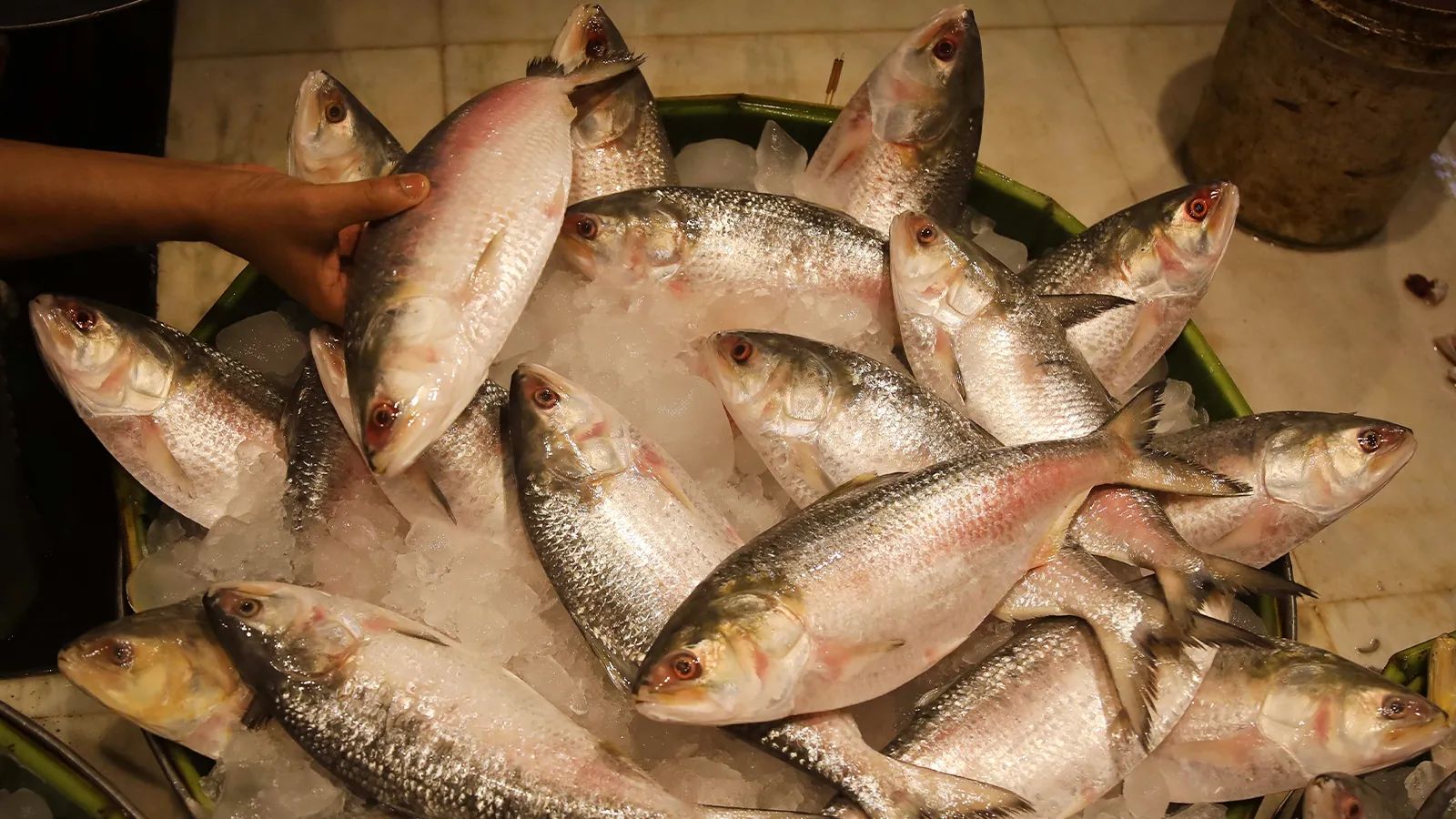
The Indian hilsa imported by Bangladesh was mainly sourced from Gujarat and shipped through Bharuch port. Article 2 describes it as leaner and more bitter-tasting than Padma hilsa, which it says is fattier, tenderer and has a distinctive fragrant sweetness.
3
Bangladesh’s customary export decision is normally announced between September 15 and 20, according to a Kolkata fish-importers’ representative. He said there was little time left to import fish before Bangladeshi fishermen stop catching hilsa from October 7.
4
Bangladesh imposed restrictions on hilsa exports to India in 2012, according to the Indian Express, making the customary pre-Durga Puja shipments an exception to the broader export restrictions.
Bangladesh has halted hilsa imports from India and cancelled 103 import permits on September 22, throwing the traditional pre-Durga Puja fish trade into chaos. Indian Express reports the country is also unlikely to export its prized Padma hilsa to India this season, upending decades of tradition and leaving fish lovers in Bengal facing potential shortages.
About 553 tonnes of Indian hilsa had already entered Bangladesh through the Benapole land port since July before the ban took effect. The Daily Jagran notes that Bangladesh produces some of the world's largest hilsa supplies, making this sudden reversal a significant blow to regional trade and festival preparations.
Why Bangladesh Shut Down the Import Gate
Bangladesh never officially explained the permit cancellations. But sources point to concerns that cheaper Indian hilsa could be repackaged and sold as premium Padma hilsa at inflated prices. News18 reports the ban may also protect domestic producers and prevent under-invoicing schemes that reduce tax revenue.
Indian hilsa, sourced mainly from Gujarat and shipped through Bharuch port, tastes noticeably different from Padma varieties. The Indian fish is leaner and more bitter, while Padma hilsa is fattier, tenderer, and has a distinctive fragrant sweetness — making substitution easier to spot but also a tempting profit opportunity for unscrupulous sellers.
Why Kolkata's Durga Puja Table May Stay Empty
Bangladesh typically announces hilsa exports to India between September 15 and 20 — a customary exception to the 2012 export restrictions it imposed. This year, that announcement never came. ABP Live reports Kolkata's hilsa lovers are bracing for shortages as the window to import fish before Bangladesh's fishing season ends on October 7 rapidly closes.
Time is running out. A Kolkata fish-importer representative says there is little time left to secure shipments before local fishermen stop catching hilsa. The customary pre-festival supply has become a lifeline for the region, making the silence from Bangladesh authorities particularly jarring.
A Reversal of Decades of Trade Patterns
The halt marks a dramatic shift. India had just sent around 500 to 553 tonnes of hilsa to Bangladesh over two months — a rare reversal of the normal flow of trade. News18 characterizes it as a significant departure from traditional patterns between the two countries.
For Bengal, losing access to both Indian imports and Bangladesh's customary exports creates a double squeeze. The Daily Jagran notes that Bengali consumers depend on these two supply channels to keep hilsa affordable and available during the festival season, a cultural cornerstone of Durga Puja celebrations.
Sentiment
Mostly NegativeNEGATIVENEUTRALPOSITIVE
Publishers
15
Articles
8
Reach
23
A
AnonymousAuthor