Sumaya Reportedly Wins Indonesia’s First Teqball Silver
Sumaya Reportedly Wins Indonesia’s First Teqball Silver
Anonymous
Key Points
1
Sumaya began the group stage with a straight-set victory over Lebanon’s Kamar Dandal, 12-9, 12-11, but then lost to eventual champion Wai Khin Hnin, 10-12, 8-12, before defeating Kyrgyzstan’s Aidana Otorbaeva, 6-12, 12-6, 12-6.
2
In the semifinal against India’s Quimcy Joaquim Dsouza, Sumaya fell behind 1-5 and lost the opening set 7-12, then recovered by winning the second and third sets 12-9 and 12-7. Her comeback featured aggressive attacking play and strong serving after Dsouza had built a 7-3 lead in the deciding set.
3
Sumaya’s repechage victory over Cambodia’s Dy Koemyean was a straight-set result, 12-8, 12-7, rather than a three-set contest.
4
Indonesia’s chef de mission, Todotua Pasaribu, said Sumaya’s and pentathlete Caroline Bangun’s finals appearances could inspire other Indonesian teams to exceed the country’s medal target. He noted that both pentathlon and teqball had not been included in the initial medal projections.
5
Sumaya’s silver contributed to Indonesia’s reported overall total of four medals at the Games—one silver and three bronze—while the Indonesian teqball team accounted for two of those podium finishes.
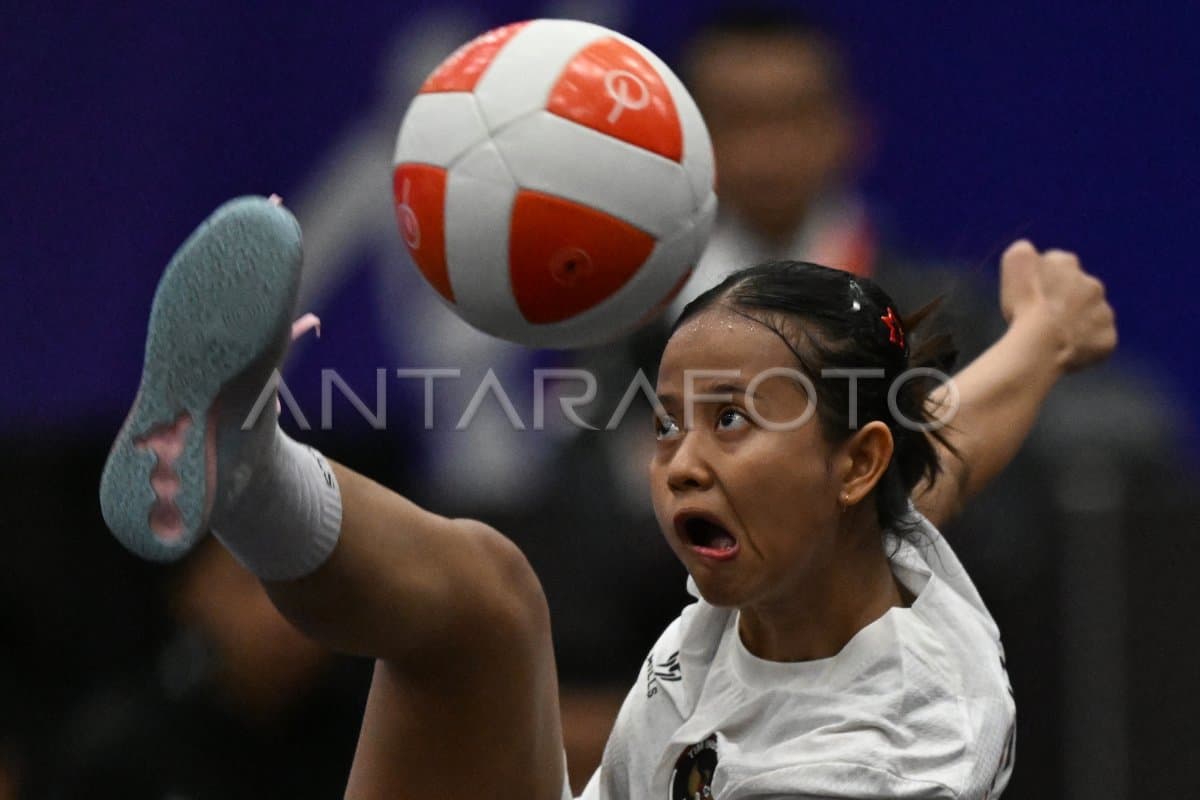
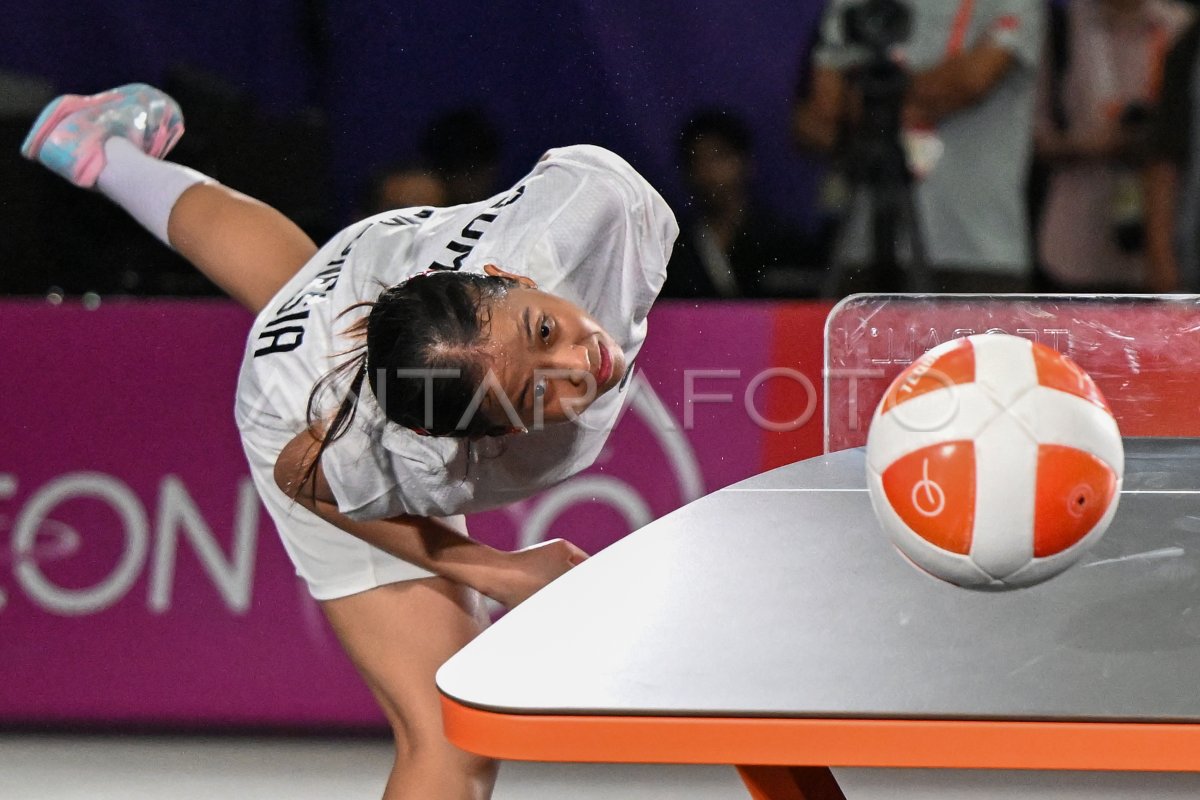
Indonesia's Sumaya claimed the silver medal in women's singles teqball at the 2026 Asian Games in Aichi-Nagoya, making history as the country's first-ever medalist in the sport at the Games. Antara Foto reported that the 21-year-old lost to Myanmar's Wai Khin Hnin in the championship match after winning the opening set 12-10, with her opponent rallying to take the next two sets and the gold.
Sumaya's unexpected medal came after Indonesia had not initially projected teqball as a medal-winning sport. Her run to the final included a comeback win over India's Quimcy Joaquim Dsouza in the semifinals, where she lost the first set 7-12 before capturing the next two, 12-9 and 12-7.
Strong Start Followed by Group Stage Setback
Sumaya opened the group stage with a dominant straight-set win over Lebanon's Kamar Dandal, 12-9, 12-11. However, she then suffered a loss to eventual champion Wai Khin Hnin, falling 10-12, 8-12 in what would be a preview of the final matchup.
Sumaya rebounded quickly with a 6-12, 12-6, 12-6 victory over Kyrgyzstan's Aidana Otorbaeva. She finished second in Group B, which positioned her for the repechage bracket where she would face Cambodia's Dy Koemyean.
Dramatic Semifinal Rally Against India's Dsouza
In the semifinals, Sumaya faced a steep climb. After dropping the opening set 7-12 to India's Quimcy Joaquim Dsouza, she was down 3-7 in the decisive third set. But she shifted tactics, deploying aggressive attacking play and strong serving to storm back.
Sumaya won the second set 12-9 and then claimed the third set 12-7 to advance to the final. Her comeback demonstrated poise under pressure and the ability to adjust her game mid-match when facing a deficit.
Repechage Victory Sets Up Championship Final
Before reaching the semis, Sumaya had to navigate the repechage bracket after finishing second in her group. She made quick work of Cambodia's Dy Koemyean, winning straight sets 12-8, 12-7 without needing to go to three sets.
This victory earned her a spot in the semifinals and kept her medal hopes alive. Her efficient dispatch of Koemyean showed consistency and control in the repechage stage.
Teqball Surprise Contributes to Indonesia's Unexpected Medal Haul
Indonesia's chef de mission, Todotua Pasaribu, noted that Sumaya's run to the final—alongside pentathlete Caroline Bangun's appearance in her discipline's final—exceeded initial expectations. Neither teqball nor pentathlon had been in the country's original medal projections.
Sumaya's silver was one of two podium finishes for the Indonesian teqball team at the Games. Indonesia finished with four total medals at Aichi-Nagoya: one silver and three bronze, with the teqball squad accounting for half of those medals.
Sentiment
Mostly PositiveNEGATIVENEUTRALPOSITIVE
Publishers
15
Articles
4
Reach
19
A
AnonymousAuthor