Regional Cleanliness Drives
Leaders Across Delhi and Bihar Lead Major Cleanliness Drives and Sanitation Campaigns
Anonymous
Key Points
1
Arjun Ram Meghwal said a mindset of cleanliness helps create a productive environment and enables citizens to contribute to building a developed nation; he also credited Prime Minister Narendra Modi with efforts since 2014 to advance Mahatma Gandhi’s vision of Swachhata.
2
The Delhi University campaign began at 7:30 a.m. with a cleanliness pledge near Gwyer Hall Hostel, and the university said it would observe the campaign from September 17 to October 17.
3
The initiative announced by G. Kishan Reddy was reported to have a ₹500 crore budget and a target of 10,000 sanitation projects by the end of 2026, with 4,500 projects completed at the time of the report.
4
The New Delhi Municipal Council reported a 30% reduction in waste disposed of in public areas, according to the report on Reddy’s initiative.
5
In Bihar, Chaudhary’s campaign was named Seva Sankalp Abhiyan and used the motto “Seva Mera Yogdan”; he urged people to keep homes, workplaces and surrounding areas clean.
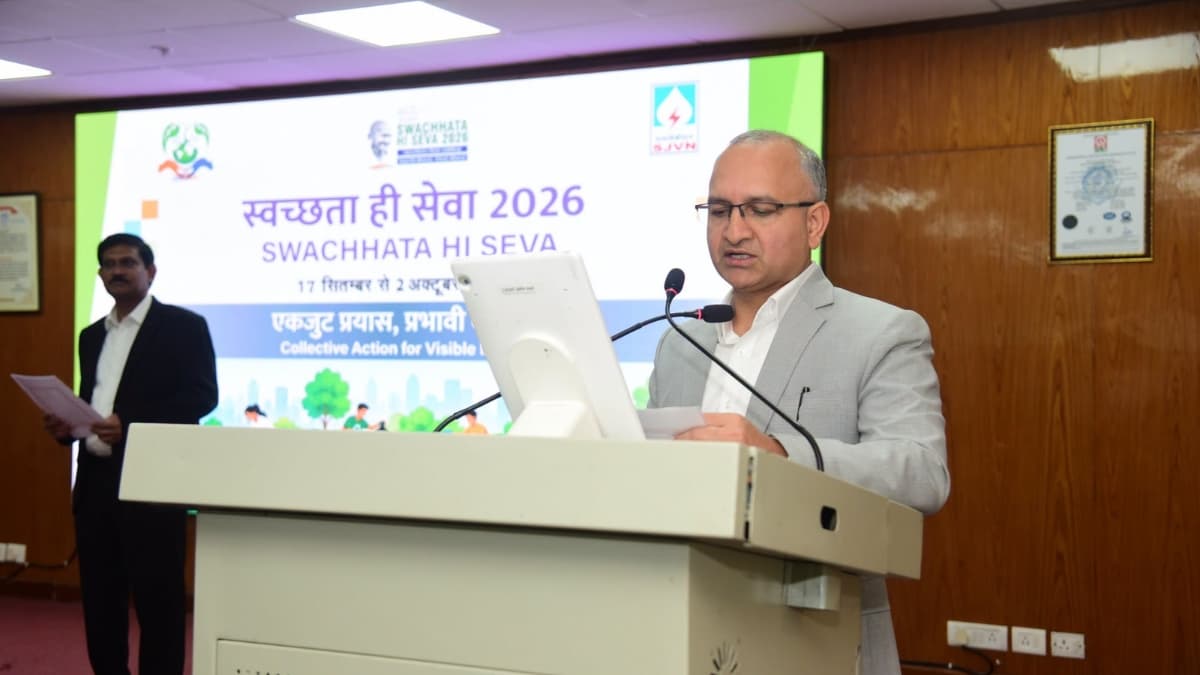
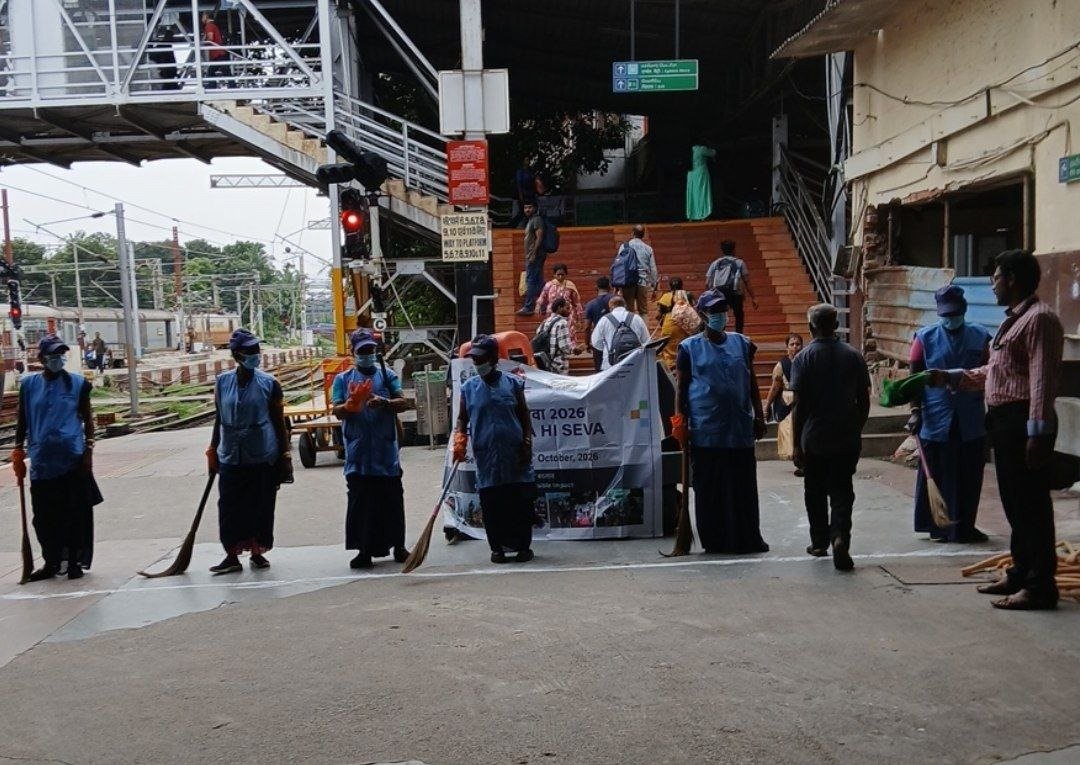
Government officials across Delhi and Bihar launched major cleanliness campaigns this week, bringing together politicians, students, and volunteers to tackle sanitation and waste. Union Law Minister Arjun Ram Meghwal joined a tree-planting event in Delhi under Swachhata Hi Seva, while Chief Minister Rekha Gupta kicked off a month-long cleanup at Delhi University with 7:30 a.m. pledges and campus restoration efforts.
The drives reflect a broader push across India's government to embed cleanliness into daily life. Union Minister G. Kishan Reddy announced a ₹500 crore initiative targeting 10,000 sanitation projects by end of 2026, with 4,500 already completed. In Bihar, Chief Minister Samrat Chaudhary launched Seva Sankalp Abhiyan, urging residents to keep homes, workplaces, and neighborhoods clean as a shared everyday responsibility.
Delhi's Month-Long University Cleanup Campaign
Delhi University kicked off its cleanliness drive on September 17, with a formal pledge ceremony at 7:30 a.m. near Gwyer Hall Hostel. Students, staff, and civic workers fanned out across campus and the adjacent Kamala Nehru Ridge, removing litter and planting greenery. The university committed to running the campaign through October 17, making cleanliness a core focus for the entire month.
₹500 Crore Plan to Transform Public Spaces
Union Minister G. Kishan Reddy rolled out an ambitious sanitation roadmap with a ₹500 crore budget and clear targets. By the end of 2026, the initiative aims to complete 10,000 sanitation projects across parks, streets, and neighborhoods. As of the campaign's announcement, 4,500 projects were already finished, showing steady progress on the ground.
The plan includes park upgrades, electronic-waste collection drives, and community cleanups. The New Delhi Municipal Council reported a 30% drop in waste found in public areas, a measurable win in the fight against litter and poor sanitation in the capital.
Law Minister Links Cleanliness to National Development
Arjun Ram Meghwal emphasized that a culture of cleanliness builds a stronger society. He said a mindset of cleanliness helps create a productive environment. Such habits enable citizens to contribute to building a developed nation, he argued, tying personal action to national progress.
Meghwal credited Prime Minister Narendra Modi with advancing Mahatma Gandhi's vision of Swachhata (cleanliness) since 2014. This framing connects current campaigns to Gandhi's legacy and India's broader development goals, making cleanliness a patriotic and cultural imperative rather than just a practical necessity.
Bihar's 'Seva Sankalp Abhiyan' Reframes Cleanliness as Duty
Bihar Chief Minister Samrat Chaudhary launched the Seva Sankalp Abhiyan campaign in Patna, adopting the motto 'Seva Mera Yogdan' (Service is My Contribution). He urged residents to treat cleanliness not as a one-time event but as an everyday shared responsibility. The campaign targets homes, workplaces, and surrounding areas as zones needing constant attention and care.
Sentiment
Mostly PositiveNEGATIVENEUTRALPOSITIVE
Publishers
14
Articles
14
Reach
28
Topics
A
AnonymousAuthor