Meta Unveils Muse Charm
Meta Unveils Muse Charm Palm-Sized AI Device for Hands-Free Assistant Access
Anonymous
Key Points
1
Muse had already become the most-downloaded app in the US on both Apple and Android shortly after launching, and offers autonomous bots for tasks such as ordering groceries, booking travel and organizing finances.
2
Meta announced live conversations with Muse and described the assistant as having “state-of-the-art privacy and security.”
3
The Charm is said to have interchangeable avatars and an action button in addition to its fingerprint sensor—details not included in the summary.
4
The launch follows a mixed track record for dedicated AI gadgets: the article notes that Rabbit’s R1 handheld was discontinued after offering a limited set of capabilities.
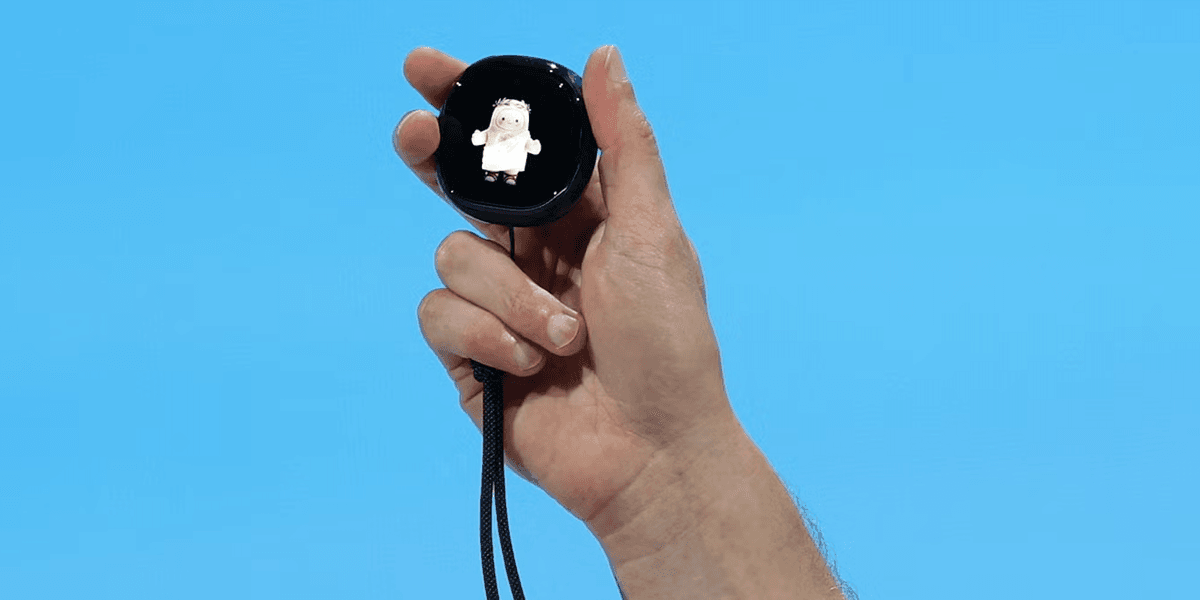
Meta unveiled Muse Charm at Connect 2026, a palm-sized keychain device that puts its Muse AI assistant in your pocket without needing a smartphone. Street Insider reports the roughly 2-inch screen device features voice interaction, cameras, a fingerprint sensor, and built-in 5G — arriving December 2026 at an unannounced price. The launch caps a meteoric rise: Muse became the most-downloaded app in the US on iOS and Android within weeks of its September debut.
Zuckerberg called it "personal superintelligence," claiming the device packs "the whole Muse experience into something that fits on a keychain and is always available to talk to." Reuters reports Meta integrated Charm with retail partners including Walmart, Best Buy, and Sephora to let the AI autonomously order groceries, book flights, and manage finances. The announcement sparked both investor enthusiasm — Meta shares jumped 3% — and public mockery over carrying another pocket gadget.
Muse's Rapid Rise as America's Top AI App
Muse launched standalone on September 8, 2026, and immediately dominated US app charts on both iOS and Android. Mashable reports the assistant autonomously handles real-world tasks: booking travel, ordering groceries, organizing finances, filing tax forms, and even requesting airline compensation. This hands-off approach sets Muse apart from chatbots that require step-by-step prompts from users.
Hardware Strategy to Escape Apple and Google's Control
The Muse Charm represents Meta's bid to bypass the iPhone and Android gatekeepers that Apple and Google control. Seeking Alpha reports the keychain device features a 2-inch OLED screen, front and rear cameras, 5G connectivity, USB-C charging, and a fingerprint sensor to unlock voice commands. Zuckerberg demonstrated the device controlling his schedule via an animated AI avatar named Agrippa.
Users tap the fingerprint sensor to trigger hands-free conversations with customizable avatars. Engadget notes the device includes an action button and supports interchangeable character designs. Meta pitches Charm as a always-on companion that keeps your hands free and eyes off a screen — a stark contrast to smartphone-dependent AI assistants.
Retail Partnerships Turn Muse Into a Shopping Portal
Meta announced direct integrations with major retailers at Connect 2026. Quartz reports partnerships with Walmart, Best Buy, Sephora, Wayfair, and Gap let Muse autonomously complete purchases. The AI taps Shop Pay and PayPal credentials to finish transactions without user confirmation — a controversial feature that streamlines shopping but worries privacy advocates.
These retail hooks position Muse as a direct threat to search engines and travel sites like Booking.com and Expedia. When a user asks Muse to "book a hotel," the AI doesn't just search — it books. This shift could reshape e-commerce, moving purchasing power from human-driven searches to autonomous agent decisions.
Privacy Warnings and Skepticism Over Dedicated AI Hardware
The Charm's always-listening microphones, rear-facing camera, and autonomous financial access have triggered privacy alarms. Mashable reports cybersecurity experts warn that giving an AI persistent access to location data, camera feeds, and payment credentials creates attack surfaces for data breaches and unwanted transactions. Meta claims "state-of-the-art privacy and security," but past hardware ventures offer caution.
Dedicated AI gadgets have flopped before. Gizmodo notes Humane's AI Pin shut down in February 2025, and Rabbit's R1 handheld faced discontinuation after proving too limited for everyday use. Social media users have mocked the Charm as a "Tamagotchi-like" digital pet that demands feeding with personal data. Skeptics question whether a $1,300 ecosystem (Charm plus Meta's VR glasses launching Spring 2027) justifies the privacy trade-offs.
Sentiment
Mostly PositiveNEGATIVENEUTRALPOSITIVE
Publishers
41
Articles
54
Reach
95
A
AnonymousAuthor