Meta Plans Camera-Free Glasses, Phoenix Headset
Meta Plans Camera-Free Glasses, Phoenix Headset
Anonymous
Key Points
1
Meta CEO Mark Zuckerberg is scheduled to speak at Meta Connect on September 23 at 7 p.m. ET, with developer-focused sessions beginning the following day.
2
Project Phoenix may use a wired connection to a separate compact computing unit and rely on eye and hand tracking instead of traditional controllers; it is also reportedly expected to use Qualcomm’s Snapdragon Reality Elite chip.
3
Meta could announce that its AI agent will run on future hardware, while also bringing its holographic avatars to virtual reality to make interactions feel more lifelike.
4
Meta’s Muse image-generation tool has drawn attention because it can create content using material from other users’ public social-media posts, an issue that could shape discussion of the company’s AI strategy.
5
The event’s practical demonstrations may center on hands-free uses such as navigation, translation, memory assistance, accessibility and content capture—capabilities that could determine whether smart glasses become daily-use devices rather than showcase products.
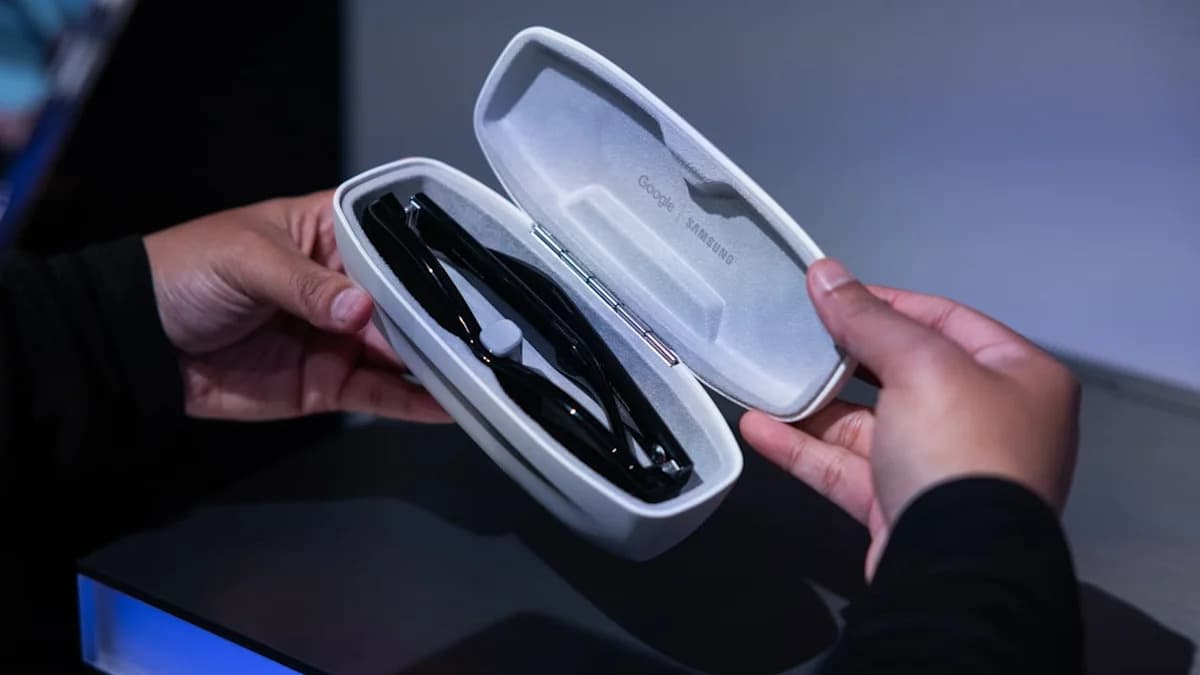
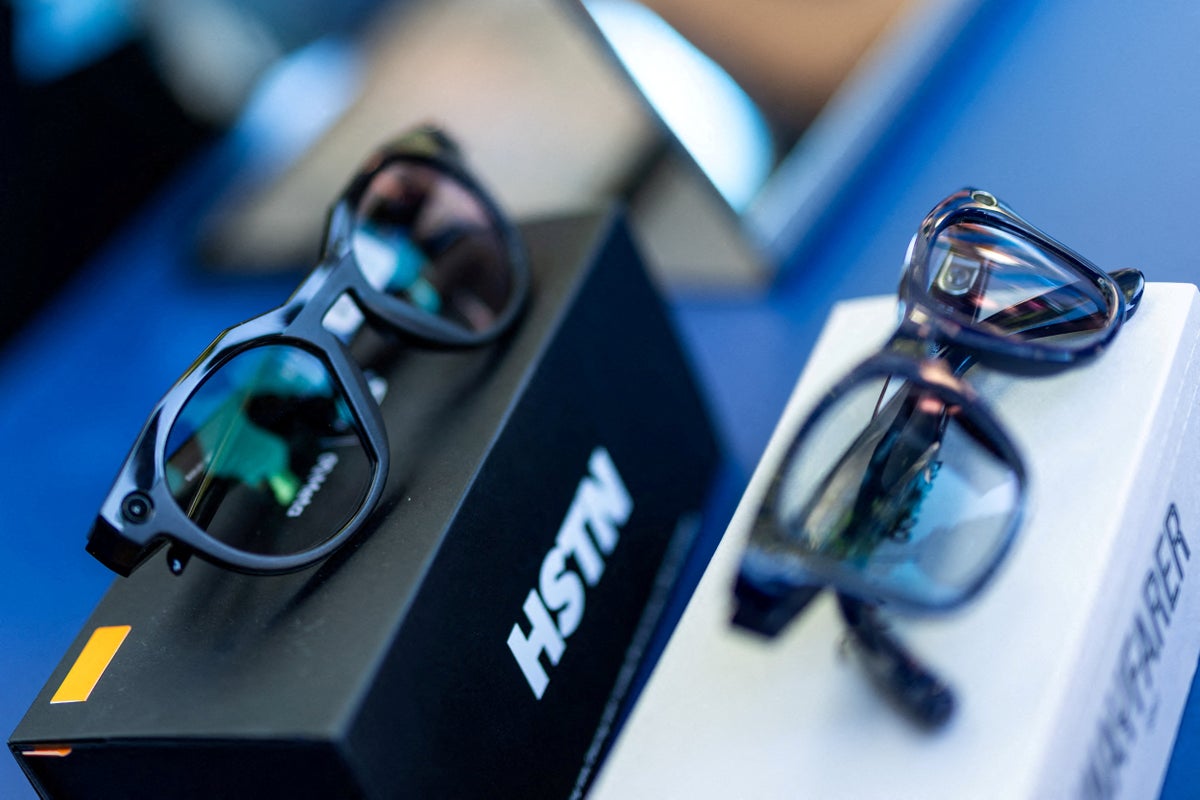
Meta is planning a major shift in smart glasses design to address growing privacy backlash. At Meta Connect 2026 on September 23, the company is expected to unveil camera-free glasses in multiple styles with thinner frames, moving away from the recording capabilities that sparked public outrage over CTV News reports of covert recordings. CEO Mark Zuckerberg will also likely showcase the Phoenix headset, a mixed-reality device with eye and hand tracking designed to compete in the emerging post-smartphone era.
The broader challenge for Meta is proving that smart glasses and mixed-reality devices can deliver genuine, hands-free AI benefits while rebuilding public trust. Privacy concerns are threatening to slow adoption of AI wearables across the entire tech industry, CTV News reported, forcing companies like Meta to rethink how they design and market their next-generation hardware.
Camera-Free Glasses Address Recording Privacy Backlash
Meta's Ray-Ban smart glasses drew intense criticism for their integrated cameras, which users could activate to record video and audio without people's knowledge. CTV News documented how privacy fears centered on Meta's Ray-Bans and their recording capabilities. In response, Meta is designing new glasses that eliminate cameras entirely while adding extra microphones and improving visual indicators that let people know when recording is happening.
The move signals that Meta recognizes the public won't embrace wearable AI devices built around covert surveillance. By removing cameras from some models, Meta hopes to prove the technology can work without constantly watching—and recording—everyone nearby. The company plans to offer glasses in multiple styles and thinner frame designs to make them more appealing as everyday wear.
Phoenix Headset to Feature Eye and Hand Tracking
Meta's rumored Phoenix mixed-reality headset represents a different approach to wearable computing. Unlike traditional VR headsets that require hand controllers, Project Phoenix will use eye and hand tracking to let users control the device with gestures and looks. The system reportedly connects via wire to a separate, compact computing unit, keeping the headset itself lightweight.
The Phoenix is expected to use Qualcomm's Snapdragon Reality Elite chip, which can handle the power-intensive work of processing eye and hand movements in real time. This design—splitting the processing between the headset and an external unit—could solve one of mixed reality's biggest problems: battery life. The wireless connection keeps weight off users' heads while maintaining performance.
Hands-Free AI Tools Could Make Glasses Actually Useful
Meta's biggest opportunity lies in proving that smart glasses solve real problems. The company plans to demonstrate hands-free AI applications focused on navigation, translation, memory assistance, accessibility and content capture. These practical uses—not recording strangers—could convince people that smart glasses deserve a permanent spot in daily life.
Meta is also expected to announce that its AI agent will run on future hardware and bring holographic avatars to virtual reality for more lifelike interactions. If these features work smoothly without cameras watching everything, they could overcome privacy concerns that currently threaten adoption across the entire AI wearables industry, The Independent noted.
Meta's Image AI Tool Raises New Privacy Questions
Even as Meta addresses camera privacy, the company faces scrutiny over its Muse image-generation tool. Muse can create new images using material from other users' public social-media posts without explicit permission. This capability has drawn attention as Meta pushes AI deeper into its products, raising questions about whether the company can be trusted with user data.
Privacy experts worry that Meta's pattern of collecting and repurposing user content will undermine efforts to rebuild trust. The Muse tool issue will likely shape public discussion of Meta's broader AI strategy, even as the company unveils camera-free hardware designed to address physical recording concerns.
Sentiment
Mostly NegativeNEGATIVENEUTRALPOSITIVE
Publishers
31
Articles
192
Reach
223
Topics
A
AnonymousAuthor