AI Art Backlash
AI-Generated Murals Spark Backlash Over Local Identity and Creative Integrity
Anonymous
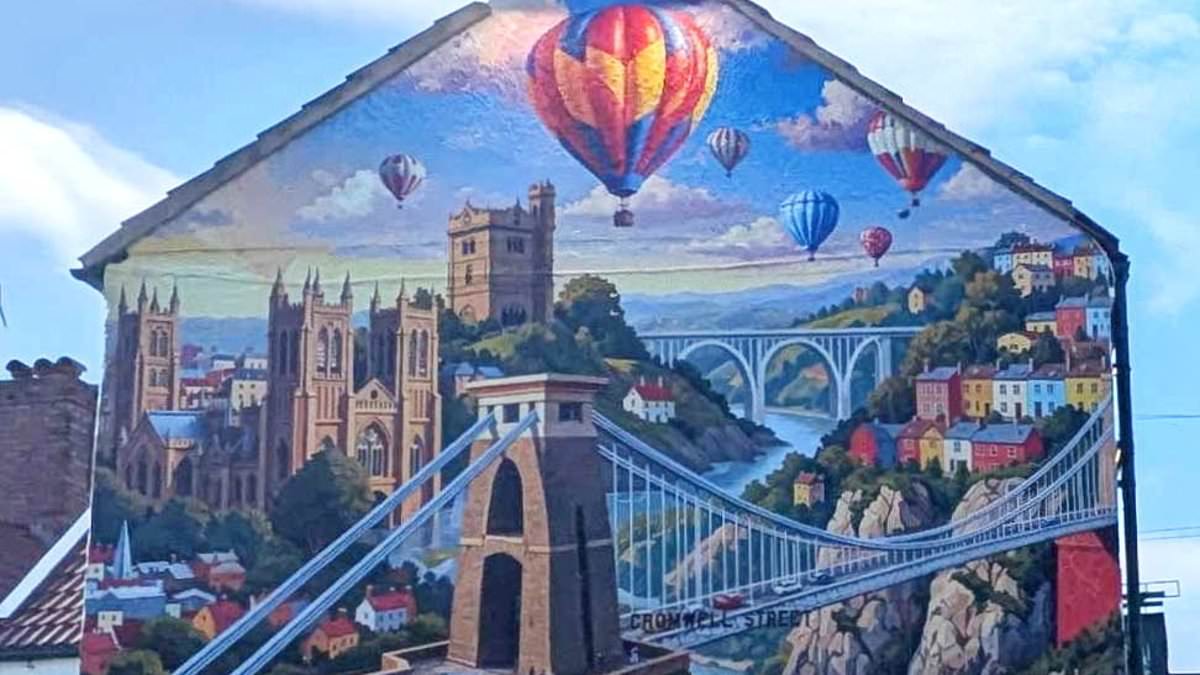
Key Points
1
The mural depicts several landmarks inaccurately: Cabot Tower is unrecognisable, the SS Great Britain resembles a steam-powered tugboat, and Banksy’s “Mild Mild West” is misinterpreted.
2
The mural appeared in an area that hosts Upfest, described as Europe’s largest street-art festival, where artists use blank buildings as canvases.
3
An anonymous community letter posted on the pub accused those responsible of “laziness” and called the mural a “disrespectful affront,” saying it was “riddled with glaring mistakes,” including invented buildings.
4
Bristol artist Ollie Gilliard, known as Gage Graphic, described the work as a “careless and rushed” piece and said he understood why local residents were disappointed.
5
The Philippine school’s AI poster contest was part of its 2026 Teachers’ Month Celebration and carried the theme “Teacher, ikaw naman!” The student government said participants were expected to conceptualize their work, write appropriate prompts, evaluate the AI output and remain responsible for the final result.
An AI-generated mural on a Bristol pub has been torn down after residents and local artists slammed it for mangling the city's iconic landmarks. The vinyl sticker on the Jolly Colliers in Bedminster depicted Cabot Tower as unrecognizable, the SS Great Britain as a tugboat, and misinterpreted Banksy's famous "Mild Mild West" work. Robb Report reported the work sparked swift backlash in a city famous for street art and home to Banksy himself.
The controversy extends beyond Bristol. A public high school in the Philippines faced online criticism for running an AI poster-making contest, with observers questioning whether the activity genuinely builds student creativity or simply outsources thinking to machines. Both incidents raise questions about AI art's place in creative communities.
Mistakes Pile Up in AI Mural Design
The mural was riddled with errors that angered Bristol's art community. According to an anonymous community letter, the work contained "glaring mistakes" and even depicted buildings that don't exist. Cabot Tower, one of Bristol's most recognizable landmarks, was nearly impossible to identify. The SS Great Britain—Isambard Kingdom Brunel's historic steamship—looked like a small tugboat instead.
Local artist Ollie Gilliard, known as Gage Graphic, called the piece "careless and rushed." ArtNews reported he sympathized with residents' disappointment. The mural also botched Banksy's "Mild Mild West," a celebrated work that defines Bristol's street-art identity. For a city hosting Upfest—Europe's largest street-art festival—the errors felt especially disrespectful.
Bristol Artists Say AI Undermines Local Creatives
Members of the Bristol Mural Collective argued the AI work sidelined human artists. Yahoo reported that the community letter accused those behind the mural of "laziness," calling it a "disrespectful affront" to a city built on authentic street art. The pub's owner, Punch Pubs & Co., said the mural was temporary and promised to commission local artists to replace it.
The timing matters. The mural appeared in Bedminster, an area that hosts Upfest and serves as a canvas for working artists. This is Money noted the removal came after sustained local pressure. For Bristol's creative community, the issue wasn't just sloppy design—it was the broader message that AI could substitute for human talent and effort.
Philippine School's AI Contest Sparks Digital Literacy Debate
Halfway across the world, a public high school in the Philippines organized an AI poster-making contest for its 2026 Teachers' Month Celebration. The student government said the activity aimed to promote creativity, digital literacy, and responsible AI use—not replace students' thinking. Participants were expected to conceptualize ideas, write prompts, evaluate results, and take responsibility for the final work.
Skeptics questioned whether typing prompts into an AI system meaningfully develops creativity. The debate mirrors Bristol's core concern: Does AI art undermine or complement human creativity? The school's student government insisted the contest wasn't about shortcuts. Instead, it treated AI as a tool students should learn to use thoughtfully—a position that divides educators and artists globally.
Sentiment
Mostly NegativeNEGATIVENEUTRALPOSITIVE
Publishers
14
Articles
7
Reach
21
A
AnonymousAuthor


