Primate Opera Technique
Wild Indri Lemurs Use Opera Singing Techniques to Project Calls Across Rainforests
Anonymous
Key Points
1
Indris are the only lemur species known to sing, distinguishing them from other lemurs and making their vocal behavior especially important for studying primate communication.
2
The study was published in PLOS Computational Biology, and researchers used motion-tracking technology to follow the position of the animals’ lips frame by frame while matching the movements with their vocal frequencies.
3
Researchers said the finding could help illuminate the evolution of human music and vocal control; a separate 2025 study found that young indris learn to sing in a way comparable to human children learning vocal behavior.
4
The research involved scientists from the University of Warwick, the University of Turin and Madagascar, reflecting a multinational effort that has followed indri communication for several years.
5
Lead author Filippo Carugati said the vocal similarity is striking because humans and indris diverged from a common ancestor roughly 70–74 million years ago, yet appear to have developed a comparable way to solve the problem of projecting sound.
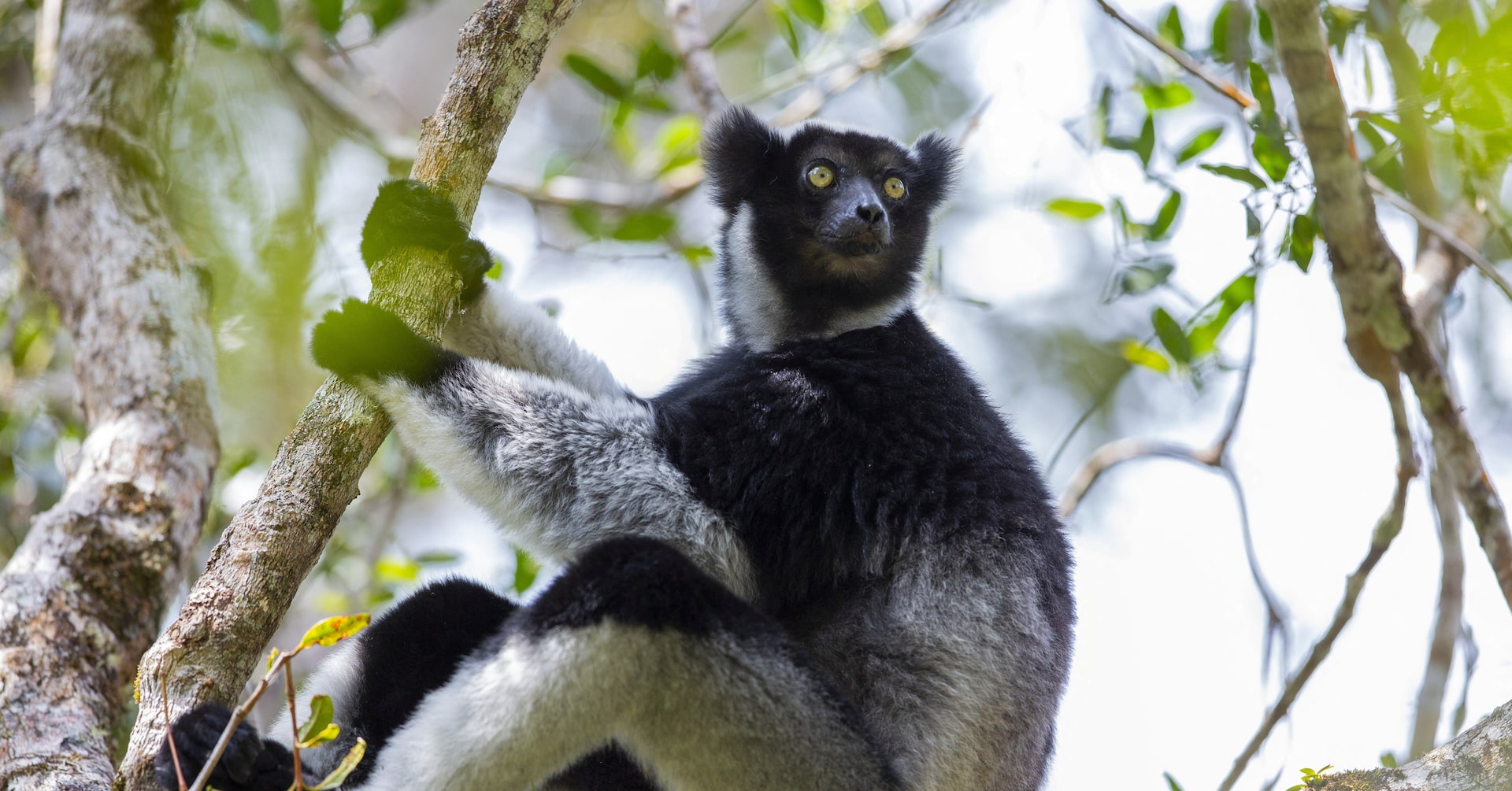
Wild indri lemurs in Madagascar use the same vocal trick as opera singers to belt out songs through dense rainforest, according to new research Reuters. The lemurs open their mouths wider when they hit higher notes, a technique called formant tuning that helps their calls travel farther. Scientists analyzed 83 video recordings of 19 indris and found a strong link between mouth opening and pitch — the first direct proof of this vocal-tract coordination in a nonhuman primate.
The finding is striking because humans and indris split from a common ancestor roughly 70–74 million years ago, yet both evolved the same way to project sound over distance Reuters. Lead researcher Filippo Carugati said the similarity suggests convergent evolution — nature arriving at the same solution through different paths. The critically endangered indris, found only in Madagascar, are the only lemur species known to sing, making their vocal behavior a window into how communication evolved.
How Lemurs Open Wide to Hit High Notes
Indris sing haunting songs to bond with family and defend territory across the rainforest canopy. The researchers used motion-tracking technology to follow the position of the animals' lips frame by frame while measuring their vocal frequencies Reuters. Every time a lemur sang a higher note, it opened its mouth wider — the exact same technique opera singers use to amplify sound and reach audiences in large concert halls.
Young Indris Learn Songs Like Human Babies
The vocal abilities of indris go beyond just opening their mouths. A separate 2025 study found that young indris learn to sing in ways comparable to human children learning to talk Reuters. This developmental pattern suggests the lemurs' singing is a learned skill passed down through generations, not just instinct. The finding adds another layer to how similar indri communication is to human vocal behavior, despite the millions of years separating our species.
International Team Tracks Years of Lemur Research
The study, published in PLOS Computational Biology, drew scientists from the University of Warwick, the University of Turin, and researchers based in Madagascar Reuters. This multinational effort reflects years of work following indri communication in the wild. The collaboration between European and Madagascar-based teams was essential to collecting the video data and understanding the context of how these endangered lemurs use their voices in their natural habitat.
Why This Matters for Understanding Animal Communication
The research could help explain how humans developed music and vocal control over time. By studying how indris solve the problem of projecting sound, scientists gain insight into the roots of communication across primates. The indris' endangered status also makes this work urgent — understanding their behavior now helps protect the species before it disappears. Every discovery about their singing brings us closer to grasping how animals evolved the ability to communicate across distance.
Sentiment
Mostly NegativeNEGATIVENEUTRALPOSITIVE
Publishers
15
Articles
123
Reach
138
A
AnonymousAuthor


