Red Sea Naval Mission Expansion
EU Urges Member States to Deploy Ten Warships for Red Sea Protection
Anonymous
Key Points
1
Operation Aspides has supported more than 2,390 merchant vessels and provided close protection to more than 720 ships since its launch in February 2024, according to the EU.
2
The European External Action Service said Aspides remains firmly committed to a defensive mandate focused on protecting commercial shipping, supporting seafarers and helping secure international sea lanes.
3
Kallas identified the Black Sea, the Strait of Hormuz and the Bab el-Mandeb Strait as three critical maritime chokepoints whose disruption could have consequences well beyond their immediate regions.
4
Aspides relies mainly on three vessels from Italy and Greece, with other EU member states providing only occasional support; EU countries have shown limited interest in increasing the mission’s ship numbers or changing its objectives.
5
In a September 19 letter to the EU’s 27 member states, Kallas warned that the evolving security situation could further strain economies through higher fuel prices, in addition to its effects on European supply chains.
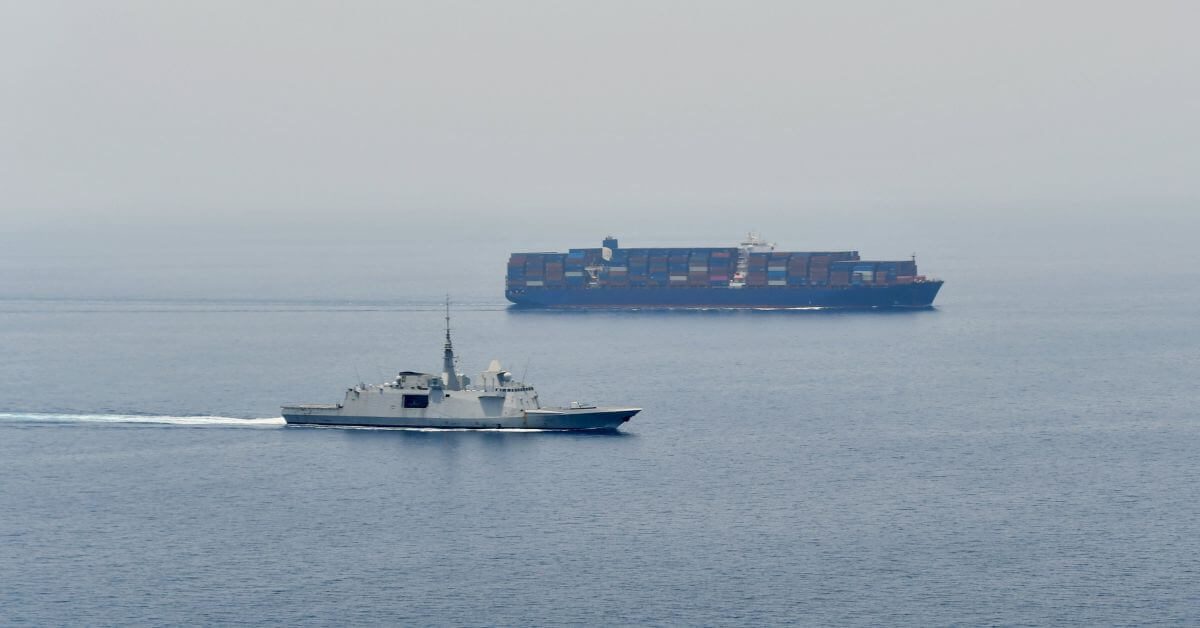
The European Union is calling for a major naval buildup in the Red Sea as Houthi attacks threaten global shipping. Marine Insight reports that EU foreign policy chief Kaja Kallas says Operation Aspides needs more than 10 warships — nearly double the six currently deployed — to protect merchant vessels and critical sea lanes near Yemen.
Since February 2024, Aspides has escorted more than 2,390 merchant vessels and provided close protection to 720 ships, G Captain notes. But Economic Times reports Kallas warned in a September 19 letter that the mission's slow staffing could strain EU economies through higher fuel costs and supply chain disruptions.
A Mission Stretched Too Thin
Operation Aspides launched in February 2024 to defend commercial shipping in the Red Sea's Bab el-Mandeb Strait. Today, Jerusalem Post reports, only about six warships operate under the mission — mostly from Italy and Greece. Other EU nations provide only occasional support, leaving the operation severely understaffed as Houthi attacks intensify along Yemen's coast.
Three Critical Chokepoints at Risk
G Captain reports that Kallas identified three maritime chokepoints whose disruption threatens the entire global economy: the Black Sea, the Strait of Hormuz, and the Bab el-Mandeb Strait. Houthi advances in the Red Sea region have sparked European fears about supply chain delays and rising shipping costs that ripple worldwide.
Italy Prepares Separate Deployment
Frustrated with the EU's response, Marine Insight reports that Italy is preparing its own naval deployment to the Red Sea. Kallas sent a September 19 letter to all 27 EU governments asking for more warships and air support, but member states have shown limited interest in expanding the mission or changing its defensive mandate.
The Houthi Threat Escalates
Yemen's Iran-aligned Houthis have ramped up attacks on merchant vessels crossing the Red Sea. G Captain notes the mission remains focused on protecting ships and seafarers while securing international sea lanes. But without more naval assets, Kallas warned, fuel prices will spike and European supply chains will face mounting pressure from further disruptions.
Sentiment
Mostly NegativeNEGATIVENEUTRALPOSITIVE
Publishers
16
Articles
22
Reach
38
A
AnonymousAuthor


