Nuclear Safety Rule Change
Nuclear Regulators Propose Replacing 50-Year Radiation Safety Rule Amid Nuclear Energy Expansion
Anonymous
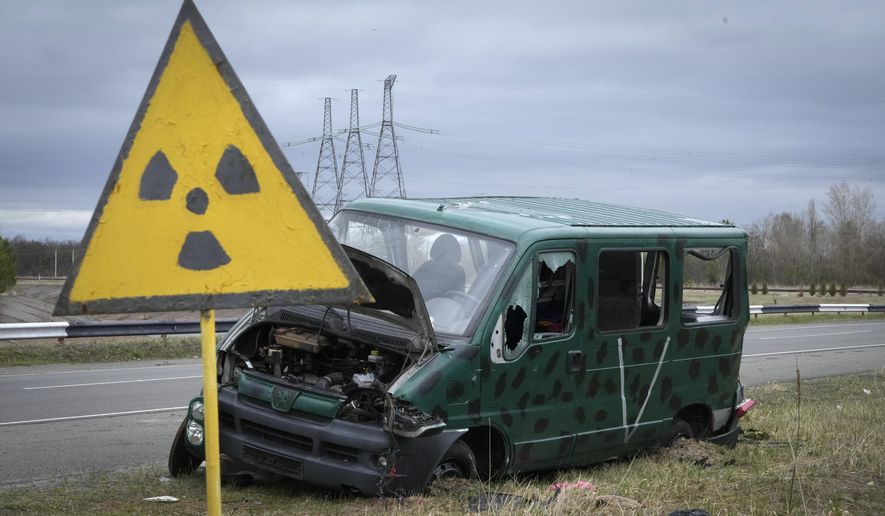
The U.S. Nuclear Regulatory Commission is moving to scrap a 50-year-old radiation safety rule called ALARA — which stands for "as low as reasonably achievable" — according to KCRA. The proposal would replace it with a new "graded approach" that sets firm dose limits for workers instead of pushing facilities to minimize exposure as much as possible.
The timing is striking. The rule change comes as President Donald Trump pushes to quadruple U.S. nuclear energy production, driven by surging electricity demand and a boom in data centers and artificial intelligence, WMUR reported. The NRC expects to finalize the new rule in the coming months.
What ALARA Is and Why It Matters
ALARA has guided radiation safety at nuclear plants, hospitals, and universities for five decades. It requires facilities that use radioactive materials to keep worker and public radiation exposure as low as reasonably possible — not just below a legal limit, but as low as they can get it, according to KCCI.
The rule is not just an American standard. It has been used globally for 50 years and is a cornerstone of international radiation protection policy, KMBC reported. Critics of the proposal argue that removing it weakens a fundamental layer of safety that goes beyond mere compliance with dose limits.
How the New "Graded Approach" Would Work
Under the NRC's proposed system, radiation protection requirements would be tied to how much exposure a worker might actually receive. Facilities with higher potential doses would face stricter rules. Those with lower risks would face lighter requirements, according to WAPT.
The NRC says this approach is more flexible and easier to follow. Supporters argue it still protects workers because it enforces hard dose limits. But the key shift is this: facilities would no longer be required to go beyond those limits in search of lower exposure, WGAL reported.
Trump's Nuclear Push Drives Regulatory Overhaul
President Trump has made nuclear energy a centerpiece of his energy agenda. His administration wants to quadruple domestic nuclear power production to meet electricity demand from AI data centers and other high-power industries, according to 4029TV.
That goal requires building new reactors and expanding existing ones quickly. Regulatory speed bumps — including complex safety rules — have long slowed nuclear projects. The ALARA rollback fits a broader pattern of the Trump administration cutting rules it sees as barriers to energy expansion, KCRA reported.
Safety Experts Warn Against Weakening the Standard
Radiation safety advocates say ALARA works precisely because it does not allow complacency. Even exposures below legal limits carry some risk. The principle forces facilities to keep asking: can we do better? Replacing it with a pass-or-fail dose limit removes that ongoing pressure, according to KMBC.
The rule affects a wide range of institutions — not just nuclear power plants, but also hospitals using radioactive tracers and university labs conducting research. Critics say relaxing the standard in all those settings at once, right as the nuclear industry is set to grow rapidly, raises serious public health concerns, WGAL reported.
Sentiment
NeutralNEGATIVENEUTRALPOSITIVE
Publishers
10
Articles
190
Reach
200
Topics
A
AnonymousAuthor


