Border Traffic Surge
US Naval Blockade Forces Iran to Route Trade Through Overland Borders
Anonymous
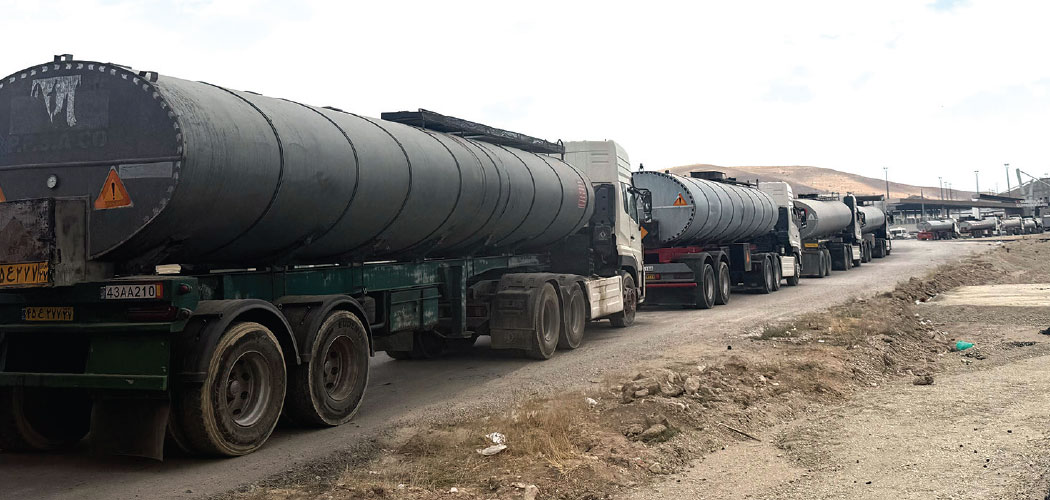
The U.S. naval blockade of Iranian ports has disrupted maritime trade, pushing Tehran to route more imports and exports through neighboring countries, especially Turkey and Pakistan. At the Gürbulak–Bazargan crossing, the surge in truck traffic has produced long queues and sharply longer waits, straining drivers, customs officials and border infrastructure. Iran’s government is pressing to expand overland commerce, but experts say land routes cannot replace the scale of sea transport, which previously carried most of the country’s trade. The delays and added fuel, maintenance and equipment costs are also putting financial pressure on truckers.
Key Points
1
Turkish transporters’ data showed waiting times at Gürbulak had quadrupled since the war began. Iranian official Amir Roshanbakhsh Ghanbari said trucks waiting at the border had increased from 200 to 1,200; waits on the Iranian side reached 12 to 25 days during the past month.
2
Iranian truck driver Muhammed Rıza Shiri told the AP he had waited four days to carry rubber into Iran, at the end of a seven-kilometer queue. He said waits that once topped out at three days now exceeded five days.
3
Iran says it will not change its negotiating stance under the pressure. Tehran has also said it wants the U.S. blockade ended before allowing commercial shipping to resume through the Strait of Hormuz.
4
Turkish and Iranian officials had already discussed rising traffic and waits at Gürbulak-Bazargan in August, including using TIR Carnets and the electronic TIR system to speed up transit.
Sentiment
Mostly NegativeNEGATIVENEUTRALPOSITIVE
Publishers
20
Articles
111
Reach
131
A
AnonymousAuthor


