California Minimum Wage Increase
California's Minimum Wage Will Rise to $17.40 by 2027, Keeping Nation's Highest Rate.
Anonymous
Key Points
1
The 2027 statewide increase is automatically tied to inflation using the CPI-U and cannot be negative, with a maximum rise of 3.5% in any given year.
2
Even with the statewide bump, localities in the Bay Area (cities and counties) can set higher minimum wages, and employers must comply with the higher local rate when applicable.
3
Fast-food workers and some healthcare workers remain covered by higher, industry-specific minimums—fast-food workers have earned at least $20/hour since 2024, while healthcare minimums vary by facility.
4
Newsom framed the increase as a sharp contrast to the federal wage, criticizing President Trump and signaling a potential bid for the presidency in 2028.
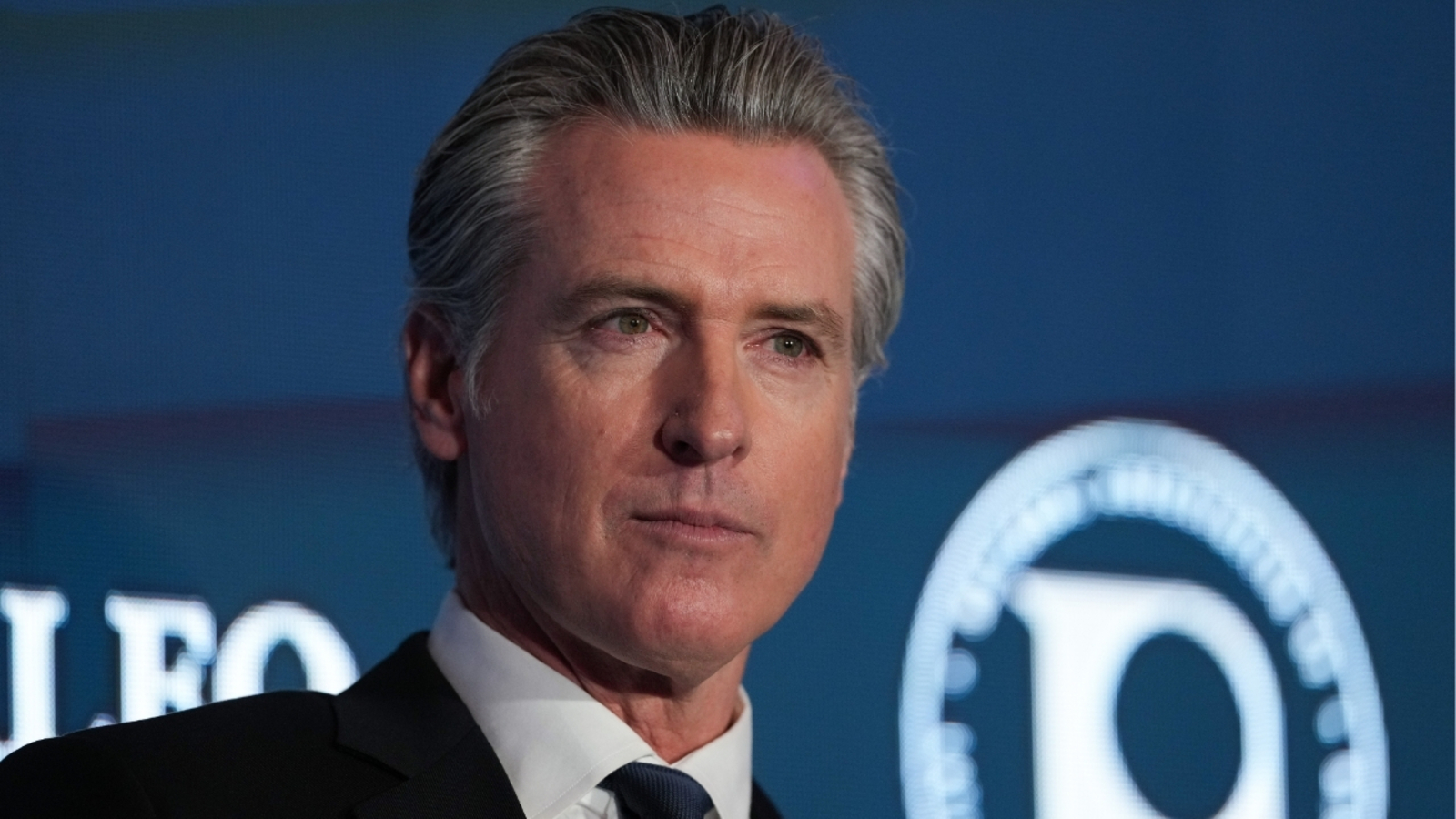
California will raise its statewide minimum wage to $17.40 per hour on January 1, 2027, keeping the state at the top of the nation for worker pay. The 50-cent bump from the current $16.90 was announced by Governor Gavin Newsom, who called it a win for working families, according to Los Angeles Times.
The increase is automatic under California law. It is tied to inflation using a federal price index called the CPI-U. The rate can rise as much as 3.5% in a year but can never go down, according to MyMotherLode.
How the $17.40 Rate Stacks Up Nationally
No other state sets a higher statewide minimum wage than California. The federal minimum wage sits at just $7.25 per hour — less than half of what California workers will earn in 2027. Newsom used the gap to take a direct shot at Washington. He criticized President Trump and Republicans for leaving that federal rate unchanged, according to Los Angeles Times.
The $17.40 figure is just the floor. Many California workers already earn more. Local rules in Bay Area cities and counties can set higher rates. Employers must always pay the higher of the state or local minimum, according to Hoodline.
Fast-Food and Healthcare Workers Already Earn More
Some California workers cleared the $17.40 mark years ago. Fast-food workers have earned at least $20 per hour since 2024 under a separate industry rule. That rate covers chains like McDonald's and Chipotle. Healthcare workers also have their own minimums, which vary depending on the type of facility, according to Los Angeles Times.
For those workers, the statewide bump to $17.40 changes nothing directly. But it raises the baseline for the millions of California workers not covered by those special rules. Retail workers, office staff, and other employees will feel the difference most, according to MyMotherLode.
Business Groups Warn of Higher Prices and Job Cuts
Not everyone welcomed the news. Some Republicans and small business owners pushed back hard. Critics argued that higher labor costs force businesses to raise prices or cut hours. Some warned the increase could lead to layoffs, especially at small companies with thin profit margins, according to FOX LA.
Supporters say those fears are overstated. They point to California's track record of raising wages without causing widespread job loss. They argue higher pay puts more money in workers' pockets, which then gets spent locally and helps the broader economy, according to CBS 8.
Newsom Eyes 2028 as He Champions Worker Pay
Newsom did not just announce a wage hike — he used it as a political platform. He framed California's move as a direct contrast to what he called Republican indifference toward workers. Political observers noted his sharp rhetoric fits the profile of a candidate testing presidential messaging ahead of 2028, according to Los Angeles Times.
The governor has not declared a presidential run. But the announcement gave him a national stage. Wage policy, long a local issue, is now part of a bigger fight over which party stands up for everyday workers. California's $17.40 rate keeps that argument alive through at least the next election cycle, according to Hoodline.
Sentiment
Mostly NegativeNEGATIVENEUTRALPOSITIVE
Publishers
15
Articles
21
Reach
36
Topics
A
AnonymousAuthor


