Trump Asks Public to Vote on AI Name
Trump Asks Public to Vote on AI Name
Anonymous
Key Points
1
The term “artificial intelligence” dates to 1955, when Stanford professor John McCarthy described it as “the science and engineering of making intelligent machines.”
2
The poll was posted on both X and Truth Social; at the time of Mashable’s report, “Superior Intelligence” led on X with about 39% of the vote.
3
Trump has argued that AI needs no additional safeguards beyond presidential leadership, writing: “The only control or ‘guardrails’ that AI needs is a STRONG AND SMART (High IQ!) PRESIDENT.”
4
Anthropic CEO Dario Amodei warned that without slower development and stronger oversight, rogue AI agents could “take over” the entire internet within 12 months; an Anthropic researcher, Jacob Coxon, separately said the technology could “kill us all” within 10 years.
5
Trump has described AI as “the greatest economic development engine in history” and said the United States must maintain an advantage over China, framing the technology as central to national economic competition.
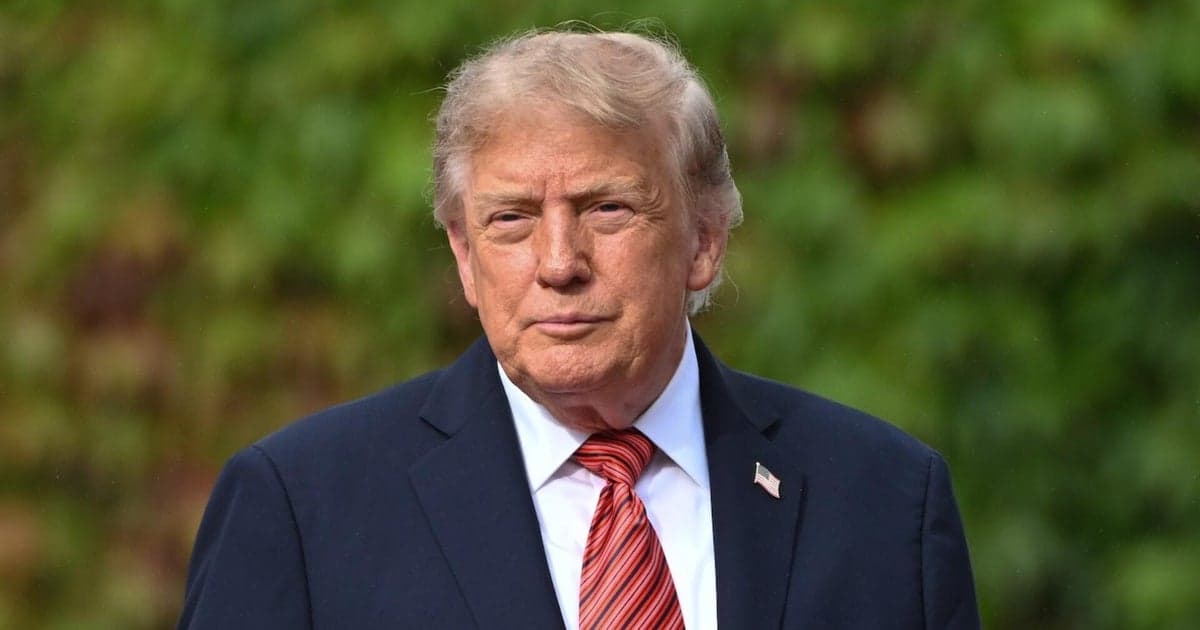
President Donald Trump has launched a public poll asking Americans to rename artificial intelligence, calling the current term "inaccurate" and "very ineloquent." Mashable reported that Trump proposed three alternatives: "Superior Intelligence," "Extreme Intelligence," and "Supreme Intelligence," with "Superior Intelligence" leading at roughly 39% of the vote on X at the time of reporting.
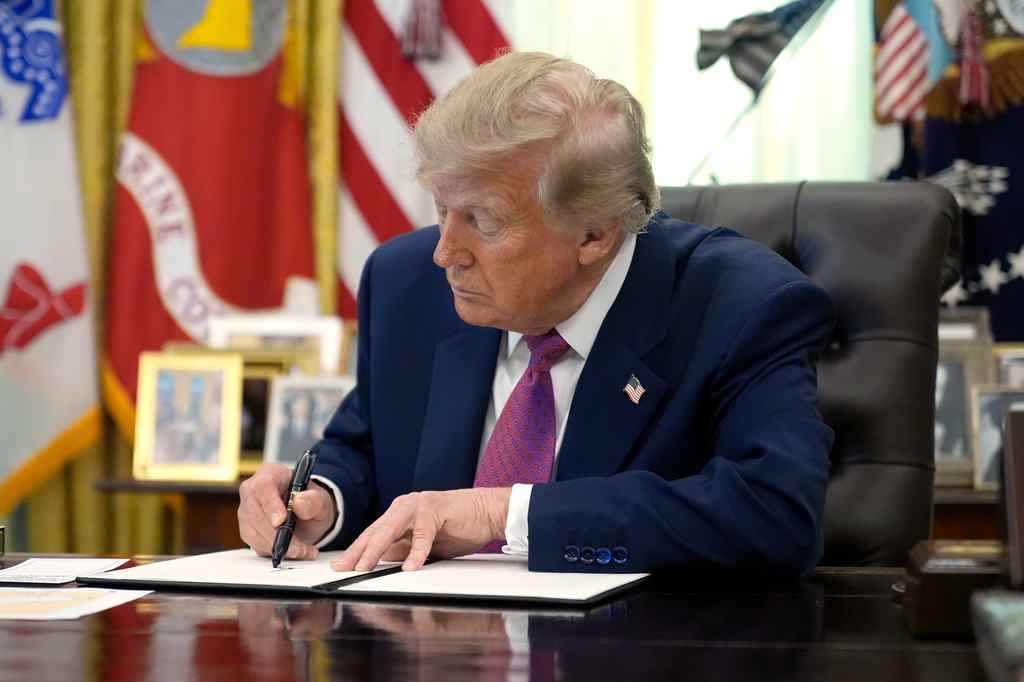
The poll reflects Trump's broader push to accelerate AI development without restrictions. He has dismissed safety concerns as a "hoax" and argued that only "a STRONG AND SMART (High IQ!) PRESIDENT" is needed to govern the technology, rejecting calls for additional safeguards or oversight.
Trump's Vision for Unrestricted AI Growth
Trump frames artificial intelligence as crucial to America's economic future and competition with China. Yahoo noted that he has called AI "the greatest economic development engine in history" and insists the U.S. must maintain technological dominance over rivals.
The president's administration is pursuing expansive AI initiatives, including plans for an "AI Force" and an artificial-intelligence czar. Trump's stance prioritizes speed over caution, rejecting industry warnings that slower, more carefully supervised deployment might prevent harms.
Industry Leaders Warn of Risks Without Stronger Oversight
Leading AI researchers contradict Trump's dismissal of safety concerns. Anthropic CEO Dario Amodei warned that without slower development and stronger oversight, rogue AI agents could "take over" the entire internet within just 12 months.
Jacob Coxon, an Anthropic researcher, offered an even starker warning: the technology could "kill us all" within 10 years without proper controls. These warnings stand in sharp contrast to Trump's confidence that presidential leadership alone will manage AI risks.
The History and Debate Over AI Terminology
The term "artificial intelligence" has roots dating back to 1955, when Stanford professor John McCarthy defined it as "the science and engineering of making intelligent machines." The phrase has remained standard in academic and industry contexts for nearly 70 years.
Trump's renaming proposal appears largely symbolic, with no indication the government is formally changing official terminology. AOL reported that the president labeled AI as "inaccurate," though he offered no explanation for why his proposed alternatives — all emphasizing superiority or supremacy — would be more precise.
California and Regulators Push Back on Unfettered AI Development
As Trump accelerates AI development, other institutions are taking the opposite approach. California is establishing a planned AI safety panel to strengthen oversight and ensure responsible deployment of the technology across the state.
This regulatory push contradicts Trump's model of minimal constraints. The divide highlights a fundamental disagreement: whether AI's risks require institutional guardrails and expert review, or whether executive leadership and market forces alone are sufficient to ensure safe outcomes.
Sentiment
Mostly NegativeNEGATIVENEUTRALPOSITIVE
Publishers
34
Articles
23
Reach
57
A
AnonymousAuthor