U.S. Hosts G20 Energy Talks Amid Fuel Shock
U.S. Hosts G20 Energy Talks Amid Fuel Shock
Anonymous
Key Points
1
The conflict has disrupted key energy routes and infrastructure: Iranian forces have restricted transit through the Strait of Hormuz, while drone strikes temporarily affected Saudi Arabia’s East-West pipeline; global crude prices have consequently risen above $100 per barrel.
2
President Donald Trump has claimed that the war with Iran would end “immediately” after the November midterm elections, linking the conflict directly to domestic political concerns.
3
Trump has also criticized Ukrainian President Volodymyr Zelensky over strikes on Russian refineries, blaming those attacks for contributing to diesel shortages in the United States.
4
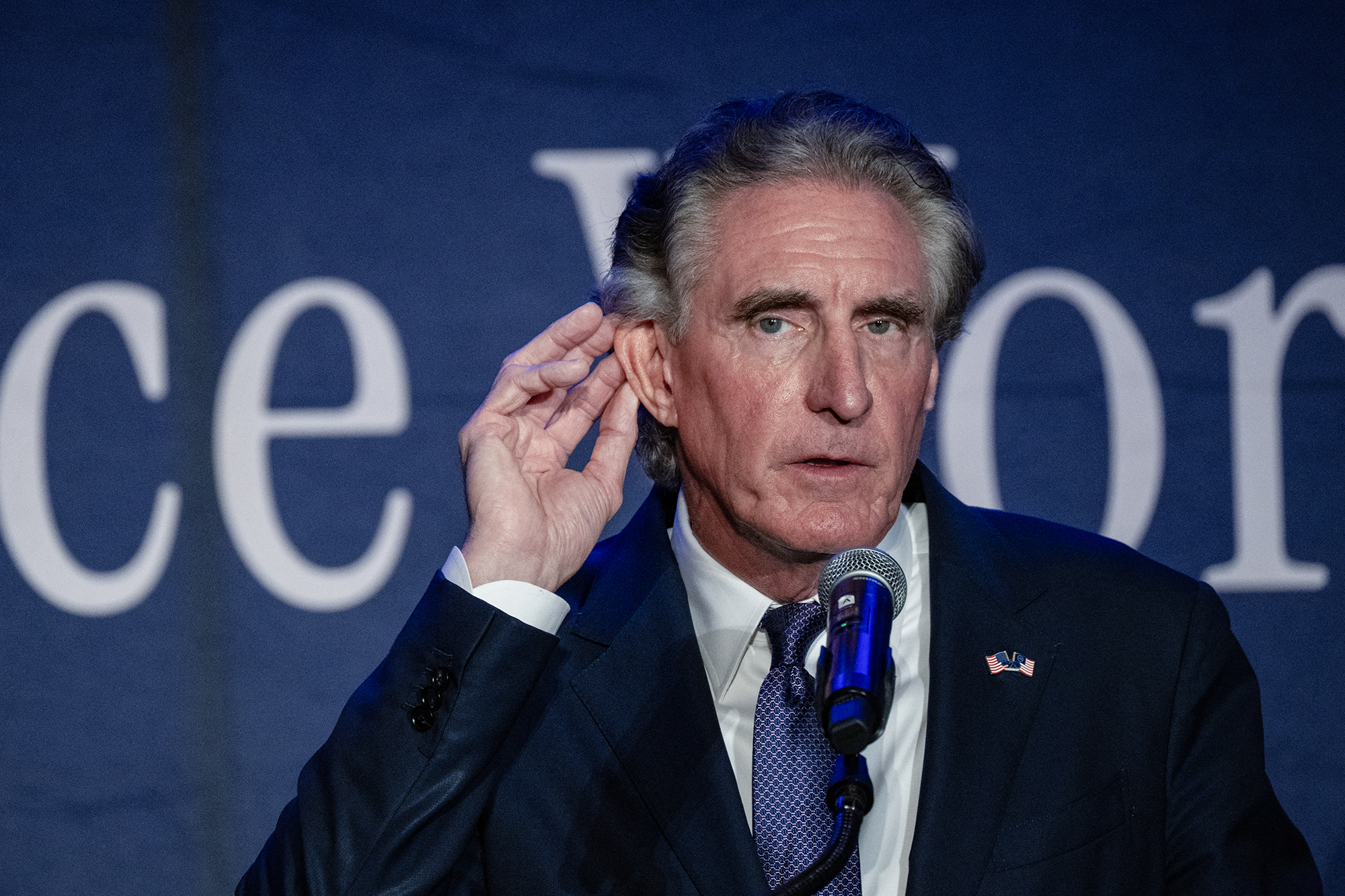
The Houston ministerial is co-led by Energy Secretary Chris Wright, Interior Secretary Doug Burgum and White House officials, with working sessions emphasizing technology-neutral infrastructure development in addition to affordable baseload power, permitting and critical minerals.
The United States opened a three-day G20 energy summit in Houston as global fuel prices spike from Middle East conflict. Politico reports the meeting focuses on "energy abundance" and affordable power, but divisions run deep between nations competing for oil and gas. U.S. diesel hit a record $6.20 per gallon, while gasoline costs 44 percent more than before the Iran crisis, putting domestic political pressure on President Trump ahead of midterm elections.
Major economies including China, India, Japan, Germany, and Saudi Arabia are attending as Iran restricts shipping through the Strait of Hormuz and drone strikes disrupt Saudi pipelines. Crude oil has climbed above $100 per barrel. But Russia's invitation sparked controversy—European allies argue it undermines sanctions over Ukraine, creating tension at the table.
Iran Conflict Sends Energy Markets Into Shock
Iranian forces have restricted transit through the Strait of Hormuz, a critical chokepoint for global oil. Drone strikes also temporarily hit Saudi Arabia's East-West pipeline. These disruptions sent crude prices above $100 per barrel. U.S. diesel now averages $6.20 per gallon—an all-time high. Regular gasoline costs 44 percent more than before the conflict began.
Europe faces particular pain. Winter is coming, and nations need to refill gas storage tanks. Supply cuts make that goal harder and more expensive. The timing couldn't be worse politically. Households already struggling with energy bills will face steeper prices as temperatures drop.
Trump Ties War Ending to Midterm Election Victory
President Trump said the conflict with Iran would end "immediately" after November's midterm elections. He linked the war directly to domestic politics, suggesting resolution depends on electoral outcomes. This statement raises questions about whether diplomatic efforts or military needs will shape U.S. strategy.
Trump has also blamed Ukrainian strikes on Russian refineries for U.S. diesel shortages. He criticized President Zelensky for these attacks, suggesting Ukraine's actions harm American gas prices. The criticism adds friction to the already-strained U.S.-Ukraine relationship during the conflict.
Houston Meeting Exposes Deep Global Divisions
Politico reported that the G20 summit revealed major fault lines. The Trump administration uses the conference as a sales pitch for exporting more fuel to allies. European nations want different priorities—reliable supplies without geopolitical conflicts. The gap between U.S. export goals and European energy security concerns shapes every discussion.
Energy Secretary Chris Wright and Interior Secretary Doug Burgess co-lead the meeting. Sessions focus on technology-neutral infrastructure, affordable baseload power, faster permitting, and critical-mineral supply chains. The agenda aims at long-term solutions, but short-term energy shocks dominate the room.
Russia's Seat at the Table Strains Western Unity
Moscow's invitation triggered immediate backlash from European allies. They argue Russia's attendance undermines sanctions over the Ukraine war. Including Russia signals weakness to allies already worried about U.S. commitment to Ukraine and NATO. The diplomatic friction hints at deeper fractures within the Western alliance.
Sentiment
Mostly NegativeNEGATIVENEUTRALPOSITIVE
Publishers
15
Articles
57
Reach
72
A
AnonymousAuthor


