Rising Global Fuel Prices
Escalating Geopolitical Tensions and Supply Disruptions Drive Sharp Surge in Fuel Prices
Anonymous
Key Points
1
GasBuddy said the latest price shock was compounded by friction between the United States and Iran, new hostilities in the Red Sea, the shutdown of Saudi Arabia’s East-West pipeline and attacks that knocked two more Russian refineries offline. Analyst Patrick De Haan warned diesel prices could rise even faster than gasoline prices.
2
Florida’s most expensive metro markets were West Palm Beach–Boca Raton at $4.30 per gallon, Gainesville at $4.21 and Naples at $4.19; the least expensive were Panama City and Pensacola at $3.97, followed by Crestview–Fort Walton Beach at $3.98.
3
U.S. crude oil has risen nearly 20% in two weeks, from about $83 to above $100 per barrel. Because crude accounts for more than half of the retail gasoline price, Florida’s normal early-week price-cycle peak has shifted higher, and the state average could reach $4.19 if oil remains elevated.
4
The GTA’s projected rebound to 186.9 cents per litre would leave prices near earlier levels and still above the highs recorded in June, July and August, despite the brief decline associated with the switch to winter gasoline blends.
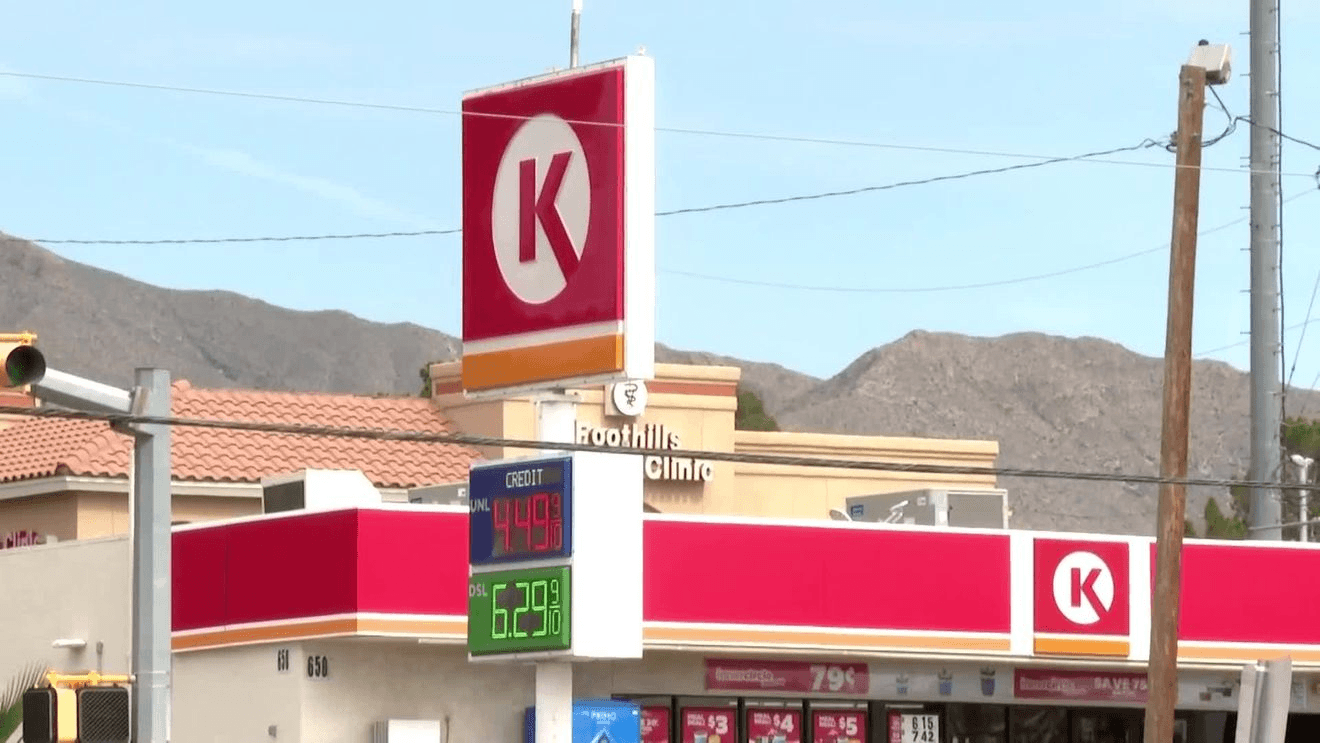
Gasoline prices across the U.S. and Canada are spiking sharply as Middle East tensions and attacks on energy infrastructure tighten global fuel supplies. GasBuddy reports that Green Bay's average jumped 46 cents in one week to $4.17 per gallon, while Florida hit $4.14—its highest level since June 1. U.S. diesel prices climbed to a record $6.18 per gallon nationally, with analysts warning that prices could rise further if crude oil stays above $100 per barrel.
The price shock stems from multiple supply disruptions: friction between the U.S. and Iran, Red Sea hostilities, Saudi Arabia's shutdown of its East-West pipeline after drone strikes, and Russian refinery attacks that knocked two facilities offline. In Canada's Greater Toronto Area, prices are expected to rebound to 186.9 cents per litre after a brief dip from the seasonal switch to winter gasoline blends.
Crude Oil Surges Nearly 20 Percent in Two Weeks
U.S. crude oil has risen sharply from about $83 to above $100 per barrel in just two weeks. Since crude accounts for more than half of the retail gasoline price, this jump directly pushes prices at the pump higher. GasBuddy analyst Patrick De Haan warned that diesel prices could rise even faster than gasoline, noting that higher diesel costs immediately affect trucking, agriculture, and grocery deliveries.
Middle East Tensions Choke Off Global Oil Supply
Escalating geopolitical conflicts have disrupted two critical energy corridors. The Strait of Hormuz—which normally moves about 20 percent of global crude supply—faces friction between the U.S. and Iran. When that passage tightened, Saudi Arabia's 745-mile East-West pipeline became the main alternate route, moving roughly 5 million barrels per day to the Red Sea. But on September 10, drone attacks from Iraqi militias struck that pipeline, forcing Saudi Arabia to shut it down as a precautionary measure.
Houthi forces simultaneously seized Perim Island in the Bab al-Mandeb Strait, the second critical chokepoint for Middle Eastern oil headed to global markets. With both transit routes now disrupted or threatened, crude supplies tighten. Additionally, Ukrainian drone strikes knocked two major Russian refineries offline in early September, and Russia extended its overseas fuel export ban through month's end, removing more supply from the global market.
Florida Metro Areas Show Dramatic Price Variation
Florida's most expensive gasoline markets reveal sharp regional differences. West Palm Beach–Boca Raton drivers pay $4.30 per gallon, Gainesville pays $4.21, and Naples pays $4.19. By contrast, Panama City and Pensacola offer the cheapest prices in the state at $3.97 per gallon, while Crestview–Fort Walton Beach sits at $3.98. CBS News reported that South Florida drivers are changing daily routines and reducing trips due to the high costs, with half of drivers in the region adjusting travel habits.
Diesel Records and Winter Heating Oil Risks Ahead
National diesel prices hit a record $6.18 per gallon, a shock that will ripple through supply chains and inflation. Diesel powers roughly 75 percent of farm machinery and nearly all commercial freight trucks, so record prices will immediately lift costs for food, agriculture, and consumer goods entering the autumn harvest season. In Canada's Greater Toronto Area, the brief respite from switching to cheaper winter-blend gasoline is already reversing, with prices expected to climb back to 186.9 cents per litre—higher than summer peaks despite the seasonal discount.
Heading into winter, about 5 million Northeast U.S. homes that rely on heating oil face severe cost increases. August 2026 Labor Department data showed gasoline prices rose 3.9 percent from July and 27.4 percent year-over-year, accounting for more than one-third of that month's inflation increase—all while real hourly earnings declined, squeezing household budgets further.
Sentiment
Mostly PositiveNEGATIVENEUTRALPOSITIVE
Publishers
64
Articles
77
Reach
141
A
AnonymousAuthor


