Widespread Soil Microplastics
EU Research Project Finds Microplastics in Every Tested Farm Field Across Europe
Anonymous
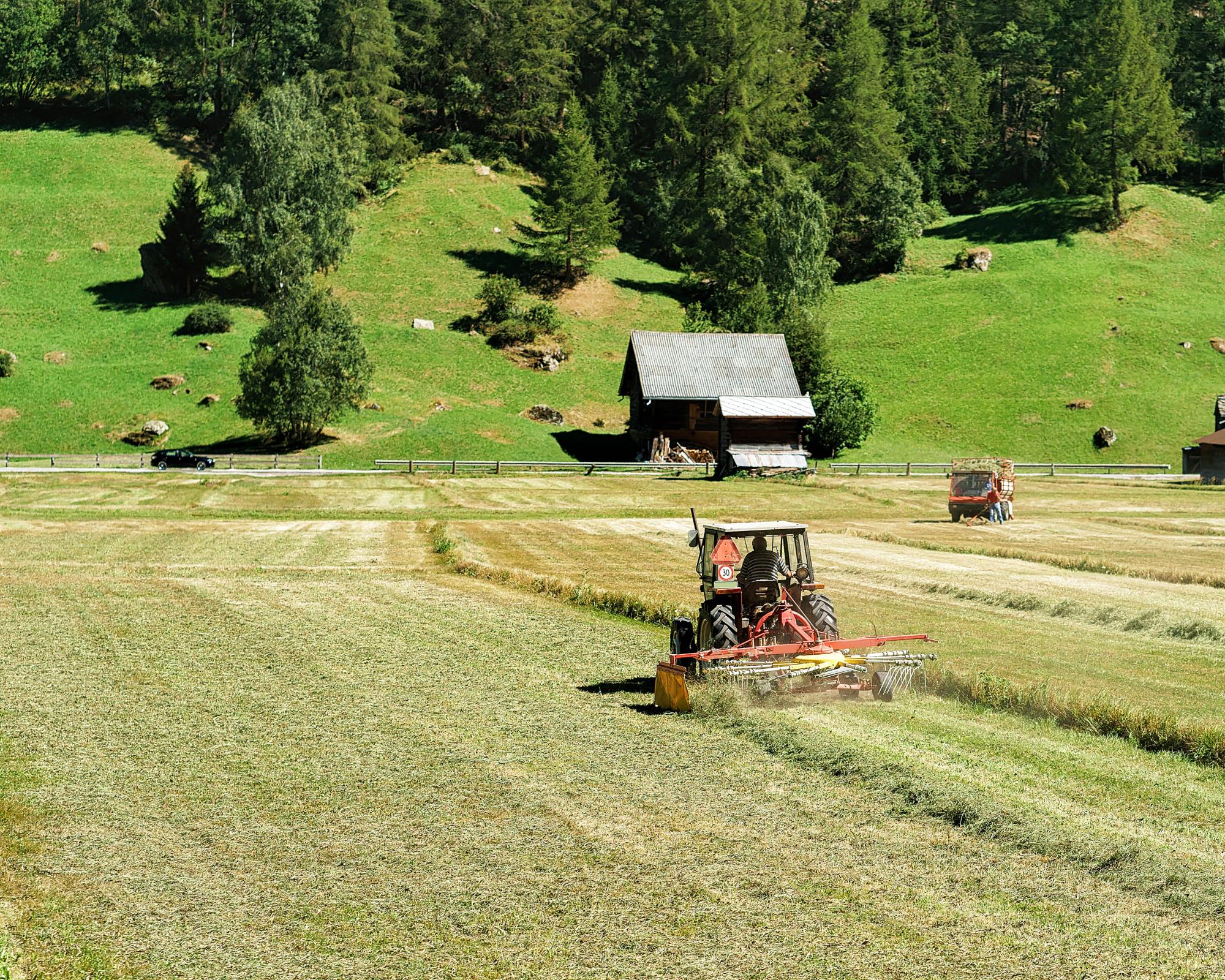
A five-year, EU-funded research project found microplastics in all 227 agricultural fields tested across 11 European countries, indicating that plastic pollution persists in soils through both current farming practices and historical land use. The particles can absorb pollutants, microbes and DNA, creating a “Trojan horse” that transports pesticides, toxic chemicals, pathogens and antibiotic-resistance genes through farmland. Plastic surfaces also form microbial habitats known as plastispheres, where antibiotic-resistance genes increased relative to controls and appeared to be amplified by pesticides; fields with more tyre-wear particles also contained higher levels of other contaminants and metals. The contamination can disrupt earthworms and other organisms that support nutrient cycling and healthy soil microbiomes, while experiments found that microplastics impair crop growth and intensify the effects of drought. Researchers cautioned that biodegradable plastics are not a guaranteed solution because they can also fragment and remain in soil, potentially carrying agrochemicals and altering ecosystems.
Key Points
1
The MINAGRIS project had produced 22 peer-reviewed studies and brought together 20 partners organized into eight work packages, combining field sampling, laboratory analysis, experiments and modeling of plastic transport and degradation.
2
In lettuce experiments, higher microplastic concentrations reduced leaf area, chlorophyll content, photosynthetic efficiency and overall plant biomass; these specific impairments worsened when plants were also exposed to drought.
3
Researchers emphasized that the problem extends beyond contamination itself because healthy agricultural soils support food security, water retention, nutrient cycling and biodiversity across Europe.
4
The project’s findings were presented at a Brussels conference on Sept. 16, marking the conclusion of the five-year MINAGRIS research effort.
5
Researchers described the contamination as a potential global threat because agricultural soils are foundational to terrestrial life, not merely a localized European farming concern.
Sentiment
Mostly NegativeNEGATIVENEUTRALPOSITIVE
Publishers
5
Articles
5
Reach
10
Topics
A
AnonymousAuthor


