Widespread Maharashtra Drought Declaration
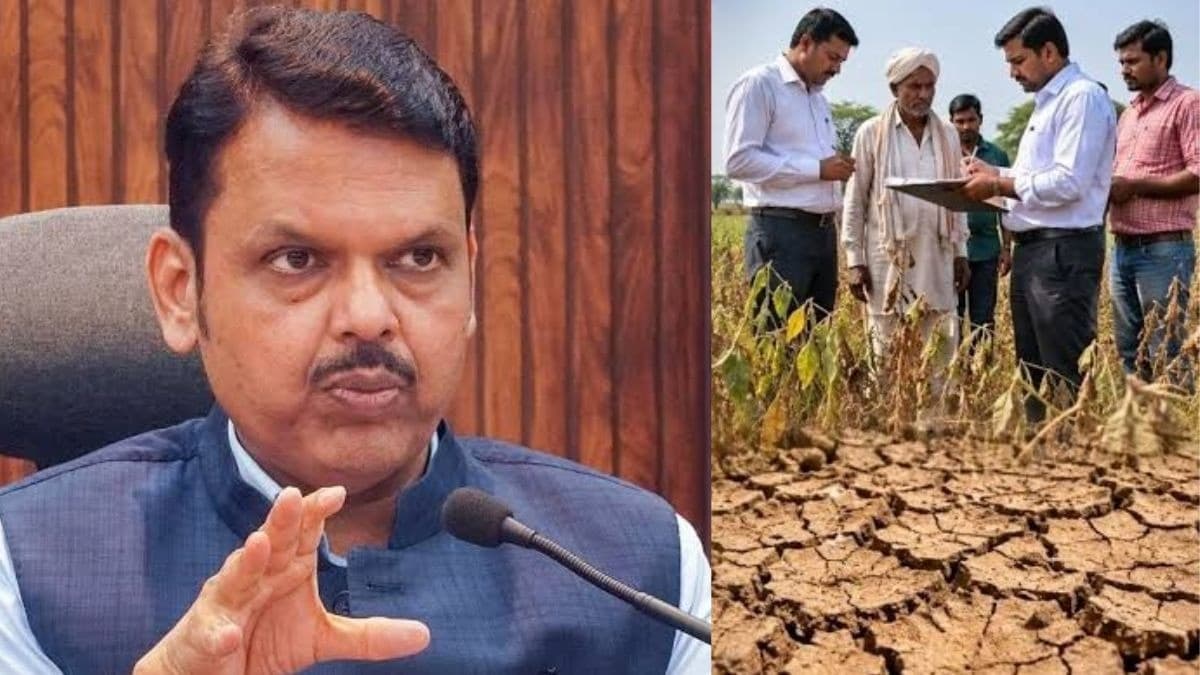
Maharashtra declares widespread drought across 265 talukas following severe monsoon rainfall deficits.
Anonymous
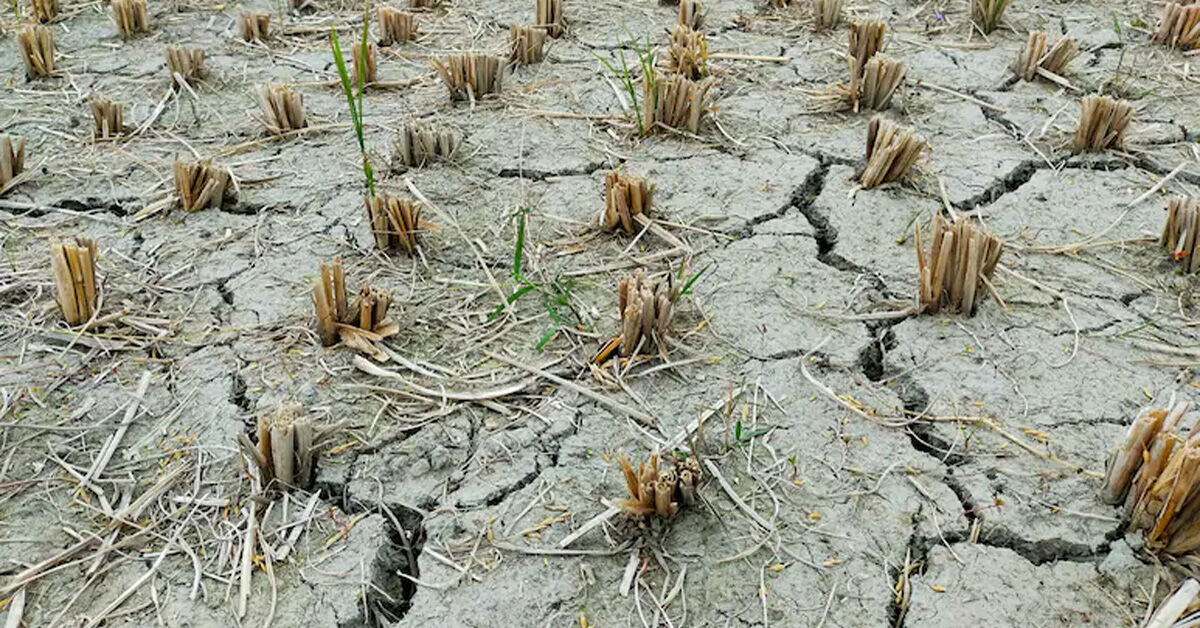
Maharashtra has declared drought conditions in 265 talukas across 34 districts—about three-quarters of the state—after deficient rainfall and other indicators triggered the first stage of its drought-management framework. The state received 18.8% less rain than average through September 18, with larger deficits in several divisions and reports of crop losses, falling well levels and pressure on drinking water and livestock fodder. Authorities have been ordered to inspect crops and document damage, while relief measures include land-revenue concessions, crop-loan restructuring and recovery moratoriums, reduced electricity bills for agricultural pumps, waived student examination fees, expanded employment-guarantee work, water tankers and fodder and foodgrain arrangements. State leaders and opposition figures are also visiting affected areas as farmers seek compensation and drought relief; broader concerns include water scarcity and the region’s capacity to meet household, agricultural and livestock needs.
Key Points
1
District officials are to record surveyed fields with photographs and GPS coordinates, prepare panchnamas and submit their findings through the agriculture commissioner.
2
Rainfall shortfalls varied sharply by region: the Chhatrapati Sambhajinagar division was 30.8% below normal, while Pune and Nashik were each about 30% below normal; the report also linked the state’s overall 18.8% deficit to El Niño.
3
Farmers in several districts protested on September 16, demanding drought relief and compensation for crop losses; farmers also reported increased pest and disease damage to kharif crops.
4
A separate report said Marathwada reservoir storage had fallen to about 46% by September, tightening the region’s water margin ahead of the rabi season; it also noted Maharashtra has faced drought-like or drought conditions several times in the past 12 years.
Sentiment
Mostly NegativeNEGATIVENEUTRALPOSITIVE
Publishers
35
Articles
67
Reach
102
Topics
A
AnonymousAuthor