iPhone 18 Pro vs Samsung
Apple iPhone 18 Pro Debuts With 2nm Chip to Battle Samsung Galaxy S27 Ultra
Anonymous
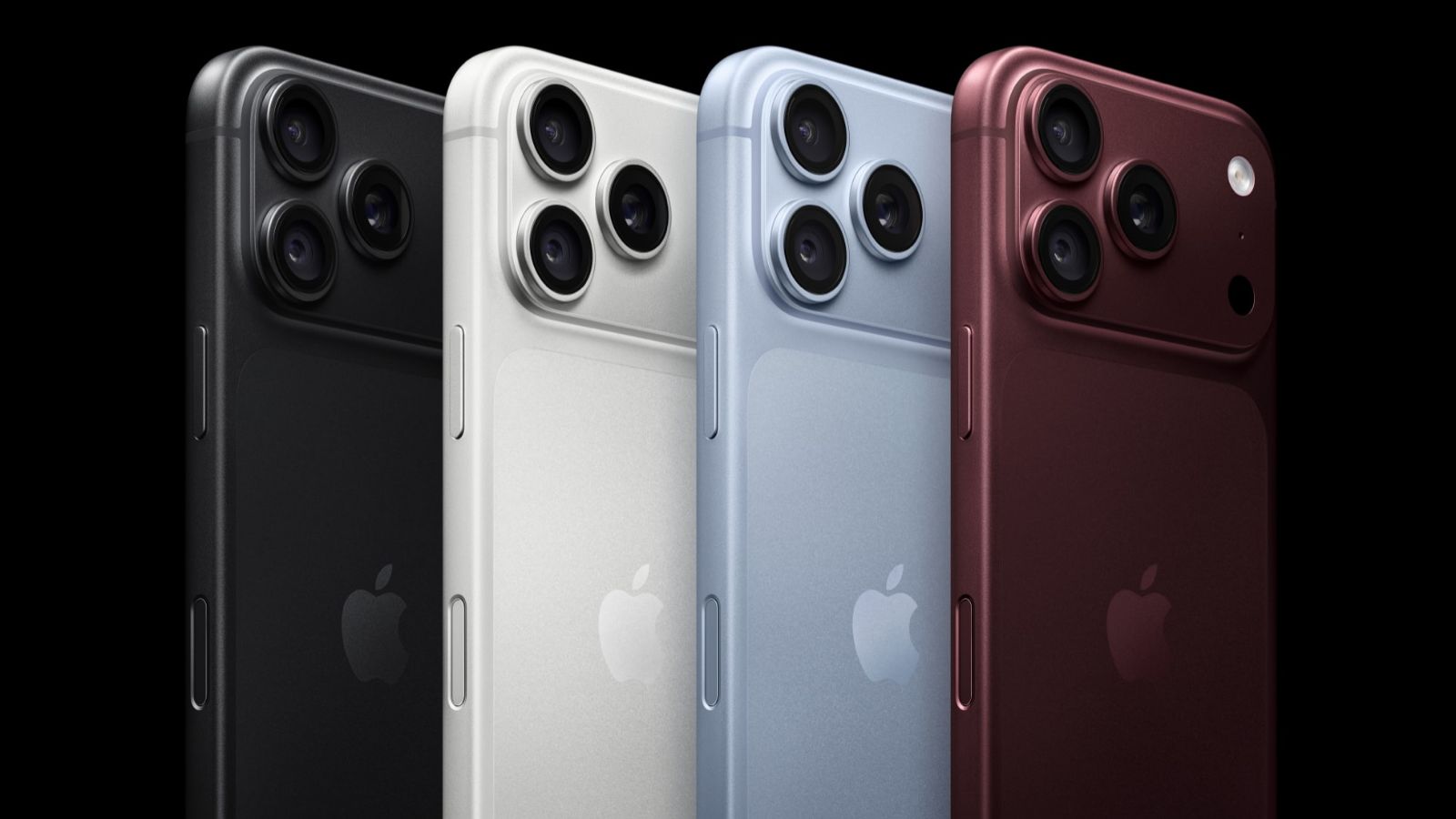
Key Points
1
The iPhone 18 Pro Max’s mechanical variable-aperture system enables natural optical focus falloff, reducing reliance on software-generated Portrait-mode blur and bringing the phone closer to dedicated-camera control.
2
The wider f/1.48 aperture is expected to improve low-light photography by allowing faster shutter speeds, reducing motion blur and helping keep image noise out of darker areas.
3
In Geekbench 6 testing, the iPhone 18 Pro recorded scores of 4,735 in single-core performance and 12,800 in multi-core performance, while the Pro Max posted similar results—evidence of the A20 Pro’s large CPU-generation gains.
4
Apple’s release strategy is expected to keep the Pro models as the main sellers through the holiday season, with the non-Pro iPhone 18 models potentially launching in spring and overtaking Pro demand only around February or March.
5
A PhoneArena poll found that 27% of respondents identified the Galaxy S27 Ultra’s S Pen as their main reason to buy it, roughly matching the share choosing performance; the article argues the stylus is Samsung’s most distinctive feature against rivals such as the iPhone and Pixel.
Apple's iPhone 18 Pro and Pro Max are challenging Samsung's Galaxy S27 Ultra for smartphone supremacy, armed with a breakthrough 2nm A20 Pro chip and a mechanical variable-aperture camera system. The iPhone 18 Pro starts at $1,199 and posts Geekbench 6 scores of 4,735 single-core and 12,800 multi-core—far ahead of the Galaxy S26 Ultra's 3,785 and 11,563, according to PhoneArena.
Yet Samsung's stylus remains a potent weapon. A PhoneArena poll found 27% of buyers cite the S Pen as their main reason to switch to the Galaxy S27 Ultra, nearly matching the 28% who prioritize raw processing speed. Apple's delayed launch of base iPhone 18 models until spring 2027 means the Pro line will dominate holiday sales—but Android rivals offer aggressive charging speeds, bigger batteries, and lower prices.
Apple's 2nm Chip Delivers Raw Power Gains
The A20 Pro is Apple's first processor built on a 2nm manufacturing process, a jump from the previous 3nm node. According to PhoneArena, this yields "a major leap compared to previous processors" in both speed and efficiency. The iPhone 18 Pro Max recorded nearly identical benchmark performance to the standard Pro—evidence the A20 Pro's gains translate across both models with minimal variance.
Apple claims a "massive 40% jump in GPU speeds in just one year," driven by the denser transistor layout. The gap over Android rivals is wide: the iPhone 18 Pro outpaces the Galaxy S26 Ultra by 950 single-core points and 1,237 multi-core points in Geekbench 6 testing. However, PhoneArena notes that AI workflow improvements remain "less dramatic"—daily tasks feel incremental.
Variable Aperture Camera Mimics DSLR Depth Control
The iPhone 18 Pro Max introduces a mechanical variable-aperture system that shifts the main lens from f/1.5 to f/4.0 using physical hardware instead of software tricks. This enables natural optical bokeh—the blurred background in portrait shots—without relying on artificial Portrait Mode algorithms. The wider f/1.48 aperture on the main 48MP camera improves low-light photography by allowing faster shutter speeds and reducing motion blur.
By mimicking professional camera mechanics, Apple pushes smartphone photography closer to DSLR and mirrorless workflows. The variable aperture also keeps image noise out of darker areas by collecting more light. This hardware-first approach differentiates the iPhone 18 Pro Max from competitors who rely on computational photography and multiple sensor arrays.
Samsung's S Pen Holds Buyers Nearly Equal to Speed
Samsung's Galaxy S27 Ultra leans heavily on its integrated stylus as a productivity differentiator. A PhoneArena survey found 27% of respondents ranked the S Pen as their top reason to buy the device—nearly matching the 28% who cited performance as the primary motivation. The stylus enables handwriting, note-taking, sketching, and menu shortcuts that iOS users cannot replicate.
This represents Samsung's most distinctive hardware advantage over the iPhone and Google's Pixel 11 Pro XL. While Apple dominates synthetic benchmarks, Samsung competes on versatility and workflow integration. The S Pen appeals to professionals and creatives—a niche but loyal audience willing to choose the Galaxy S27 Ultra for productivity features alone, regardless of CPU performance gaps.
Apple's Spring Launch Strategy Leaves Holiday Gap
Apple plans to keep the iPhone 18 Pro and Pro Max as the primary sellers through the holiday season. The non-Pro iPhone 18 models are expected to launch in spring 2027, potentially overtaking Pro demand only around February or March. This staggered release maximizes profit per unit—high-margin Pro devices sell now, base models follow later to capture price-sensitive buyers.
The tactic creates a temporary vacuum for budget-conscious shoppers. Discounted iPhone 17 Pro inventory and competing Android flagships from Samsung, Google, Xiaomi, and OnePlus will siphon demand during Q4 2026. Android rivals emphasize faster charging (30W to 120W), larger batteries, and lower entry prices—appealing to consumers unwilling to pay $1,199 for a smartphone in the current economy.
Sentiment
Mostly PositiveNEGATIVENEUTRALPOSITIVE
Publishers
52
Articles
23
Reach
75
A
AnonymousAuthor


