I-77 Toll Lanes Revived
Charlotte City Council Revives Controversial I-77 Toll-Lane Project Under Financial Pressure
Anonymous
Key Points
1
Sean Langley, president of the McCrorey Heights Neighborhood Association, said opponents were “disheartened” by the vote and cited the project’s cumulative effects on Charlotte’s history, environment, property values and quality of life.
2
The proposed west Charlotte investments could include a civic center along Beatties Ford Road, a recreational center on Nations Ford Road, a food market or co-op grocery store, affordable housing and retail space, according to Council Member Malcolm Graham.
3
Davidson Mayor Rusty Knox said he did not believe in the project but felt compelled to support reinstating it, calling the decision “a hard pill to swallow.”
4
Davidson joined Cornelius, Huntersville and Monroe—as well as Charlotte—in reversing previous opposition to the I-77 South toll lanes after leaders faced the possibility of repaying millions of dollars to the North Carolina Department of Transportation.
5
Council Member Malcolm Graham said west Charlotte had long been a food desert and historically deprived of resources, describing the community-benefits agreement as a way to address those inequities while advancing the transportation project.
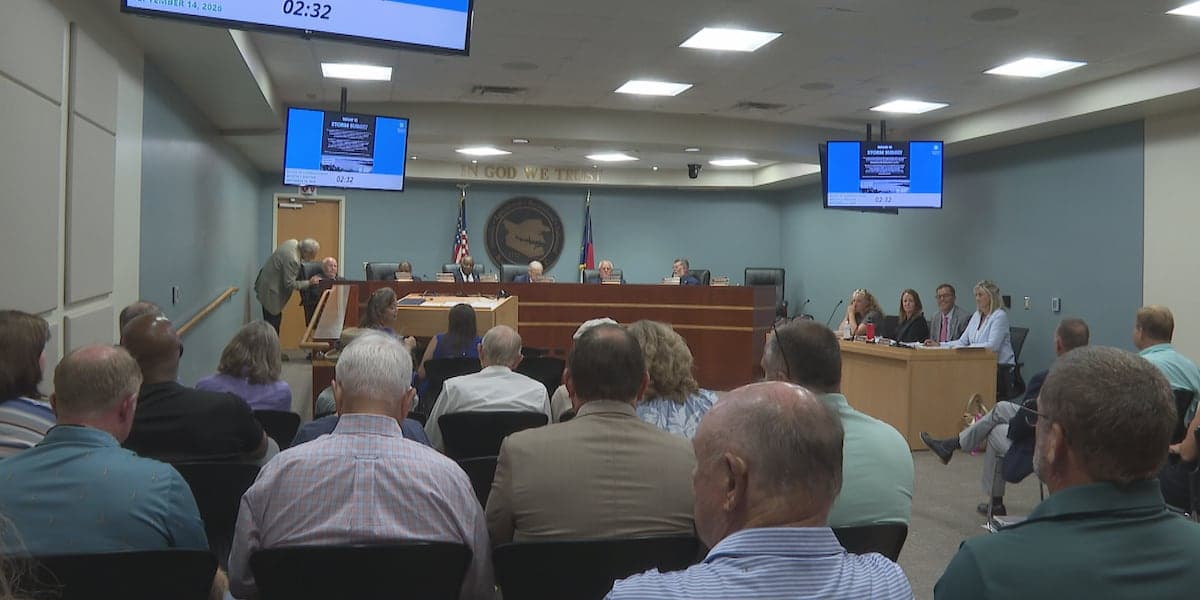
Charlotte City Council voted 7-4 on Monday to reverse its May decision and support the controversial I-77 South toll-lane project, after facing a threat of roughly $64 million or more in state repayment penalties. Charlotte Observer reported that council members Malcolm Graham and Joi Mayo switched their votes, citing a proposed legally binding $300 million community-benefits package for west Charlotte that would fund affordable housing, grocery stores, and recreational facilities.
The decision came after an emotional, hours-long meeting where most public speakers opposed the project and several audience members were removed after the chamber became unruly. WCNC reported that the Charlotte Regional Transportation Planning Organization will hold the final vote Wednesday, with Charlotte controlling roughly 41% of the vote, virtually guaranteeing regional approval.
State Budget Threat Forces Municipal Reversals
After Charlotte and other cities initially opposed the $3.2 billion to $4 billion project in May, the North Carolina General Assembly passed a state budget provision requiring municipalities to repay tens of millions in design expenses if they blocked the toll lanes. Charlotte Observer reported that Davidson, Cornelius, Huntersville, and Monroe all reversed earlier opposition under the same financial pressure from state lawmakers.
Davidson Mayor Rusty Knox said he personally did not believe in the project but felt compelled to support reinstating it. He called the decision "a hard pill to swallow." The financial threat left local leaders with few real choices—approve the toll lanes or face claw-back demands they could not afford.
Community Benefits Package Targets Long-Neglected West Charlotte
Council Member Malcolm Graham defended the reversal by pointing to the new $300 million community-benefits agreement with the state. The package includes a civic center along Beatties Ford Road, a recreational center on Nations Ford Road, a food market or co-op grocery store, affordable housing, and retail space. Graham said west Charlotte had long been a food desert and historically deprived of resources.
The legally binding Memorandum of Agreement, scheduled to be signed Tuesday, commits funding generated through the private toll partnership directly to neighborhood recovery. However, opponents argue that promised amenities do not offset decades of private toll management, displacement, and the loss of a free transportation corridor.
Opponents Cite Historical Harm and Unresolved Equity Concerns
Sean Langley, president of the McCrorey Heights Neighborhood Association, said opponents were "disheartened" by the vote. He cited the project's cumulative effects on Charlotte's history, environment, property values, and quality of life. Critics note that highway construction in west Charlotte has historically cut through predominantly Black, lower-income neighborhoods, creating economic isolation and food deserts.
Public speakers at Monday's meeting raised concerns about cost, environmental impact, construction disruption, and whether the toll lanes would function as a barrier that divides historic communities. Most speakers opposed the project, though the outbursts that led to audience removals overshadowed testimony from those advocating for the infrastructure investment.
Regional Vote Wednesday Likely to Seal Project's Fate
The Charlotte Regional Transportation Planning Organization holds the final binding vote Wednesday. WBTV reported that Charlotte controls approximately 41% of the voting power at the regional board, effectively guaranteeing approval once the city's delegates are instructed to vote yes. The 7-4 council vote has already locked in that instruction.
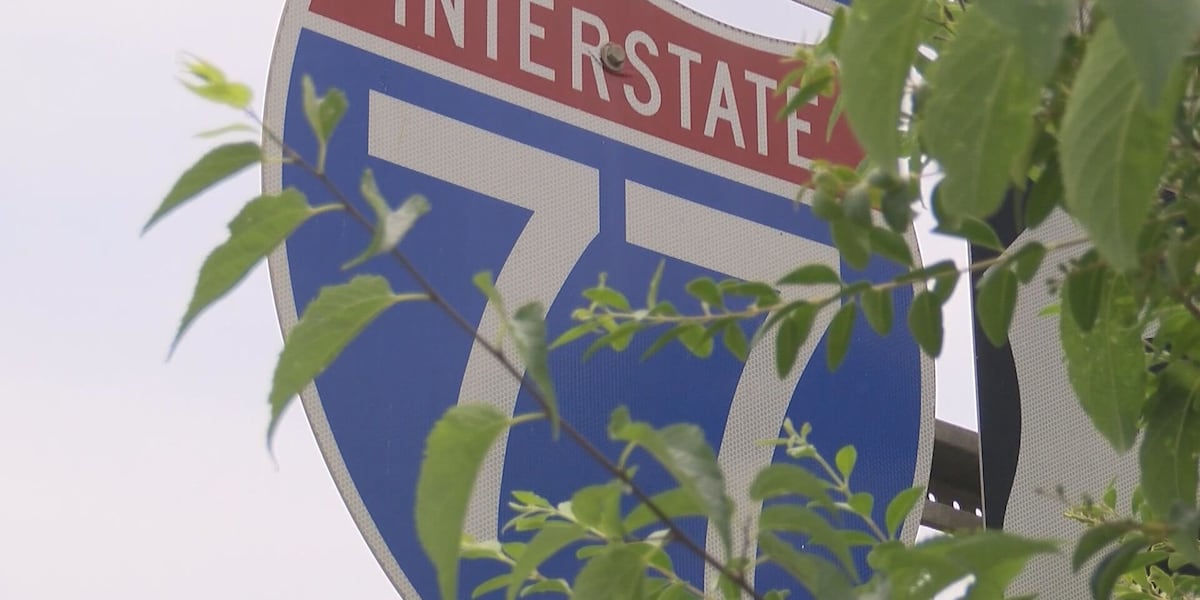
With Charlotte's support restored and outer suburbs already reversing opposition under the same financial threats, the toll-lane project now moves toward procurement and construction. The express lanes will span 11 miles from Uptown Charlotte south to the South Carolina state line, marking one of the region's most contested infrastructure decisions in recent years.
Sentiment
Mostly NegativeNEGATIVENEUTRALPOSITIVE
Publishers
41
Articles
8
Reach
49
Topics
A
AnonymousAuthor