Tesla Cybercab Probe
Federal regulators investigate Tesla over self-certification standards for pedal-free Cybercabs in Austin.
Anonymous
Key Points
1
Unlike Tesla, Waymo has retained steering wheels and pedals in its robotaxis, allowing police, firefighters and other emergency personnel to move the vehicles if necessary. Amazon’s Zoox, by contrast, obtained an NHTSA exemption permitting up to 2,500 vehicles without conventional controls; Tesla did not seek that exemption.
2
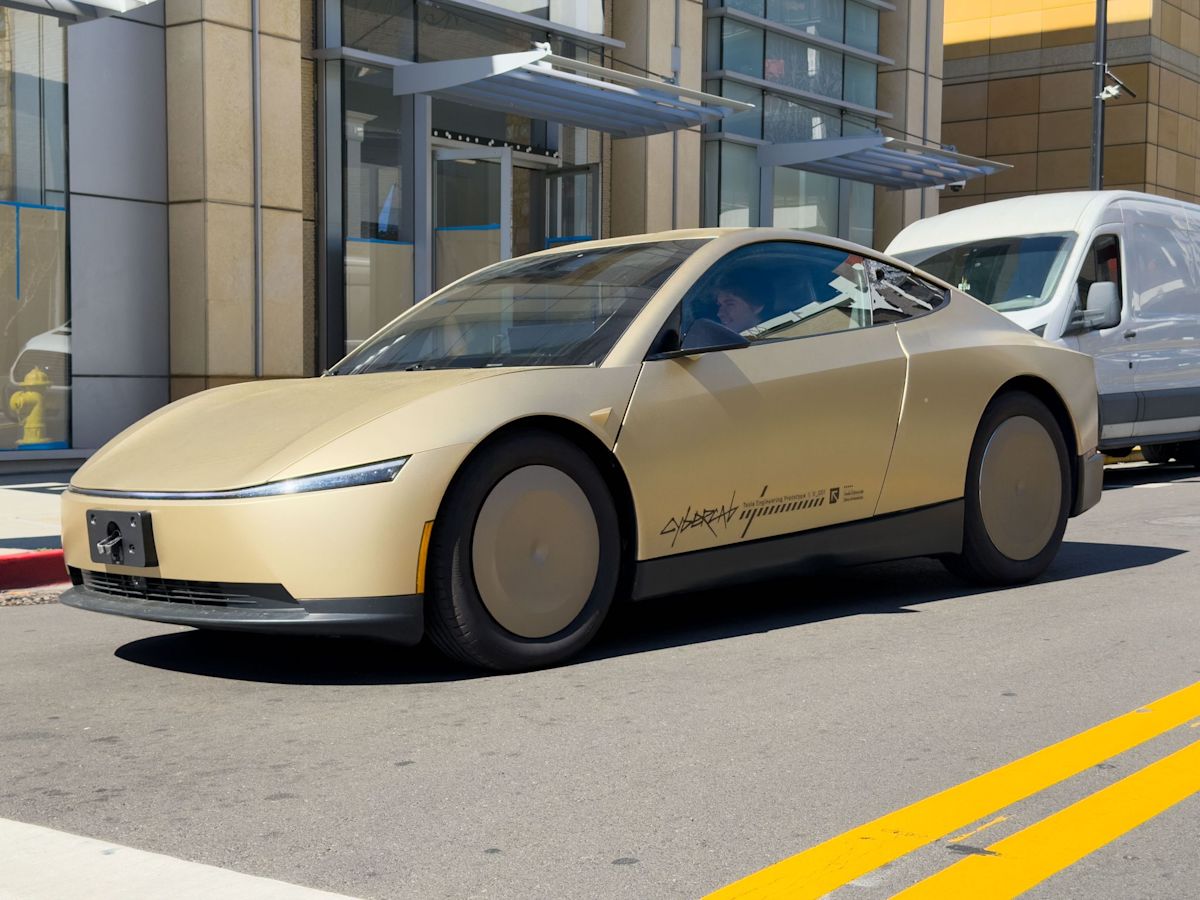
The Austin Cybercab is a two-seat vehicle with no conventional side mirrors or rearview mirror, and it operates exclusively through Tesla’s Full Self-Driving software.
3
Tesla’s guidance to first responders reportedly runs more than 70 pages and says the touchscreen is the only way to move the vehicle. If the screen is inaccessible or the vehicle lacks power, responders must contact Tesla’s Robotaxi First Responder Support or Rapid Response team.
4
Tesla’s emergency-response procedure requires responders seeking remote assistance to be in uniform and show a badge or other official identification to the Cybercab’s B-pillar camera—steps that could delay intervention during a live emergency.
The National Highway Traffic Safety Administration is investigating whether Tesla improperly certified its steering-wheel-free Cybercab for public use in Austin. NHTSA issued a 21-question audit on September 3, the same day Tesla began limited commercial service, asking how the company self-certified the vehicle as meeting federal safety standards—including rules requiring foot-pedal brake controls. NHTSA wants to know if Tesla used temporary human-driving controls during testing and removed them before launching passenger rides.
Tesla must respond by September 30 and faces potential penalties up to $139 million, though NHTSA has not issued a recall or stop-sale order. The probe comes as Austin riders report delayed pickups and awkward stops, while first responders worry that touchscreen-only controls could fail in emergencies—especially with dirty hands, gloves, or a dead battery.
Cybercab Lacks Standard Emergency Controls
The Cybercab is a two-seat vehicle with no steering wheel, pedals, conventional mirrors, or physical controls. Tesla's guidance to first responders runs over 70 pages and states the touchscreen is the only way to move the vehicle. If the screen is broken, unresponsive, or the battery dies, first responders must contact Tesla's Robotaxi Support team and show identification to a B-pillar camera—steps that could delay life-saving intervention.
New York test vehicles break this pattern. They retain steering wheels and conventional pedals, apparently to comply with state law. A hidden virtual joystick allows low-speed manual control, suggesting Tesla can add these features when regulators demand them.
Competitors Chose Different Routes
Waymo's robotaxis retain steering wheels and pedals, allowing police and firefighters to move vehicles during emergencies. Amazon's Zoox obtained an NHTSA exemption permitting up to 2,500 vehicles without conventional controls. Tesla did not seek a similar exemption before launching in Austin, raising questions about how the Cybercab gained approval.
The contrast highlights Tesla's unusual approach. Other autonomous-vehicle makers either kept emergency controls or went through formal exemption processes. Tesla appears to have self-certified compliance without requesting the exemption Zoox used, which may explain NHTSA's audit.
Real-World Glitches Mount in Austin
Early Austin riders report frequent problems. Pickups are delayed, stops feel awkward or abrupt, and the vehicle drives cautiously in normal traffic. Some passengers describe occasional glitches that interrupt rides. These issues suggest the Full Self-Driving software may not yet handle real-world complexity reliably.
First responders have flagged a critical gap: the touchscreen-dependent design makes the vehicle harder to control in true emergencies. Dirty or gloved hands cannot reliably activate the screen. A dead battery leaves responders with no way to move the vehicle except calling Tesla—unacceptable when seconds matter.
Sentiment
Mostly NegativeNEGATIVENEUTRALPOSITIVE
Publishers
17
Articles
37
Reach
54
A
AnonymousAuthor


