LPG Subsidy Verification Changes
India ends LPG subsidies for customers lacking biometric e-KYC verification starting October.
Anonymous
Key Points
1
Industry data cited by the Times of India said about 27.43 crore active LPG consumers—89.9% of the total—had completed biometric e-KYC and remained eligible for subsidised refills.
2
In Hyderabad, the price comparison illustrates the potential cost increase for households moved to market-priced refills: a subsidised 14.2-kg cylinder costs ₹994, while a 5-kg free-trade LPG refill costs ₹846.50 and a 10-kg composite-cylinder refill costs ₹1,801. First-time free-trade LPG users must also pay for the equipment.
3
An oil marketing company instructed distributors to cancel pending orders and invoices—including prepaid ones—for both Ujjwala and non-PMUY households that had not completed biometric authentication.
4
One report said LPG connections had been blocked in parts of Maharashtra where piped natural gas infrastructure is available.
5
The commercial-cylinder price rise was described as the second consecutive monthly hike, attributed to elevated crude oil prices.
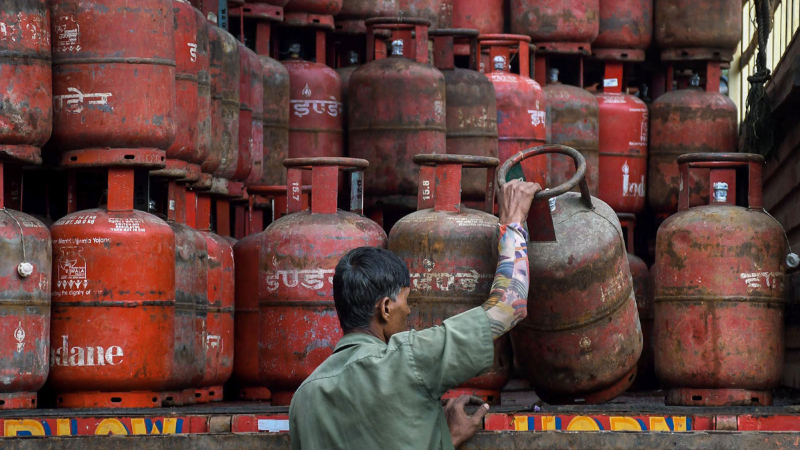
India is cutting off subsidized cooking gas for millions of households that refuse biometric authentication. Starting October 1, Times of India reports that customers without e-KYC—a fingerprint-based Aadhaar verification—cannot book subsidized refills. They must complete authentication or buy unsubsidized cylinders at market rates. About 27.43 crore active LPG consumers, or 89.9% of the total, have already completed e-KYC and remain eligible for subsidies.
Commercial cylinder prices jumped again in October. Times of India data shows 19-kg cylinders rose between ₹62.50 and ₹71.50 across major cities, marking the second consecutive monthly hike. The increase stems from elevated crude oil prices. Household 14.2-kg cylinders stayed unchanged. Meanwhile, The Hindu reports that oil companies have begun canceling pending orders for customers who refuse biometric authentication.
Subsidy Gate Closes for Non-Verified Customers
The Ministry of Petroleum issued strict new rules starting October 1. The Live Nagpur explains that domestic customers must complete biometric e-KYC to book subsidized refills. Those who refuse face two choices: register their refusal and buy market-priced cylinders, or complete the fingerprint verification. The Hindu reports that oil marketing companies have already begun canceling pending orders—including prepaid ones—for non-compliant households.
About 10% of customers have not completed authentication. Times of India data shows 27.43 crore consumers—89.9% of active users—passed biometric verification and kept subsidy access. The remaining 3 crore households must now act or lose benefits. The Hindu Business Line notes that non-compliant users can switch to 5-kg free-trade cylinders or 10-kg composite options at full market prices.
Cost Shock for Households Switching to Market Prices
The price gap between subsidized and market-rate cylinders is stark. In Hyderabad, The Hindu Business Line reports a subsidized 14.2-kg cylinder costs ₹994. By contrast, a 5-kg free-trade refill costs ₹846.50, while a 10-kg composite cylinder costs ₹1,801. First-time buyers of free-trade cylinders must also pay for equipment upfront, adding hundreds of rupees to the bill.
Distributors expect complaints to surge as the system takes hold. The Live Nagpur reports that many customers have already encountered booking and authentication problems. The combined effect—higher commercial prices plus subsidy cuts—could strain household budgets across India. Public TV English notes that smaller cylinders like the 5-kg option require more frequent refills, raising overall costs for poor families.
Delivery Verification and Emerging System Friction
The government is adding another layer of verification. The Hindu Business Line reports that LPG deliveries now require stricter authentication using a delivery code sent to the customer's registered mobile number. This is meant to prevent unauthorized purchases and fraud, but it also creates friction at delivery time. Customers must be home and answer calls to receive refills.
Some regions face additional hardship. The Hindu mentions that LPG connections have been blocked in parts of Maharashtra where piped natural gas infrastructure exists. The move aims to push consumers toward piped gas but effectively cuts off households dependent on cylinders. Combined with the e-KYC requirement, the rule change is creating a chaotic rollout across India.
Sentiment
Mostly NegativeNEGATIVENEUTRALPOSITIVE
Publishers
16
Articles
20
Reach
36
Topics
A
AnonymousAuthor


