London Fashion Trends
Exploring London Fashion Trends Through the Lens of Celebrity Style and Political Influence
Anonymous

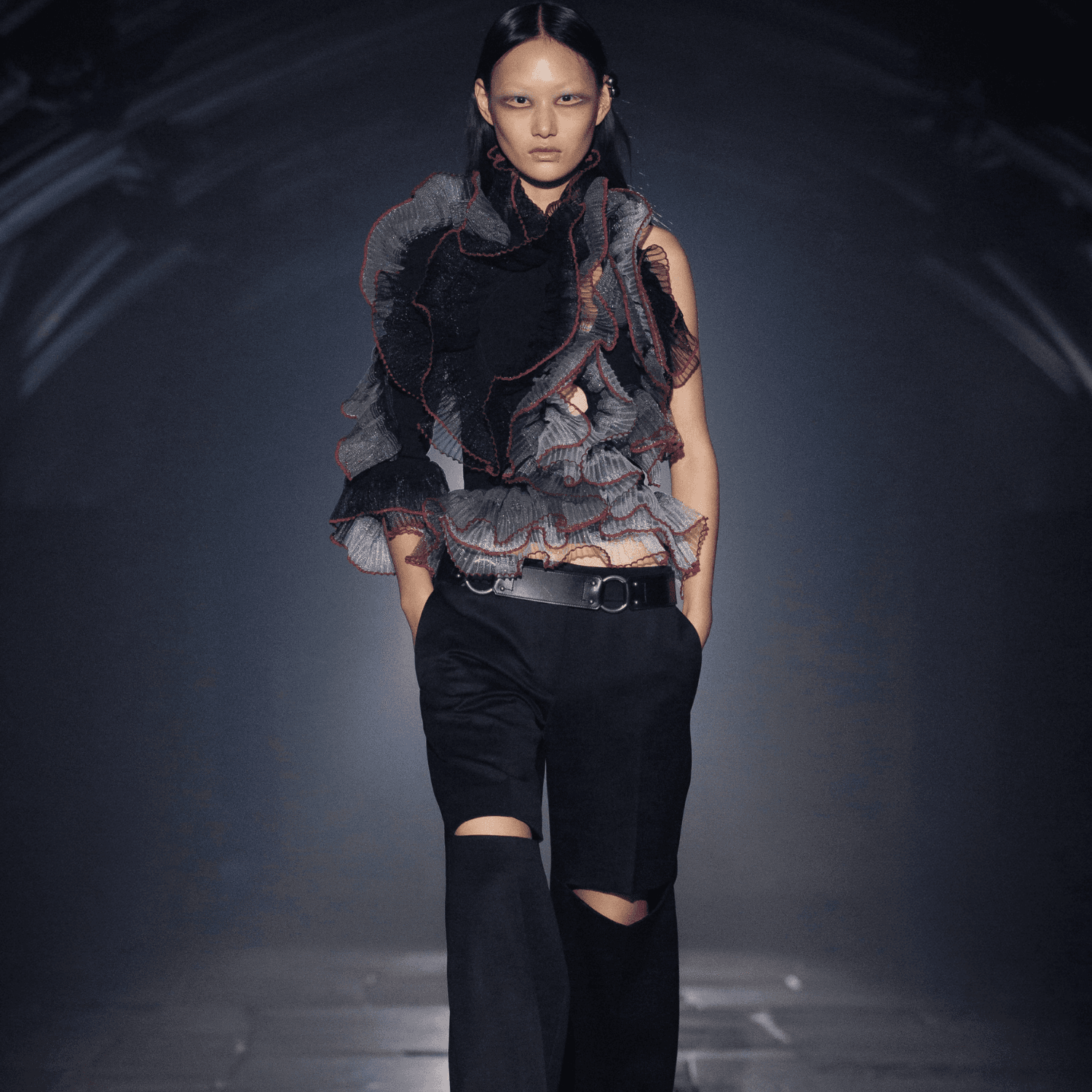
London's fashion scene is catching fire with bold beauty trends and practical runway-to-street styles. Marie Claire Australia reports that Dior's 2027 Spring/Summer show featured a pared-back face with silver accents, marking a shift toward wearable minimalism. Meanwhile, Bustle captured disco lids and exaggerated liner dominating Milan Fashion Week, proving that beauty innovation travels fast from runway to everyday closets.
Minimalism Meets Luxury at Spring Fashion Shows
High fashion is embracing restraint this season. Marie Claire Australia highlighted Dior's Creative and Image Director Peter Philips creating a clean, stripped-down makeup look with subtle silver accents at the 2027 Spring/Summer show in Paris. This move signals that less is more for luxury brands seeking to break through noise.
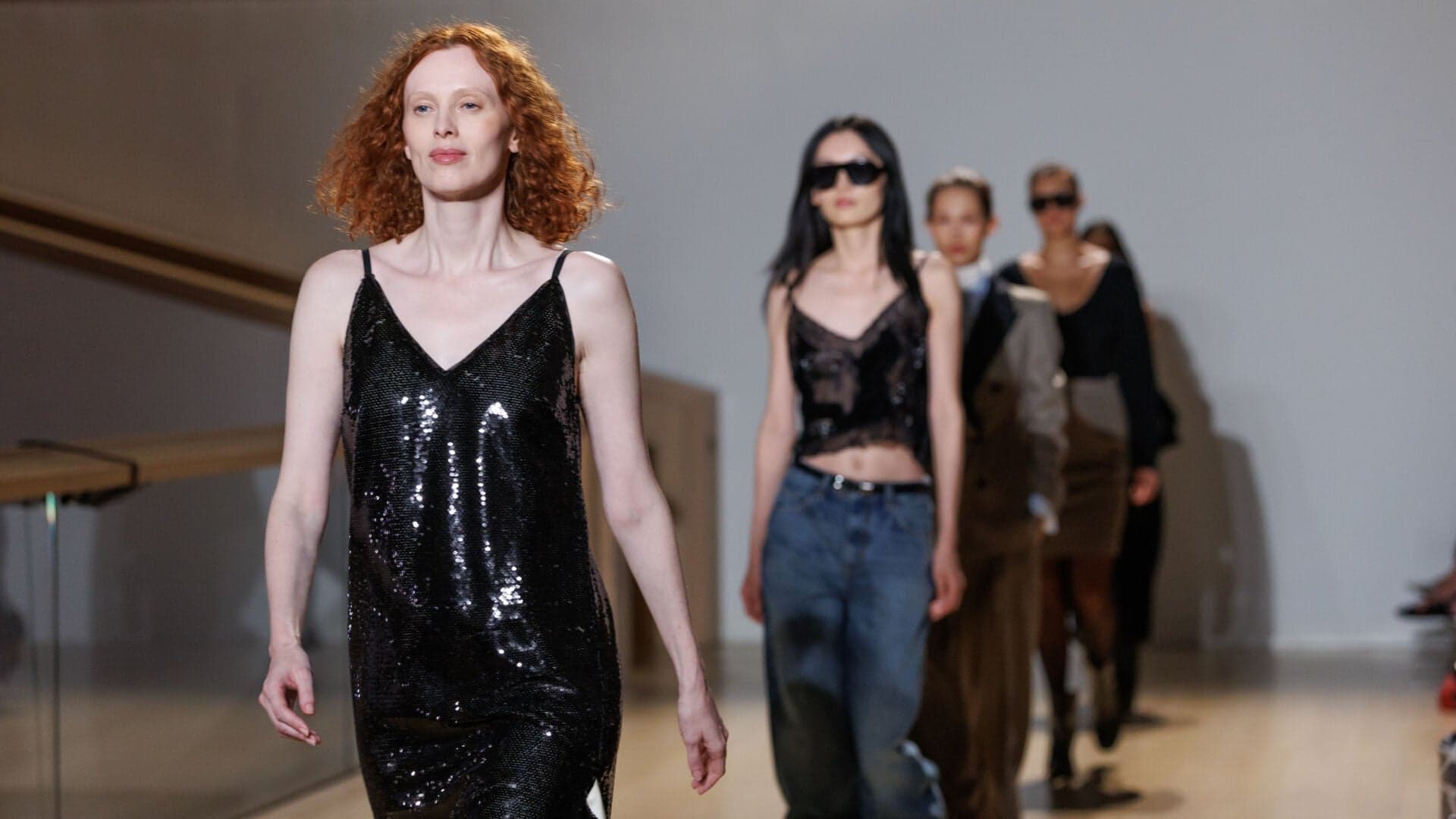
The trend reflects broader industry patterns. Local 4 Lifestyle noted that fashion influence flows beyond Paris runways into everyday wardrobes, making wearable beauty essential. Brands are prioritizing looks people can actually recreate at home rather than extreme theatrical makeup.
Bold Eyes Steal the Spotlight in Milan
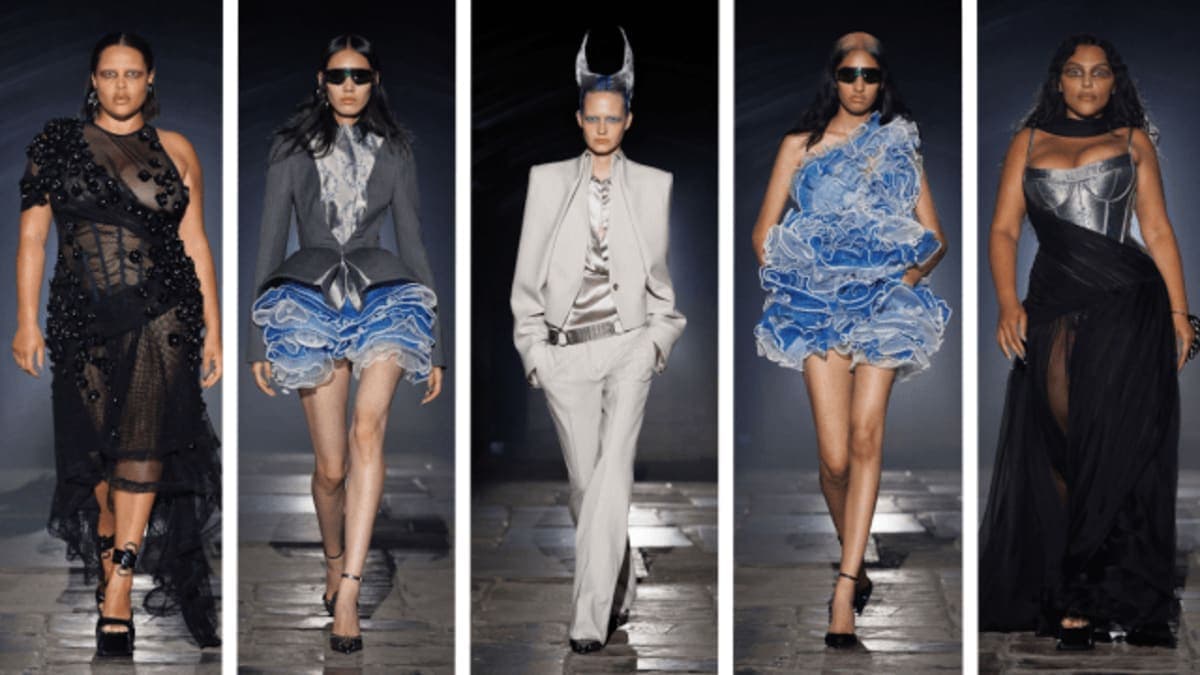
Milan Fashion Week Spring/Summer 2027 told a different story. Bustle documented disco lids, exaggerated liner, and bright blue eyeshadow as the season's biggest beauty winners. Models sported statement eye looks that demanded attention and challenged the minimalist movement unfolding simultaneously in Paris.
This dual trend — minimalism in Paris, boldness in Milan — shows fashion's diverse direction. WCNC reported that runway beauty trends are being translated into wearable everyday styles, giving consumers permission to pick their own aesthetic.
Fashion Labor Reform Reshapes Industry Standards
Beyond aesthetics, London and global fashion face serious business changes. AFS Law reported that the FABRIC Act, reintroduced during New York Fashion Week, would replace piece-rate pay with an hourly wage floor. This legislation targets long-standing labor practices across fashion manufacturing and design.
The third congressional push for the act signals growing accountability pressure on fashion brands. The legislation aims to build real institutional change in how designers and manufacturers compensate workers, potentially reshaping London's supply chain relationships.
Runways Bridge Gap Between Catwalk and Closet
Fashion weeks increasingly focus on makeable trends. WCNC emphasized that runway beauty trends are designed for everyday application, not just magazine spreads. This practical shift means London consumers see fewer unwearable looks and more inspiration they can copy.
Local 4 Lifestyle confirmed this trickle-down effect shapes how trends reach real people. When Paris, Milan, and New York shows prioritize wearable design, London's high streets follow within weeks, making fashion more accessible across income levels.
Sentiment
Mostly NegativeNEGATIVENEUTRALPOSITIVE
Publishers
17
Articles
5
Reach
22
A
AnonymousAuthor