New US Ambassador Cleared
France Clears Incoming US Ambassador After Resolving Diplomatic Dispute
Anonymous
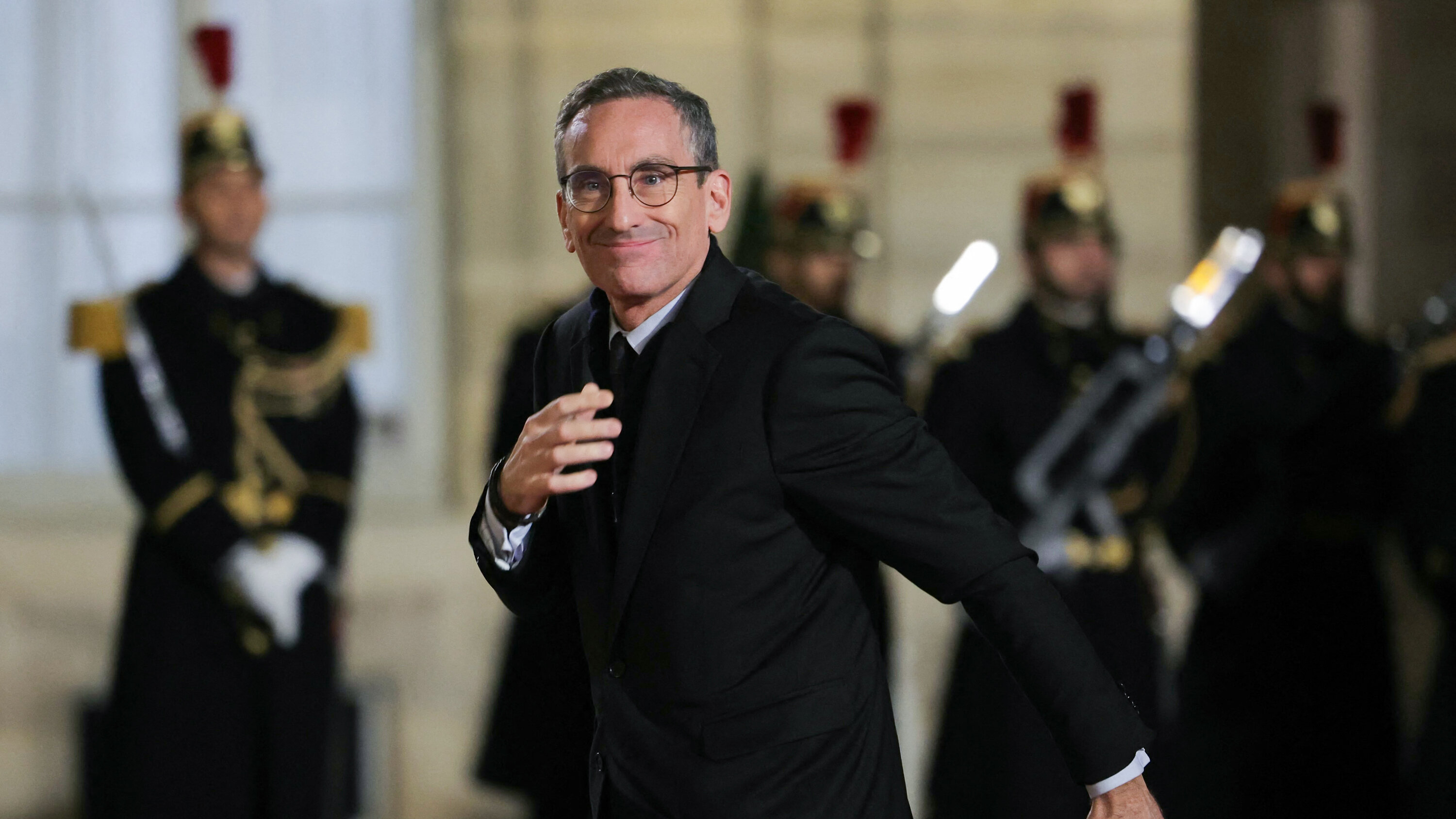
France's incoming ambassador to the United States, Aurélien Lechevallier, has been cleared to assume his post after Paris apologized for criticizing Washington over a UN human rights vote. France's UN Mission issued a formal statement of regret on September 11, saying the original criticism was about "a single vote" and did not reflect on U.S. commitment to human rights. US State Department welcomed the clarification, lifting a seven-week diplomatic freeze that had blocked Lechevallier's accreditation. He is expected to arrive in Washington in the coming weeks to replace outgoing Ambassador Laurent Bili.
A UN Vote Sparks Rare Alliance Tension
On July 24, the UN General Assembly voted to renew the mandate of UN Human Rights Commissioner Volker Türk for four years. The United States voted against renewal, joining just nine other nations including Russia and North Korea. France's UN Mission fired back on July 25, posting that the U.S. is "no longer a beacon of human rights." The comparison to authoritarian regimes infuriated Washington diplomats.
Two days later, U.S. diplomats walked out of a Security Council meeting as French Ambassador Jérôme Bonnafont began speaking. State Department officials accused France of "disingenuous grandstanding" and "disrespectful rhetoric." The disagreement escalated when Washington halted Lechevallier's ambassador approval in late July—an extremely rare freeze between NATO allies.
France Backs Down, Diplomatic Crisis Ends
On September 11, France issued a formal apology. France's UN Mission stated: "The Permanent Mission of France to the U.N. in Geneva regrets the 25 July message posted on X that called into question the U.S. commitment to human rights." The statement emphasized the dispute was limited to a single vote and unrelated to human rights defense principles.
Within days, US State Department accepted the clarification. A spokesperson said, "We note and appreciate France's statement, and look forward to working together to further shared values and interests." The freeze lasted about seven weeks. Lechevallier, currently Chief of Staff to France's Foreign Minister, is now free to prepare his move to Washington.
What Divided Washington and Paris Over Human Rights
The U.S. opposed Türk's reappointment, arguing he unfairly criticized democracies like Israel and the United States while overlooking authoritarian abuses. The administration believed the commissioner showed bias against American allies. When France defended Türk's renewal, tensions exploded—but the core disagreement was narrow and tactical rather than philosophical.
French insiders later acknowledged the original social media post was "unfortunate" given strong bilateral cooperation. Diplomatic analysts noted the U.S. response—blocking an ambassador's accreditation—was unusually aggressive for allies. However, both nations prioritized restoring the relationship over prolonging the standoff.
Sentiment
Mostly NegativeNEGATIVENEUTRALPOSITIVE
Publishers
45
Articles
14
Reach
59
Topics
A
AnonymousAuthor


