Global Wildfire Threat
Climate change and invasive species are driving severe wildfire risks across global ecosystems.
Anonymous
Wildfire risks are increasing across ecosystems, driven by climate change, changing fuel conditions and land-management challenges. A study in Ecuador’s southern Andes projects growing fire hazards in the high-elevation páramo and surrounding vegetation as warmer, drier conditions threaten water-regulating habitats and biodiversity. In Central Australia, environmental advocates are urging federal action on buffel grass, an invasive pasture species that creates heavy, highly flammable fuel loads; pastoralists, however, say the grass supports cattle production. In the United States, researchers warn that hotter, faster-moving fires are causing greater damage in forests historically adapted to fire, leaving some areas less able to recover. Scientists stress that fire is ecologically necessary, while a lack of prescribed burning can leave landscapes more vulnerable to severe blazes.
Key Points
1
The Ecuador study used high-resolution, 20-meter simulations to map wildfire hazard in Molleturo Parish, a nearly 98,400-hectare area spanning elevations from inter-Andean valleys to peaks above 4,000 meters; about a quarter of the parish is protected forest and vegetation.
2
In Central Australia, Invasive Species Council spokeswoman Taigen Ryan said buffel grass can burn about 300°C hotter than native grasses and can burn trees to their core, endangering treetop refuges used by native animals. She also said volunteer firefighters report it is already fueling most of the fires they attend.
3
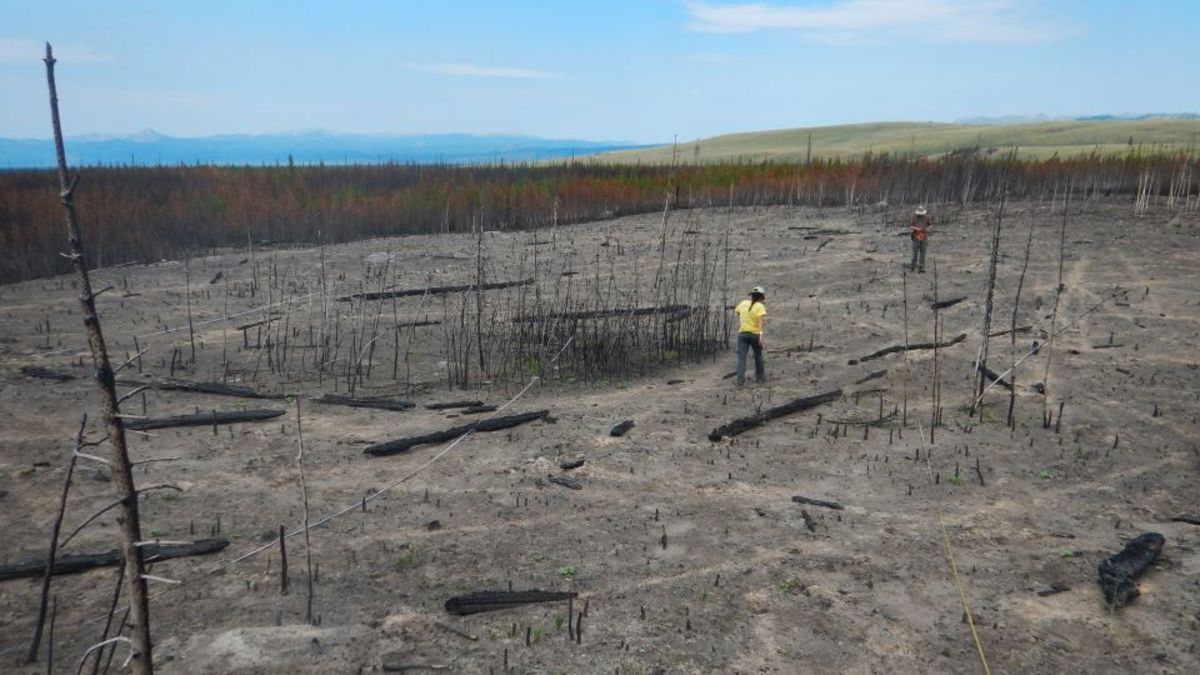
The U.S. forest concern is illustrated by Yellowstone’s Maple Fire: when researcher Monica Turner revisited the area in 2017, she found far greater loss than in places that had burned before. Researchers say it remains uncertain whether some forests will reach a tipping point at which trees no longer return.
4
The Invasive Species Council says a decision on whether to list buffel grass as a weed of national significance has been delayed until December amid pastoral-industry lobbying; the Northern Territory government’s draft control plan would give pastoralists a 10-year exemption.
Sentiment
Mostly NegativeNEGATIVENEUTRALPOSITIVE
Publishers
5
Articles
26
Reach
31
Topics
A
AnonymousAuthor


