Kyiv Bridge Closures
Russian Drone Strikes Shut Kyiv Bridges and Spark New International Truce Proposals
Anonymous
Key Points
1
Ukrainian President Volodymyr Zelenskyy urged tighter sanctions, saying Russian drones and missiles are “critically dependent” on foreign components and that “Every Russian drone can actually be stopped right at the production line.”
2
The Institute for the Study of War said Russian forces lost control of nearly 300 square kilometers between March and September, and estimated that Russia suffered more than 46,000 casualties in September—the highest monthly total this year.
3
Russia’s Defense Ministry said its attacks also targeted a power plant in the Kyiv region, the Port of Izmail and a cargo vessel, claiming the port handled supplies for Ukraine’s armed forces.
4
Ukraine’s Air Force reported that it downed or suppressed 78 of the 97 Russian attack drones launched between 06:30 and 18:00 on October 1; 66 of the drones were jet-powered.
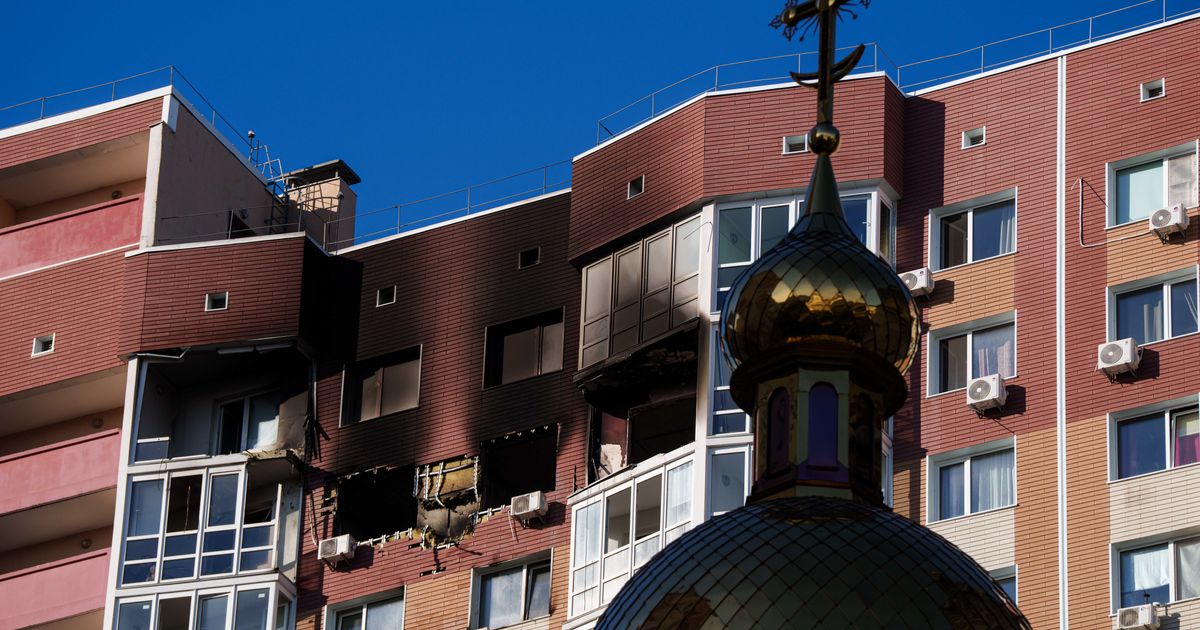
Russian drone strikes shut down three major bridges over Kyiv's Dnipro River on October 2, strangling traffic across Ukraine's capital. India Today reported that Russia launched more than 100 drones overnight, hitting the Southern Bridge, Paton Bridge, and Metro Bridge—forcing metro service to halt and creating gridlock for commuters. A strike on a residential high-rise killed one person and wounded others, continuing Moscow's winter campaign to cripple Ukrainian infrastructure.
Ukraine's Air Force downed or suppressed 78 of 97 Russian attack drones on October 1, with 66 of those being fast jet-powered models, WRAL reported. President Volodymyr Zelenskyy demanded tighter global sanctions, saying Russian drones depend on foreign components and that "every Russian drone can actually be stopped right at the production line." Meanwhile, Ukraine received partial truce proposals from the United States, India, Turkey, and Egypt covering energy infrastructure and Black Sea shipping.
Three Bridges Collapse Into Closures
Kyiv Mayor Vitali Klitschko announced full or partial closures of the Southern Bridge, Paton Bridge, and Metro Bridge on October 2. India Today reported that drone strikes damaged the Southern Bridge's support columns, roadway, guardrails, and the concrete structure protecting metro tracks below. Metro workers de-energized the tracks to prevent electrical hazards. The closures stranded thousands of commuters, forcing them to walk or use alternate routes like the Darnytskyi Bridge.
Russia's Defense Ministry claimed the Southern Bridge was a military target used to move Ukrainian troops and equipment. Fox4KC reported that Moscow also targeted a power plant in the Kyiv region, the Port of Izmail, and a cargo vessel, alleging these sites supplied Ukraine's armed forces. Russian strikes employed specialized drones designed to cut steel bridge structures and damage power transmission lines.
Ukraine Downs Majority of Incoming Drones
Ukraine's Air Force intercepted most of Russia's drone barrage on October 1. Between 06:30 and 18:00, Ukrainian forces downed or suppressed 78 of 97 Russian attack drones launched that day. The drones included 66 fast jet-powered models capable of penetrating air defenses. The high interception rate showed Ukraine's improved air defense coordination, though drones still reached civilian targets in Kyiv and surrounding regions.
The overnight assault of more than 100 drones marked an escalation in Russia's seasonal strategy of disabling critical infrastructure before winter. Express News reported that residential areas and energy facilities took hits alongside military targets. One person died in a Kyiv high-rise strike, with at least four others wounded across regional strikes. Moscow continues deploying drones faster than Ukraine can replace air defense munitions.
Zelenskyy Pushes for Sanctions on Drone Parts
President Zelenskyy took to social media demanding tighter export controls on Russian military production. He stated that Russian drones and missiles depend critically on foreign components from Europe, the United States, China, and Japan. "Every Russian drone can actually be stopped right at the production line," Zelenskyy said, calling for political will from allied nations to choke off Moscow's supply chains.
Simultaneously, Ukraine launched its own long-range strikes against Russian targets. Ukraine conducted drone attacks on industrial sites in Russia, including oil refineries. These reciprocal strikes, combined with Zelenskyy's sanctions push, signal Ukraine's dual strategy: degrade enemy logistics while pressuring Western partners to tighten the economic noose on Moscow's defense sector.
Truce Talks Surface as Winter Approaches
Ukraine's foreign ministry revealed it had received separate truce proposals from four countries: the United States, India, Turkey, and Egypt. India Today reported the proposals focus narrowly on protecting energy infrastructure and reopening Black Sea shipping corridors. These talks emerge as Russia intensifies winter attacks on power plants and heating systems, threatening millions of Ukrainian civilians with freezing temperatures and blackouts.
The Institute for the Study of War estimated Russian forces lost control of nearly 300 square kilometers between March and September, and suffered more than 46,000 casualties in September alone—the year's highest monthly toll. These mounting losses suggest neither side has achieved decisive advantage, creating diplomatic openings for limited agreements even as large-scale combat continues across eastern Ukraine.
Sentiment
Mostly NegativeNEGATIVENEUTRALPOSITIVE
Publishers
54
Articles
208
Reach
262
A
AnonymousAuthor