Smuggled Orangutan Rescue
Odisha Special Task Force Questions Three Individuals After Rescuing Smuggled Baby Orangutans
Anonymous
Key Points
1
The case was formally registered by the STF’s wildlife wing on the basis of an application from Odisha’s Principal Chief Conservator of Forests, with investigators saying they expected significant progress within seven to eight days. DGP-in-charge Vinaytosh Mishra said the probe would examine the orangutans’ origin, how they reached the forest and their intended destination.
2
STF DIG Kanwar Vishal Singh said investigators would not act on suspicion alone, emphasizing that they were gathering facts, figures and evidence while reviewing similar orangutan cases reported elsewhere in India and consulting the Wildlife Crime Control Bureau’s inspector general.
3
The animals were rescued from two forest sections of the Jaleswar Range in the Bhograi area and reached Nandankanan’s veterinary hospital at about 10:30 p.m.; officials said they were stable on arrival.
4
The group includes two females and one young infant. Because the five orangutans remain closely attached, zoo officials are keeping them together rather than separating them; three doctors and three caregivers are assigned in shifts, with a dedicated night doctor and strict hygiene procedures.
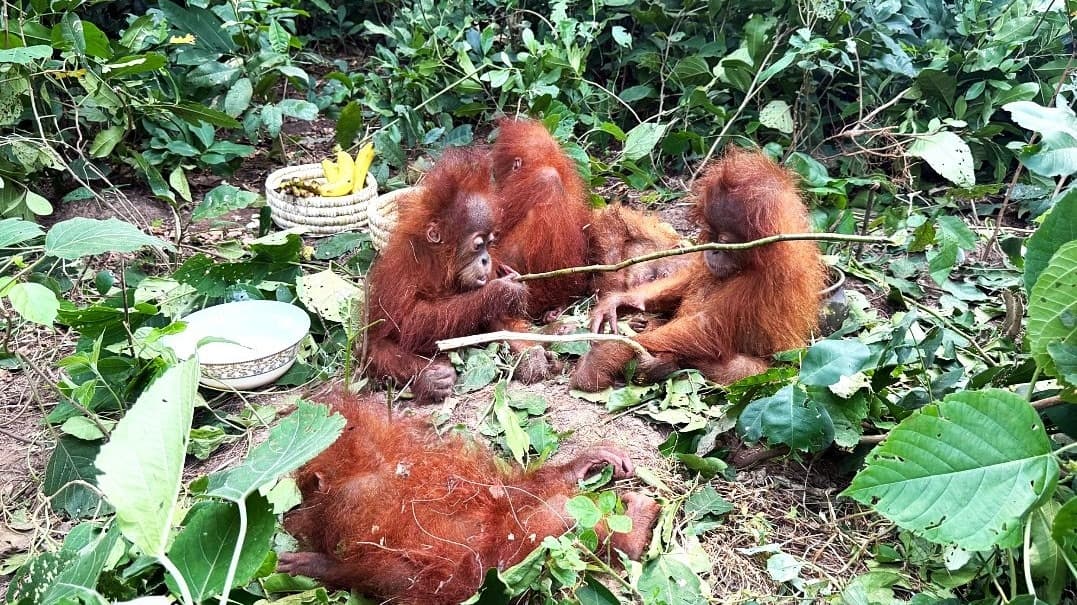
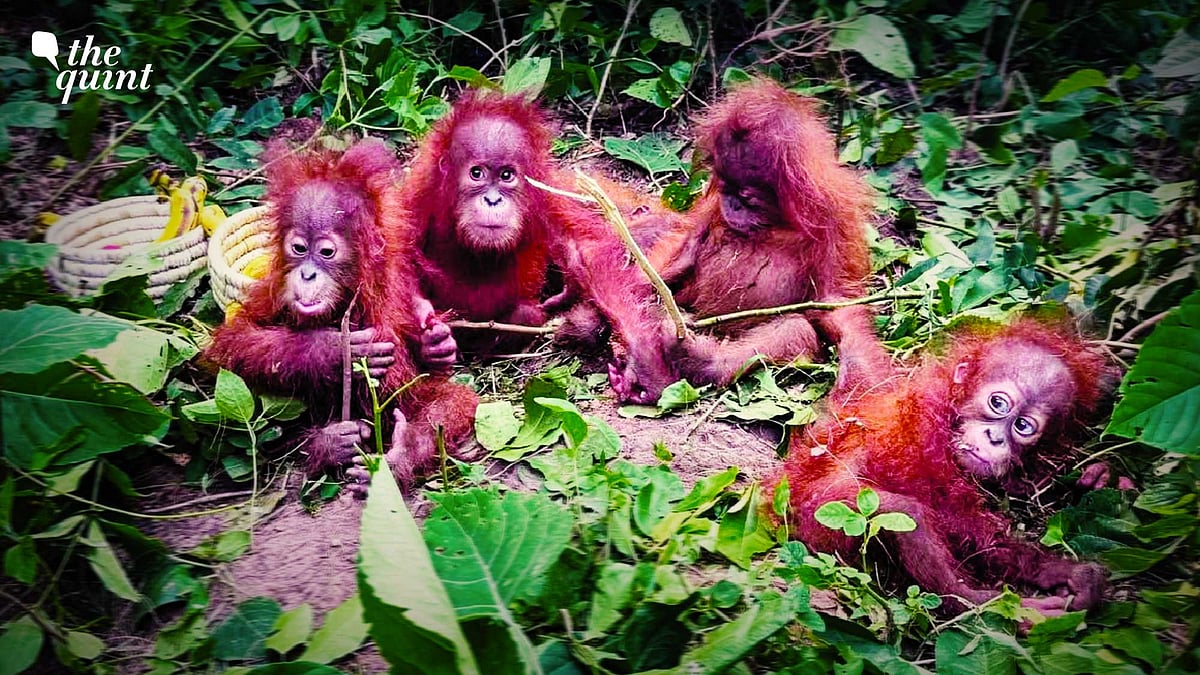
Odisha police have launched a special task force investigation after five baby orangutans—animals not found naturally in India—were rescued from a forest in Balasore district. Newsable reported that authorities have begun questioning three people in neighboring West Bengal as they work to uncover how the animals entered the country. Officials suspect the orangutans were smuggled through an international wildlife-trafficking network and are reviewing transportation routes, CCTV footage, and working with the Indian Coast Guard to trace their origins.
The five juveniles, aged six to eight months old and including two females and one infant, are now quarantined at Nandankanan Zoological Park in Bhubaneswar. The Statesman noted that the case underscores India's vulnerability to global wildlife trafficking. Zoo officials are providing round-the-clock veterinary care with three doctors and three caregivers working in shifts, keeping the animals together since they remain closely bonded.
STF Expected to Make Key Progress Within Days
Odisha's Principal Chief Conservator of Forests filed the formal case with the special task force's wildlife wing. DGP-in-charge Vinaytosh Mishra said investigators aim to determine three things: where the orangutans came from, how they reached the Jaleswar Range forest, and where they were headed. Times of India reported that the STF expects significant breakthroughs within seven to eight days.
STF DIG Kanwar Vishal Singh emphasized that authorities are building evidence rather than acting on suspicion alone. Investigators are reviewing similar orangutan cases from elsewhere in India and consulting the Wildlife Crime Control Bureau's inspector general to understand trafficking patterns.
Rescued Animals Stable but Under Close Medical Watch
The five orangutans were found in two forest sections of the Bhograi area and brought to Nandankanan's veterinary hospital around 10:30 p.m., arriving in stable condition. Zoo officials decided to keep all five together rather than separate them because the young animals remain deeply attached to one another. Strict hygiene procedures are in place to prevent disease spread.
New Indian Express reported that one orangutan developed a recurring fever, prompting a 10-day observation period for the entire group. A dedicated night doctor monitors the animals around the clock. Times of India noted that zoo authorities are planning an open-air enclosure exposure to help reduce the animals' stress during their quarantine period.
The Five Orangutans Expose Major Trafficking Networks
The Quint reported that the five infant orangutans, aged six to eight months, could not have naturally reached Odisha's Balasore district. The Statesman warned that the discovery reveals how deeply India is enmeshed in international wildlife smuggling networks. The animals' presence in a remote Indian forest indicates sophisticated trafficking routes that move endangered species across continents.
Investigators are examining land and water routes in coordination with the Indian Coast Guard, suggesting smugglers may have used maritime passages. The case highlights gaps in border security and port monitoring that allow rare primates to slip into the country undetected.
Sentiment
Mostly NegativeNEGATIVENEUTRALPOSITIVE
Publishers
16
Articles
7
Reach
23
Topics
A
AnonymousAuthor