Orangutan Fever Treatment
Rescued Orangutan Infant Develops Fever Under Veterinary Care at Nandankanan Zoo
Anonymous

Key Points
1
The affected orangutan was placed in quarantine on September 8, while its persistent fever was first reported on September 13, according to zoo officials.
2
The quarantine area has become relatively crowded after the arrival of 58 other animals, although officials said the five orangutans were given separate accommodations.
3
The infants developed gas and are being fed once every three hours as part of their care regimen.
4
Wildlife-health expert Aditya Acharya said high body temperature in orangutans is monitored similarly to humans and that paracetamol-based medication is normally used for fever.
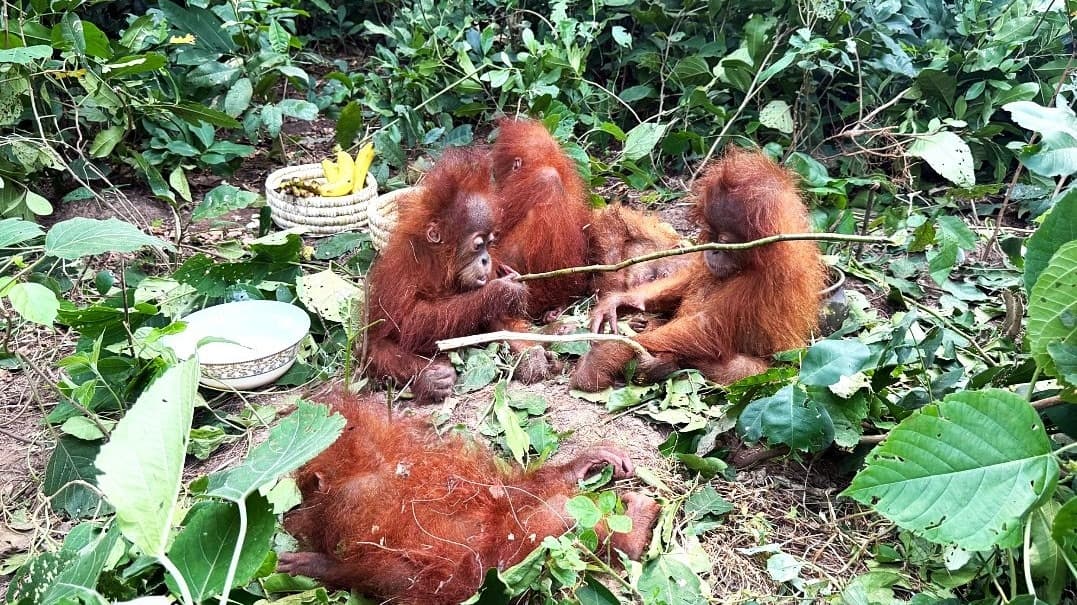
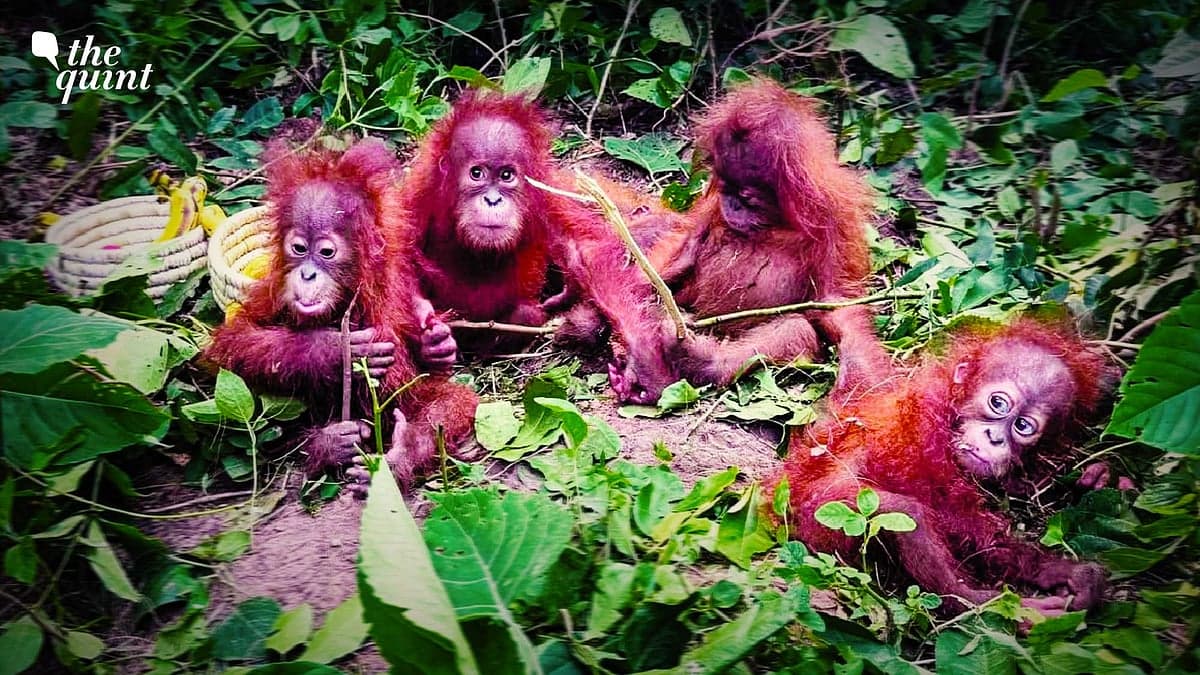
One of five baby orangutans rescued from Odisha's Balasore district has developed a persistent fever at Nandankanan Zoological Park. The Hans India reported the animal was placed in quarantine on September 8, with the fever first documented on September 13. Zoo officials say the orangutan is stable and receiving round-the-clock care, while the other four infants remain healthy.
Stress, fatigue, and adjustment to a new environment likely contributed to the illness, according to Hindustan Times. The orangutan receives medication, supportive feeding every three hours, and stays in a temperature-controlled quarantine room with mosquito protection. A five-member technical committee will monitor all five infants' health and welfare for six months.
Fever Strikes Rescued Orangutan in Zoo Quarantine
The sick orangutan developed a high body temperature shortly after arrival at the zoo. DTNext reported that wildlife health expert Aditya Acharya explained that high body temperature in orangutans is monitored the same way doctors monitor humans. Paracetamol-based medication is the standard treatment for fever in these primates.
Zoo officials placed the animal in strict isolation to prevent disease spread to its four siblings. The quarantine area provides specialized care including temperature control and protection from mosquitoes. Veterinarians observe the orangutan constantly and adjust treatment as needed based on daily fever patterns.
Three Orangutans Show Anaemia During Health Checks
Beyond the fever case, health examinations revealed serious concerns in other rescued infants. Hindustan Times reported that three of the five orangutans tested positive for anaemia during comprehensive health assessments. The zoo collected X-rays and blood samples from all five animals to evaluate their individual conditions.
Kashmir News Line noted that doctors conducted X-rays of the chest, abdomen, and skull for each rescued infant. One animal showed severe anaemia requiring special attention. These health checks support the technical committee's work to track each orangutan's recovery and development.
DNA Tests to Trace Origins of Trafficked Primates
The rescue triggered an investigation into possible wildlife trafficking networks in Odisha. The Hans India reported that blood samples collected from all five infants will undergo DNA testing to identify their origins and species classification. Authorities hope the genetic data will help trace how these endangered animals ended up in the Balasore district.
A state-led technical committee, headed by the principal chief conservator of forests, now oversees the orangutans' complete recovery plan. The committee will manage their health, welfare, and long-term placement for at least six months, with possible extension. The infants developed gastrointestinal gas and require frequent feeding schedules to aid recovery.
Zoo Adapts Crowded Facilities for Vulnerable Primates
Nandankanan Zoo recently received 58 additional animals, creating space challenges in the facility. However, DTNext confirmed that the five orangutans received separate, dedicated accommodations away from other animals. This isolation protects the infants from disease exposure while they adjust to captivity.
The specialized care regimen includes feeding every three hours with adapted diets suited to their digestive needs. Zoo staff monitor temperature, appetite, activity levels, and social interactions daily. Experts believe the combination of proper nutrition, medical treatment, and environmental controls will help the fever-stricken orangutan recover fully.
Sentiment
Mostly NegativeNEGATIVENEUTRALPOSITIVE
Publishers
20
Articles
21
Reach
41
A
AnonymousAuthor