Iran Calls for Unity
Iran's Supreme Leader urges Gulf rulers to identify their real enemy in message
Anonymous
Key Points
1
The written message was published on Ayatollah Khamenei's Telegram account, illustrating how Iran's leadership uses social media to issue strategic messaging without a public appearance.
2
One report attributes the airstrikes that injured Khamenei to have killed his father and former supreme leader Ali Khamenei, a claim that appears in at least one outlet and reflects contested or erroneous details surrounding the incident.
3
Geographically, the messaging explicitly targets West Asia and the Persian Gulf as the arena against the so-called 'true enemy,' signaling a regional framing of adversaries beyond generic Western opposition.
4
The call centers on the phrase 'recognise your true enemy' and urges unity among Muslim nations, a framing that emphasizes ideological alignment across the Muslim world as a strategic objective.
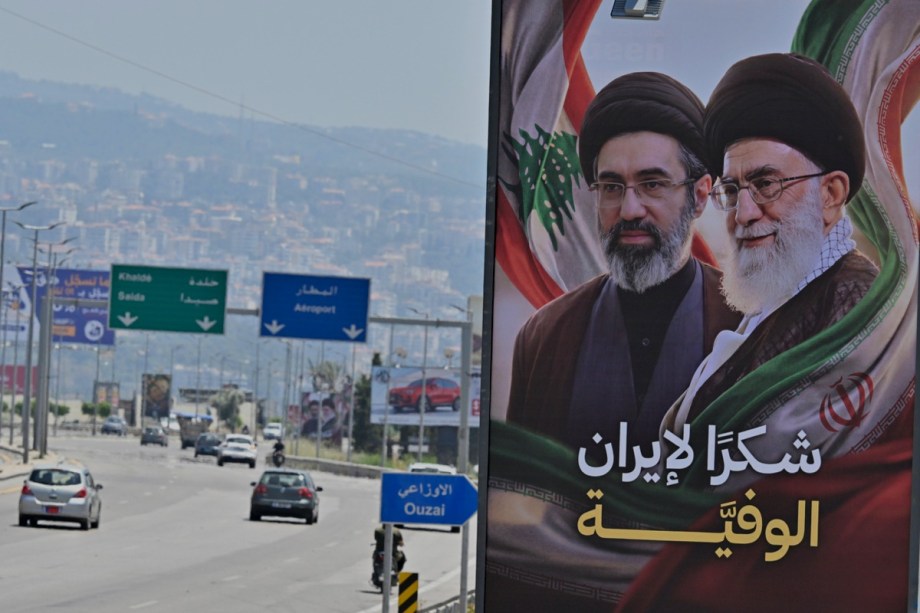
Iran's Supreme Leader Mojtaba Khamenei has urged Gulf rulers and Muslim leaders to identify their "real enemy" and unite against it, in a written message released on his Telegram account. Head Topics reports the statement, timed to the Prophet Muhammad's birthday, calls for mutual defense among Muslims and warns that divisions serve their adversaries. The message marks a rare public communication from Khamenei, who has not appeared publicly since suffering injuries from U.S.-Israeli airstrikes six months ago.
Khamenei Names the US and Israel as Primary Foe
Khamenei's statement explicitly identifies the United States and Israel as "the true enemy" of all Muslims, not just Iran. Middle East Monitor reports he called them "sworn enemies" of Islamic unity and accused them of working to divide the Muslim world. AAJ TV adds that Khamenei framed this conflict as a challenge facing "the entire Muslim community." The Supreme Leader emphasized that understanding adversaries' plans is the first step to confronting them effectively.
A Call for Unity Among Muslim Nations
The core message centers on the phrase "recognise your true enemy." LBC reports Khamenei urged Muslim leaders to identify adversaries, understand their strategies, and confront them together. He stressed that divisions among Muslim nations weaken them and serve Western interests. The statement reflects Iran's longstanding strategy of using religious and ideological appeals to build regional alliances and push back against perceived Western dominance in the Middle East.
Khamenei Avoids Public Appearance Six Months After Strikes
The written message via Telegram represents how Iran's leadership communicates without public appearances. Khamenei has not been seen in public since the U.S.-Israeli airstrikes six months ago caused injuries. Yahoo News notes this rare communication underscores his continued influence over regional strategy despite his absence from public view. Analysts say the statement signals Iran intends to shape Gulf politics and cross-border diplomacy through messaging campaigns aimed at building Muslim-world consensus against Western powers.
Regional Implications for Oil, Trade, and Alliances
The message carries weight in global energy markets given Iran's oil production role and influence over Persian Gulf shipping lanes. While no immediate policy changes were announced, analysts warn the statement could influence investment flows, diplomatic ties, and regional stability. A sustained push for Muslim unity against the US and Israel could reshape Middle East alliances and affect how Gulf states balance relationships with Tehran, Washington, and regional powers.
Sentiment
Mostly NegativeNEGATIVENEUTRALPOSITIVE
Publishers
35
Articles
103
Reach
138
A
AnonymousAuthor


