Fall Frost Garden Preparation
Gardeners Across Michigan, North Carolina, and Connecticut Prepare Their Plants for Approaching Frost
Anonymous
Key Points
1
By late October, Michigan asters may have faded to gray seed-head fuzz, with their stems beginning to lean toward the lawn after the bees have moved on.
2
Tender herbs such as basil, rosemary and lemongrass generally cannot tolerate even a light frost, although some hardier herb varieties can withstand more cold before being moved indoors.
3
Poorly prepared soil can cause North Carolina carrots to fork, twist or remain stunted; heavy, compacted and rocky soil are specifically identified as problems before planting.
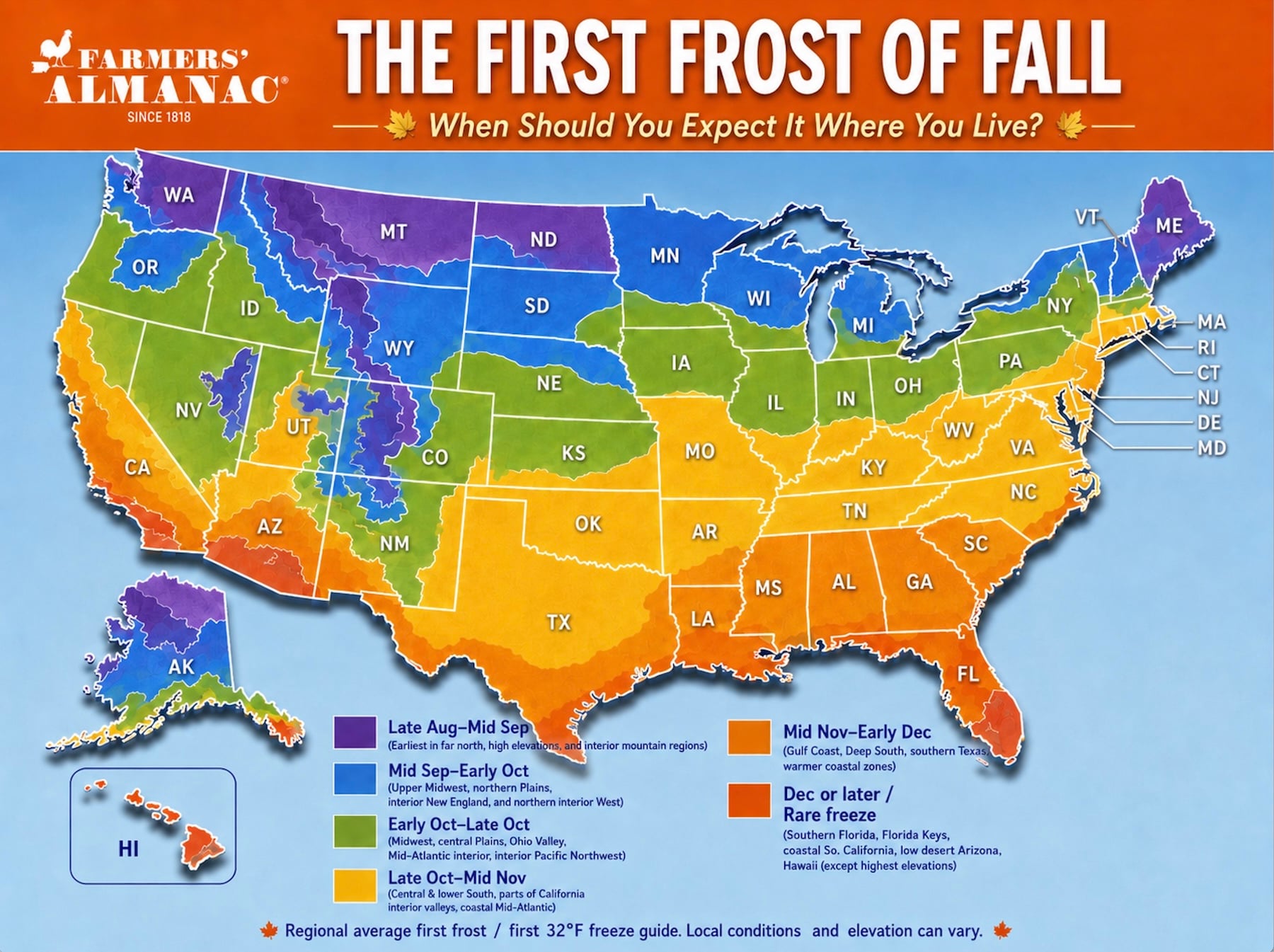
Gardeners across Michigan, North Carolina, and Connecticut are racing against frost to protect tender plants and prepare soil for colder months. Cassville Democrat reports that fall is the ideal time to address soil quality in raised beds, while Cape Gazette emphasizes securing herbs like basil and rosemary indoors before the first freeze arrives.
Michigan Gardeners Face Late-October Aster Fade-Out
By late October, Michigan asters have faded to gray seed-head fuzz, with their stems beginning to lean toward the lawn after bees move on. Lovina's Amish Kitchen notes that gardeners must decide whether to cut asters back or let them stand. The choice depends on personal preference and winter garden aesthetics.
Tender Herbs Must Move Indoors Before Frost Hits
Tender herbs like basil, rosemary, and lemongrass cannot tolerate even light frost and must be brought inside immediately. Cape Gazette reports that hardier herb varieties can withstand more cold before moving indoors. Gardeners should act fast—frost can arrive unexpectedly across all three states.
Connecticut Gardeners Preserve Tender Perennial Cuttings
Connecticut gardeners should collect cuttings from tender perennials before the first freeze arrives. New York Social Diary highlights regional gardening priorities as temperatures drop. Cuttings root indoors during winter and provide healthy plants for spring planting.
North Carolina Carrot Success Depends on Soil Prep
North Carolina gardeners replacing traditional fall mums with herbs must first fix their soil. Cassville Democrat warns that poorly prepared soil causes carrots to fork, twist, or remain stunted. Heavy, compacted, and rocky soil are the main culprits. Loose, rock-free soil is essential before planting.
Sentiment
Mostly PositiveNEGATIVENEUTRALPOSITIVE
Publishers
19
Articles
6
Reach
25
Topics
A
AnonymousAuthor