Red Sea Shipping Threat
Houthis Expand Control Over Red Sea Chokepoint and Threaten Global Energy Supplies
Anonymous
Key Points
1
The Hanish archipelago lies about 160 kilometres north of the Bab el-Mandeb, and the Houthis reportedly deployed there after hundreds of government-allied forces withdrew, suggesting the takeover faced limited resistance.
2
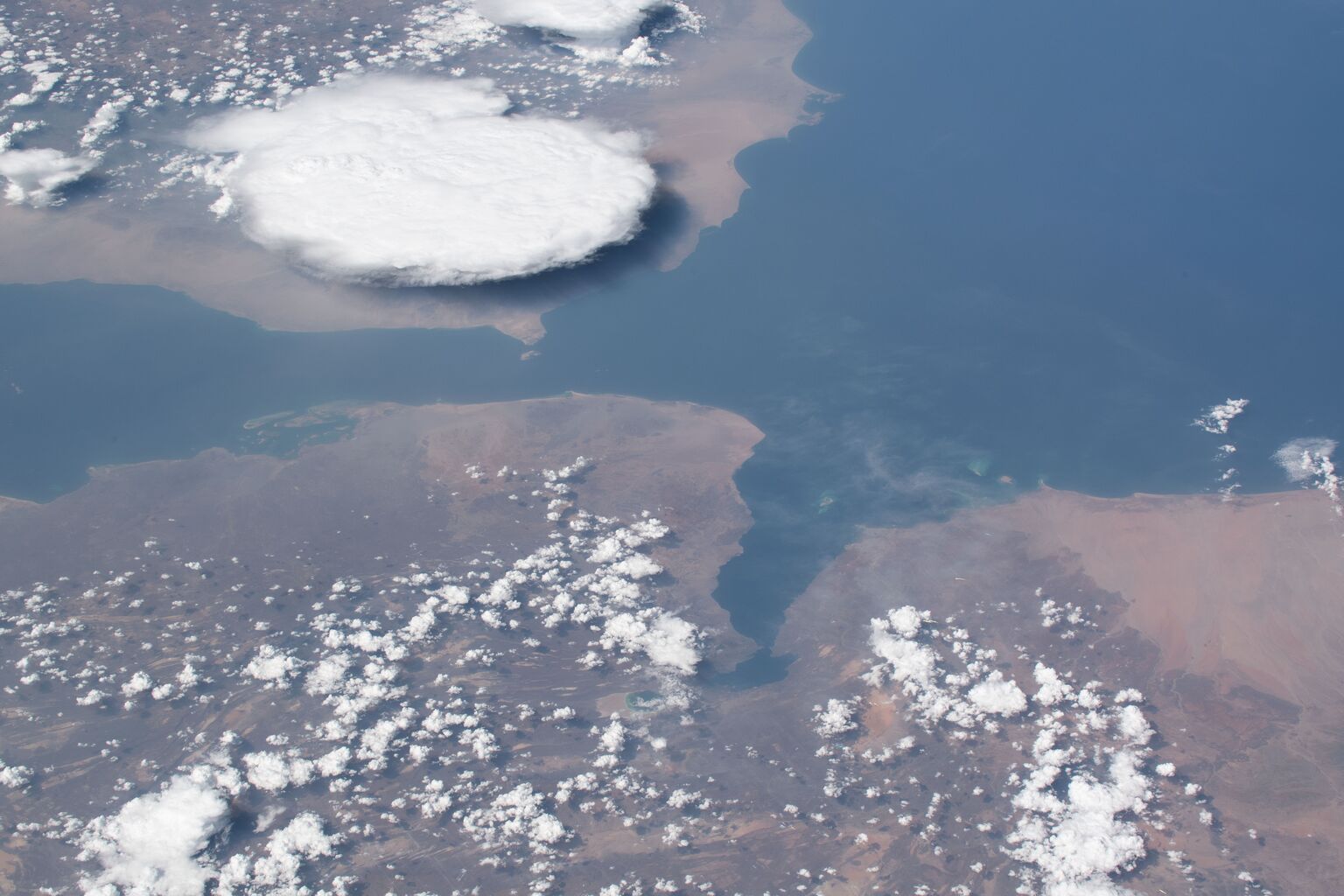
The Bab el-Mandeb connects the Indian Ocean to the Red Sea and provides access to cargo routes linking the region with the Mediterranean; its importance has increased because the Strait of Hormuz is under blockade.
3
Reuters-reported industry estimates indicated that Yanbu’s oil storage could sustain exports for only five to seven days, while estimates for restoring the damaged East-West pipeline ranged from less than a week to more than a month; the outage could affect roughly 4% of global supply.
4
A senior Yemeni military source said Houthi forces reached Mocha after a rapid, roughly 36-hour offensive involving waves of fighters, ballistic missiles and other weapons, while promised Saudi air support never arrived: “And Mocha has now fallen.”
5
Pakistan’s Prime Minister Shehbaz Sharif and Saudi Crown Prince Mohammed bin Salman agreed to remain in close contact and meet soon; Saudi Arabia also thanked Pakistan for its support and efforts to promote regional peace and stability.
Iran-aligned Houthi forces have seized control of key Red Sea islands and ports, tightening their grip on the Bab el-Mandeb Strait—one of the world's most critical shipping chokepoints. France24 reported that the Houthis captured the port of Mocha and the Hanish island archipelago after a rapid 36-hour offensive, following government forces' sudden withdrawal. The territorial gains threaten both Saudi Arabia's overland oil pipeline and global energy supplies.
The stakes are enormous: Reuters-reported industry estimates show Yanbu's oil storage can sustain exports for only five to seven days, while the damaged East-West pipeline could take less than a week to over a month to repair. The outage risks removing roughly 4% of global oil supply. The fighting has killed at least 500 people and displaced over 20,000, with both sides trading airstrikes and ground attacks across Yemen's western coast.
Houthis Launch Blitz to Capture Strategic Mocha
On September 10, 2026, Houthi forces opened a coordinated offensive using ballistic missiles, drones, and waves of infantry to overrun Mocha, Yemen's main Red Sea port. France24 reported that a senior Yemeni military source said the assault lasted roughly 36 hours. The government had promised air support—it never arrived. "And Mocha has now fallen," the source told the press.
The speed shocked observers. Hundreds of government-aligned fighters withdrew without a major fight, opening the door for Houthi naval units to deploy via motorboats. Within days, they secured Perim Island (also called Mayun) inside the Bab el-Mandeb Strait itself, then pushed north to seize the Greater and Lesser Hanish islands about 160 kilometers away.
Saudi Oil Pipeline Hit; Brent Crude Soars Past $104
On the same day Mocha fell, drone strikes blamed on Iraqi Iranian-backed militias hit Saudi Arabia's 1,200-kilometer East-West pipeline at six locations. Reuters reported that Saudi Arabia shut down the pipeline after satellite imagery confirmed multiple fires. The East-West route was built to bypass the Strait of Hormuz—which remains under blockade—and feeds crude to the Red Sea export terminal at Yanbu.
The timing is catastrophic. Reuters industry sources said Yanbu holds only five to seven days of crude in storage. If the pipeline stays offline for weeks, global markets face a shortage of 4% of worldwide oil supply. TS2 Tech reported that Brent crude jumped to $104.61 per barrel, up roughly 9% for the week. Analysts warned that prolonged downtime will severely tighten physical markets.
Why the Bab el-Mandeb Matters More Than Ever
The Bab el-Mandeb connects the Indian Ocean to the Red Sea and links cargo routes with the Mediterranean. Its importance exploded because the Strait of Hormuz—normally the world's top oil chokepoint—is now closed. ETV Bharat reported that India has expressed serious concern over Houthi attacks, warning they threaten regional stability and freedom of navigation through the strait.
By seizing Mocha, Perim, and the Hanish islands, the Houthis now have direct line-of-sight control over traffic passing through the strait. TS2 Tech noted that this position lets them disrupt shipping with anti-tank missiles, naval mines, and drones at low cost. Saudi Arabia and its allies face a dual squeeze: a damaged overland pipeline and a hostile force guarding the Red Sea alternative.
Pakistan Backs Saudi, Pledges Diplomatic Efforts
Pakistan's Prime Minister Shehbaz Sharif called Saudi Crown Prince Mohammed bin Salman to discuss the crisis. The two agreed to stay in close contact and meet soon. Pakistan pledged to work behind the scenes to ease tensions, while also reaffirming support for Saudi security and regional stability.
Meanwhile, China and regional partners condemned attacks on Saudi civilian and economic infrastructure. The Muslim World League expressed support for Riyadh. Despite diplomatic moves, fighting continues across Taiz, Al-Jawf, and Yemen's western coast—with casualties now exceeding 500 and displacement climbing past 20,000 civilians.
Sentiment
Mostly NegativeNEGATIVENEUTRALPOSITIVE
Publishers
144
Articles
515
Reach
659
A
AnonymousAuthor


