Sanctions Relief for Prisoners
Trump reportedly backs Russia prisoner-for-sanctions plan to ease trade and secure releases
Anonymous
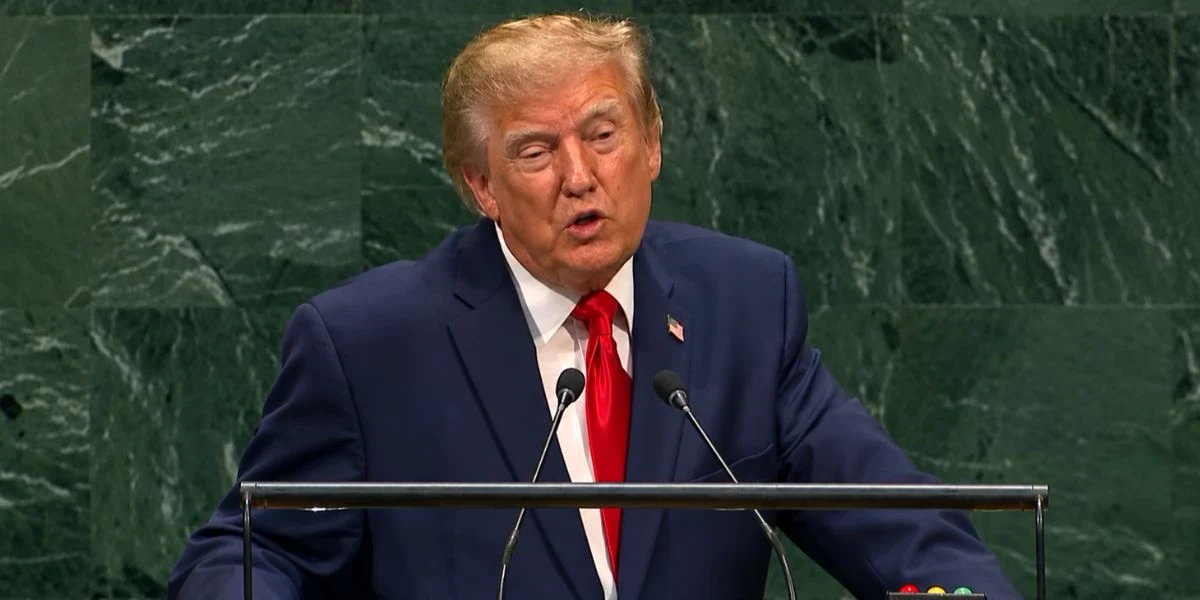
President Donald Trump has reportedly approved an early-stage proposal to ease some U.S. sanctions on Russia in exchange for the release of political prisoners, an approach advanced by his envoy to Eastern Europe, John Coale. The proposal could also open the door to U.S.-Russia business deals involving oil, diesel, rare earth minerals and other commodities, broadening engagement with Moscow while the war in Ukraine continues. Coale has pursued a similar model in Belarus, where prisoner releases were followed by limited U.S. sanctions relief and discussions of a potash deal. Critics and U.S. allies, particularly Ukraine and European countries, warn that easing sanctions or expanding trade could benefit Russia while its invasion continues; Ukrainian President Volodymyr Zelenskyy has said he would oppose lifting sanctions before the war ends. The reported plan has not been formally announced, and the scope and durability of any relief—and the response from Congress and European allies—remain uncertain.
Key Points
1
The proposed prisoner-for-sanctions arrangement comes shortly after Trump signed legislation expanding U.S. sanctions on Russia’s energy, defense and maritime sectors, highlighting the contrast between newly imposed measures and the reported possibility of easing some sanctions.
2
The Belarus negotiations may extend beyond a potash discussion: the White House was already negotiating a large-scale potash purchase, and Coale said Russia was also involved in those talks.
3
The proposal could serve Trump’s personal political ambitions as well as its diplomatic aims: one article says prisoner releases on humanitarian grounds could strengthen his bid to win the Nobel Peace Prize.
4
Any sanctions relief may be gradual and conditional rather than a single broad rollback; the form matters too, since executive measures such as general licences may be easier to reverse than sanctions written into legislation.
Sentiment
Mostly NegativeNEGATIVENEUTRALPOSITIVE
Publishers
10
Articles
5
Reach
15
A
AnonymousAuthor


