Typhoon Threatens Asian Games
Asian Games organizers prepare for Typhoon Dujuan ahead of the opening ceremony.
Anonymous
Key Points
1
The Games are operating without a traditional athletes’ village as a cost-saving measure; participants are instead being housed in temporary huts, hotels and the Costa Serena cruise ship.
2
The temporary accommodation has drawn complaints from several teams, including reports that some beds are too short and that there are insufficient rooms for all participants.
3
An unnamed sports federation official told The Asahi Shimbun, “All we can do is to pray that the worst-case scenario will not happen,” underscoring the uncertainty surrounding the storm’s potential impact on the cruise-ship accommodation.
4
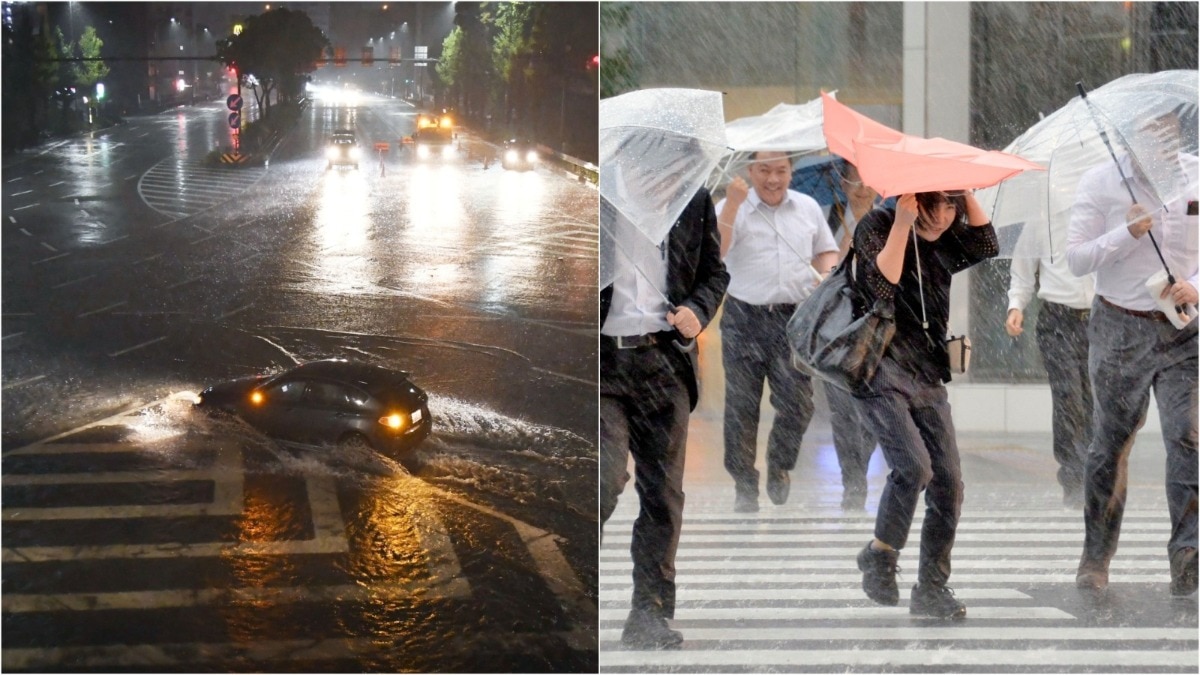
Nagoya received about 104 millimeters of rain in a single hour during last week’s deluge, prompting municipal authorities to issue an evacuation order for parts of the city.
5
The reports place the disruption in the context of Japan’s September–October typhoon season and note that scientists link human-induced climate change to more frequent and intense extreme weather in Japan and elsewhere.
The Asian Games in Aichi-Nagoya face major disruptions as Tropical Storm Dujuan barrels toward central Japan before Saturday's opening ceremony. Times of India reports the storm brings winds up to 90 kph, threatening to delay soccer, basketball, and volleyball matches and block spectator access. The threat compounds an already chaotic Games setup: over 17,000 athletes and officials are scattered across temporary huts, hotels, and the cruise ship Costa Serena — with about 4,000 people on the ship potentially requiring evacuation if conditions worsen.
Record rainfall last week already pounded the region, with Nagoya recording 104 millimeters in a single hour. India Today reports athletes could be temporarily evacuated if winds exceed 100 kph. At least one cricket match was abandoned, and train and school closures disrupted preparations. Organizers are monitoring the storm closely, but its exact path and impact on the competition schedule remain uncertain.
A Games Without a Traditional Athletes' Village
Cost-cutting forced organizers to abandon the typical athletes' village. Instead, Outlook India notes that 17,000+ competitors are split across three types of housing: temporary huts, scattered hotels, and the Costa Serena cruise ship. This unconventional setup has sparked complaints from teams. Some athletes report beds too short for their frames and insufficient rooms for all participants. The arrangement leaves organizers scrambling to manage logistics during a crisis.
Cruise Ship Residents Face Relocation Risk
About 4,000 athletes and officials are housed aboard the Costa Serena, making them the most vulnerable to Dujuan's approach. India Times reports these cruise-ship residents could require emergency relocation if the storm intensifies. An unnamed sports federation official told The Asahi Shimbun, "All we can do is to pray that the worst-case scenario will not happen." The comment underscores the fragility of preparations and organizers' limited ability to control the situation.
Extreme Weather Already Derailing Events
The deluge that preceded Dujuan's arrival has already caused chaos. Daily Hunt reports that cricket, soccer, basketball, and volleyball competitions have been disrupted or canceled. Nagoya's evacuation order for parts of the city shows how severe the initial rainfall was. Japan's September-October typhoon season compounds the risk. Scientists link intensifying extreme weather in Japan to human-induced climate change, suggesting such disruptions may become more common at future Games.
Sentiment
Mostly NegativeNEGATIVENEUTRALPOSITIVE
Publishers
14
Articles
51
Reach
65
Topics
A
AnonymousAuthor


