Atlantic Migration Tragedy
Over 80 Feared Dead After Migrant Boat Spends Weeks Adrift Off Gran Canaria
Anonymous
Key Points
1
Inscriptions found on the hull reportedly matched a vessel that left The Gambia on August 7, though other reports place the departure from North Africa, illustrating conflicting origin details about the voyage.
2
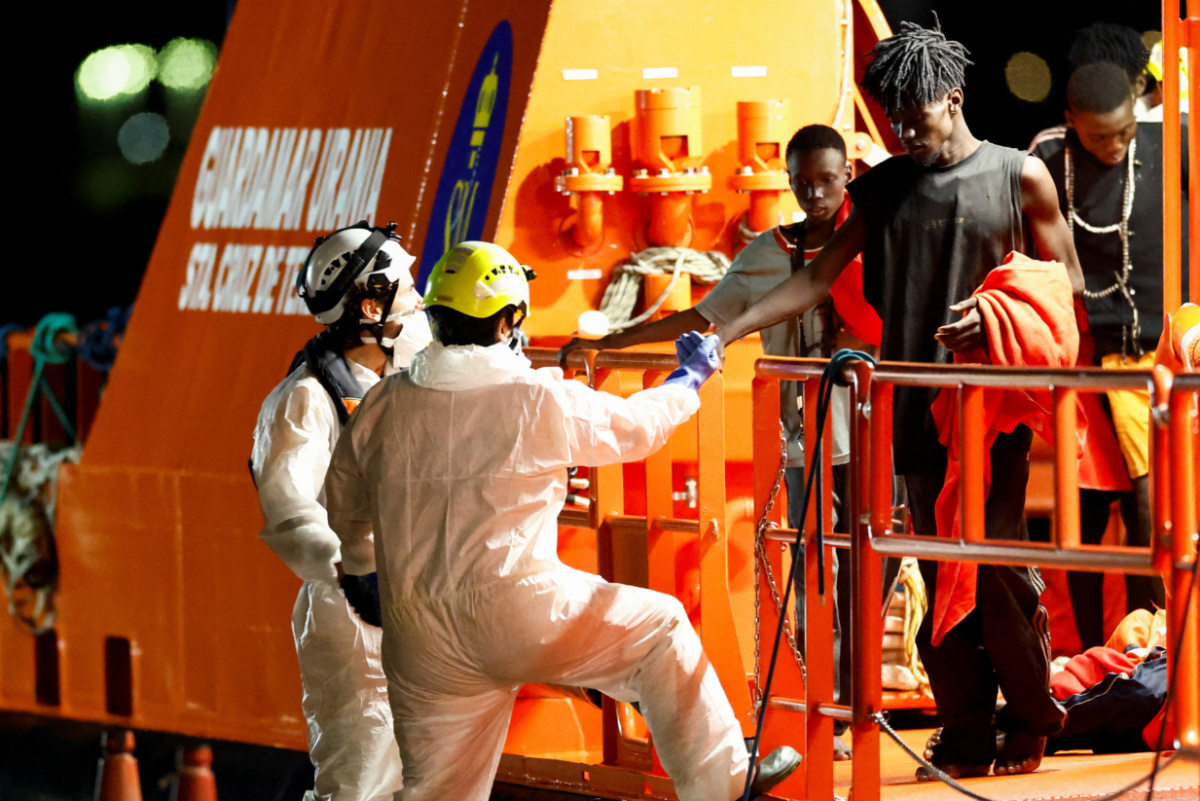
Rescue operations recovered 44 survivors, all men from Sub-Saharan Africa; three survivors in serious condition were airlifted to hospital, while the remaining evacuees were transported to Arguineguín. Rights group Caminando Fronteras notes four women and a newborn were also on board.
3
The vessel was located roughly 65 nautical miles southwest of Gran Canaria (with some reporting about 120 kilometers southeast of Gran Canaria) amid rough seas, with waves reaching about 2.5 meters that hindered recovery efforts.
4
Death tolls remain contested: survivors and rights groups have cited about 83 deaths (including a baby and three women), while maritime authorities have confirmed only five bodies recovered, underscoring challenges in documenting fatalities at sea.
A migrant boat adrift for 26 to 27 days off Spain's Canary Islands has claimed an estimated 80 lives, though only five bodies have been recovered so far. ABC News reports that 44 survivors were rescued from the vessel, which departed from The Gambia with about 127-128 people on board. The death toll reflects the deadly Atlantic crossing from West Africa to Europe, where rough seas and weeks without rescue create fatal conditions for vulnerable migrants.
Survivors told rescuers that roughly 83 people died during the journey, including a baby and three women, NY Breaking reports. The actual number remains uncertain and difficult to verify at sea. Canary Islands regional leader Fernando Clavijo called for a formal national migration policy in response, warning that 'the Atlantic must not be treated as a death trap.'
Vessel Found After Nearly a Month Adrift
Spain's Maritime Rescue Service located the overcrowded boat roughly 65 nautical miles southwest of Gran Canaria, Sight Magazine reports. The journey lasted 26 to 27 days in rough seas, with waves reaching approximately 2.5 meters that made rescue operations extremely difficult. Inscriptions on the hull suggested the vessel departed from The Gambia on August 7, though some reports place the departure from North Africa, leaving conflicting details about the voyage's origin.
Majority of Rescued Survivors Are Men
All 44 survivors rescued were men from Sub-Saharan Africa, ABC News reports. Three survivors in the most serious condition were airlifted to hospitals, while the remaining 41 were transported to Arguineguín for processing. Rights group Caminando Fronteras noted that four women and a newborn were also aboard the vessel, though their survival status remains unclear given the death toll reports.
Confirmed Deaths vs. Reported Toll Gap Grows
Maritime authorities have confirmed only five bodies recovered from the boat, Sight Magazine reports. However, survivors and aid groups cite roughly 83 deaths, including a baby and three women, according to NY Breaking. This wide gap between confirmed deaths and survivor accounts reflects the challenge of documenting fatalities when boats sink in the ocean or bodies are lost to the sea.
Atlantic Route Remains Deadliest Migration Path
The Canary Islands crossing from West Africa is among Europe's most dangerous migration routes. Migrants face weeks at sea with limited water and food, unpredictable weather, and vessels often in poor condition. This tragedy underscores how the Atlantic route kills far more people than Mediterranean crossings, yet receives less international attention and fewer rescue resources.
Sentiment
Mostly NegativeNEGATIVENEUTRALPOSITIVE
Publishers
17
Articles
47
Reach
64
Topics
A
AnonymousAuthor


