Ceuta Migrant Border Crisis
Spain, EU Fortify Ceuta Border Amid Mass Migrant Returns, Humanitarian Crisis
Anonymous
Key Points
1
France deployed four mobile units, along with aircraft and drones, to strengthen border controls on the France–Spain border near Ceuta. Macron said he had coordinated with Spain and Morocco, noting that Morocco's cooperation has already enabled more than 40,000 returns from Ceuta to Morocco and that assistance includes actions under Frontex and EU tools.
2
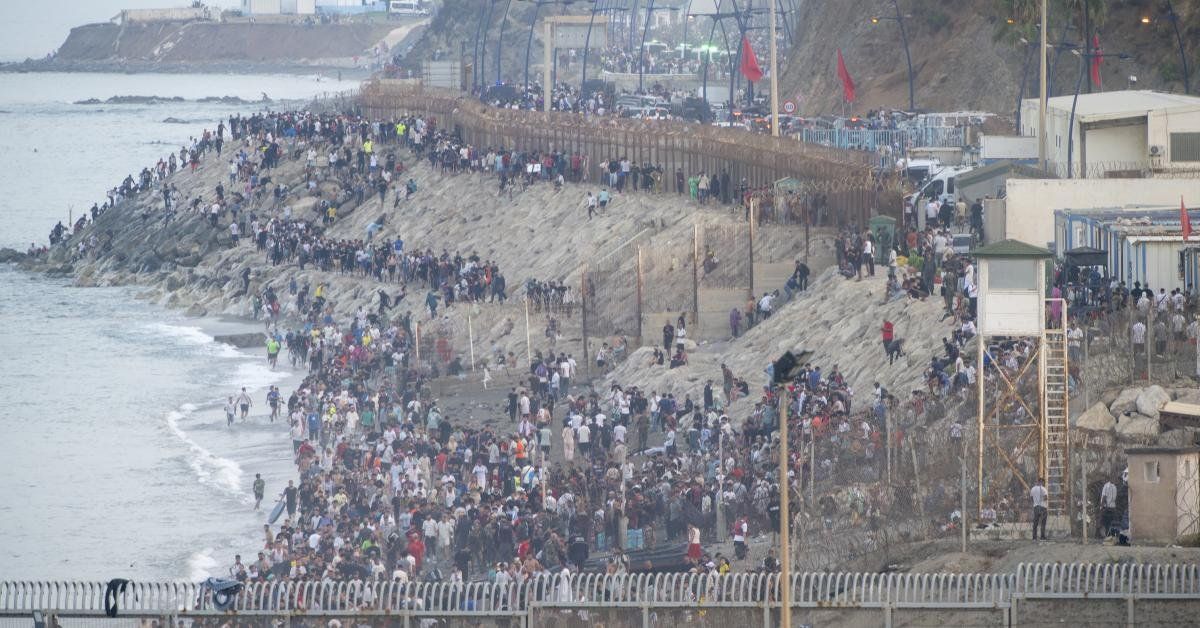
Official figures indicate a humanitarian toll: nearly 60,000 migrants crossed into Ceuta since Thursday, with at least 57 deaths reported—caused by drowning or trampling as crowds overwhelmed border facilities—while many entrants were young men and some lacked food and shelter.
3
Italy indicated it would suspend parts of the EU Schengen border-free regime with Spain in response to the Ceuta surge, a move Madrid criticized as contrary to EU rules and which underscores divergent national responses within the bloc.
4
Moroccan security forces used batons and tear gas to disperse crowds attempting to enter Ceuta, while Spanish border forces were deployed, and many migrants were returned through official crossings as part of ongoing containment efforts.
5
The incident highlights that Ceuta and Melilla are the European Union's only land borders with Africa, illustrating the geographic and policy stakes inherent in managing irregular migration to the bloc.
Spain deployed its military to Ceuta after nearly 60,000 migrants crossed the border from Morocco in just days, triggering one of the largest border surges in European history. At least 57 people died — from drowning or being trampled — as crowds overwhelmed border facilities, according to CBC.
Spain's Prime Minister Pedro Sánchez ordered troops in to restore order, while Morocco and Spain worked together to push migrants back. More than 40,000 people have already been returned to Morocco, according to Daily Wire.
France Sends Troops and Drones to Spain's Border
French President Emmanuel Macron ordered four units of mobile forces, plus aircraft and drones, to the France–Spain border. Macron said he coordinated directly with Spain and Morocco before acting. Daily Wire reported that France framed the move as a show of solidarity with Spain amid the growing crisis.
Macron noted that Morocco's cooperation has been key to managing the surge. The returns of over 40,000 migrants relied heavily on joint coordination. France also pointed to Frontex — the EU's border agency — and other EU tools as part of the broader response.
Moroccan Forces Use Batons and Tear Gas at the Fence
On the Moroccan side of the border, security forces used batons and tear gas to stop crowds from crossing into Ceuta. Spanish border forces were also deployed at official crossings. Migrants were turned back in large numbers as part of the containment effort, according to Fox News.
The head of Ceuta's Civil Guard union described the scene as "absolute chaos," according to CBC. Many of those who crossed were young men. A significant number arrived without food or shelter, straining local resources in the small Spanish enclave.
Italy Suspends Schengen Rules, Spain Pushes Back
Italy said it would suspend parts of the EU's Schengen agreement with Spain — the rules that allow free movement across European borders — in response to the Ceuta surge. Spain pushed back hard, calling the move contrary to EU rules. The clash showed how divided European nations are on handling the crisis.
Sweden's Prime Minister Ulf Kristersson also weighed in. He urged Spain to "regain control" of the situation, according to Yabiladi. Kristersson said Sweden was prepared to act if conditions got worse. The statements from Italy and Sweden reflect a broader European frustration with the pace of Spain's response.
Ceuta Is Europe's Only Land Border With Africa
Ceuta and its sister enclave Melilla are the only places where the European Union shares a land border with Africa. That geography makes them a focal point for migrants trying to reach Europe. Americas Voice reported that Spain mobilized military forces specifically to restore order after migrants stormed the border fence.
The crisis has reignited debate across EU capitals about border security. Leaders are now calling for firmer enforcement of returns and tighter border policing along Schengen borders. The events in Ceuta have made clear that migration pressure on Europe's southern edge is not easing — it is growing.
Sentiment
Mostly NegativeNEGATIVENEUTRALPOSITIVE
Publishers
27
Articles
52
Reach
79
Topics
A
AnonymousAuthor


