Intoxication Consent Loophole
Cornell Rape Investigation Revives Debate Over New York Intoxication Consent Laws
Anonymous
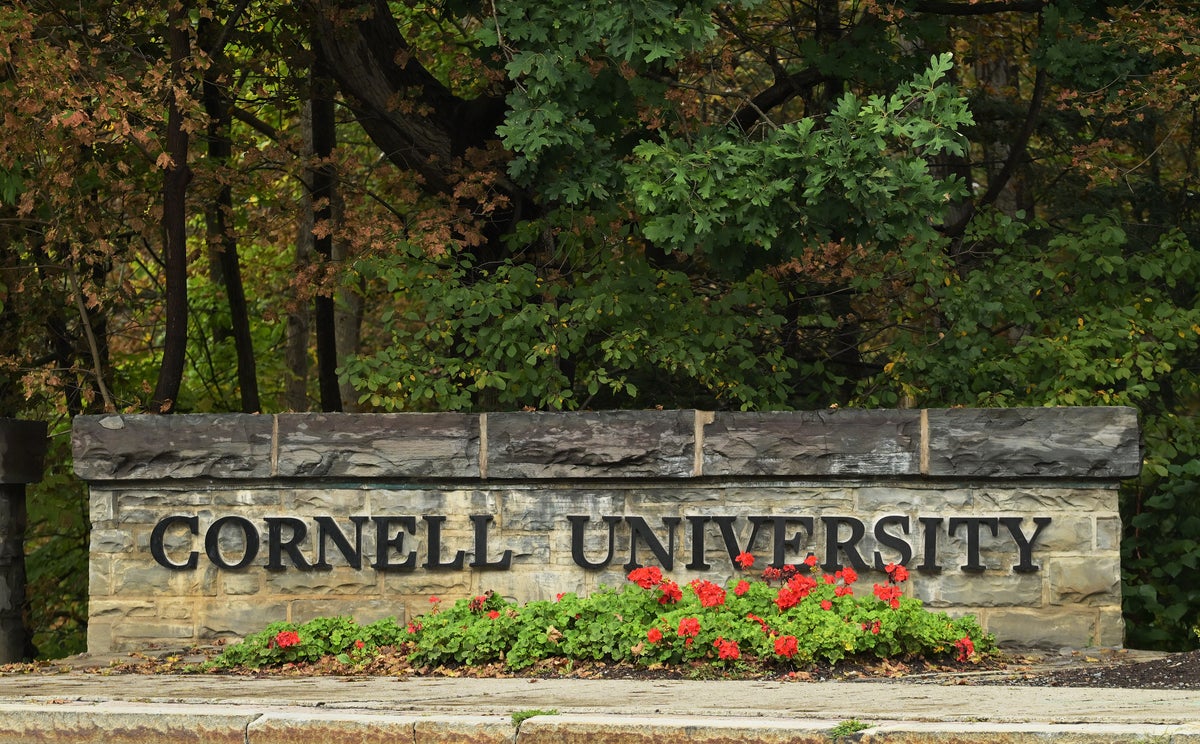
A sexual assault case at Cornell University is exposing a major gap in New York's rape laws. CBS News reports that a woman's account of being attacked at a fraternity house has drawn attention to what legal experts call a dangerous loophole. The law allows prosecutors to struggle with cases where the victim was voluntarily intoxicated — even if they were too drunk to consent to sex.
Tompkins County District Attorney Matthew Van Houten initially decided not to file criminal charges in the Cornell case, a decision that sparked outrage. AP News found that New York lawmakers have considered bills to fix this problem for years, but progress has stalled. Advocates and district attorneys support change, but the law remains unchanged.
How New York's Law Creates a Prosecution Problem
New York's current law distinguishes between victims based on how they got drunk. CNN explains that if someone voluntarily became intoxicated, prosecutors face major barriers when building a rape case. The law essentially requires proving the victim's intoxication did not exist — a nearly impossible task.
This legal gap means attackers can target someone they know is too drunk to refuse. New York Post reports the 'voluntary intoxication' loophole protects perpetrators who deliberately seek out incapacitated victims. It's a flaw that district attorneys have flagged as dangerous for years.
Why the Cornell Case Sparked National Attention
The alleged gang rape at Cornell involved seven men accused in a civil lawsuit. KSL reports that outrage over the initial lack of criminal charges prompted new calls to revise New York's sexual assault statutes. The case made clear that the current law fails women who are intoxicated.
The victim, identified as Jane Doe, alleges she was assaulted at a fraternity house in 2024. US News notes that some lawmakers now want to make it easier to prosecute cases involving intoxicated victims. The Cornell case became the catalyst for renewed scrutiny of a problem advocates have raised for years.
Lawmakers Push for Change, But Progress Remains Stalled
Boston Globe reports that New York state lawmakers are urging a revamp of the state's sexual assault statutes. Bills designed to close the loophole have gained support from prominent district attorneys and advocates across the state.
Despite backing from law enforcement officials, these reform efforts have repeatedly stalled in the legislative process. Miami Herald found that momentum builds after high-profile cases like Cornell, but sustained change hasn't happened. Advocates say the next session may finally push reform across the finish line.
Sentiment
NeutralNEGATIVENEUTRALPOSITIVE
Publishers
13
Articles
12
Reach
15
A
AnonymousAuthor


