Boosting Dairy Farm Efficiency
Ulster dairy producers spotlight farm efficiency and technology to combat rising costs.
Anonymous
Key Points
1
The Northern Ireland farm’s 240-cow herd averaged 9,361 litres per cow in 2025/26, with 4.50% butterfat and 3.40% protein, producing 762kg of milk solids per cow; milk from forage averaged 2,603 litres per cow.
2
The Workman farm supplies milk to Marks & Spencer and runs with one full-time labour unit, supported by a Greenmount student; it also vaccinates the herd against BVD, IBR and leptospirosis.
3
IHFA’s grade-up service gives farmers a three-step route to bring commercial cows to full pedigree status. Its HerdStrategy programme scores cows across more than 20 traits and costs €100 per stage.
4
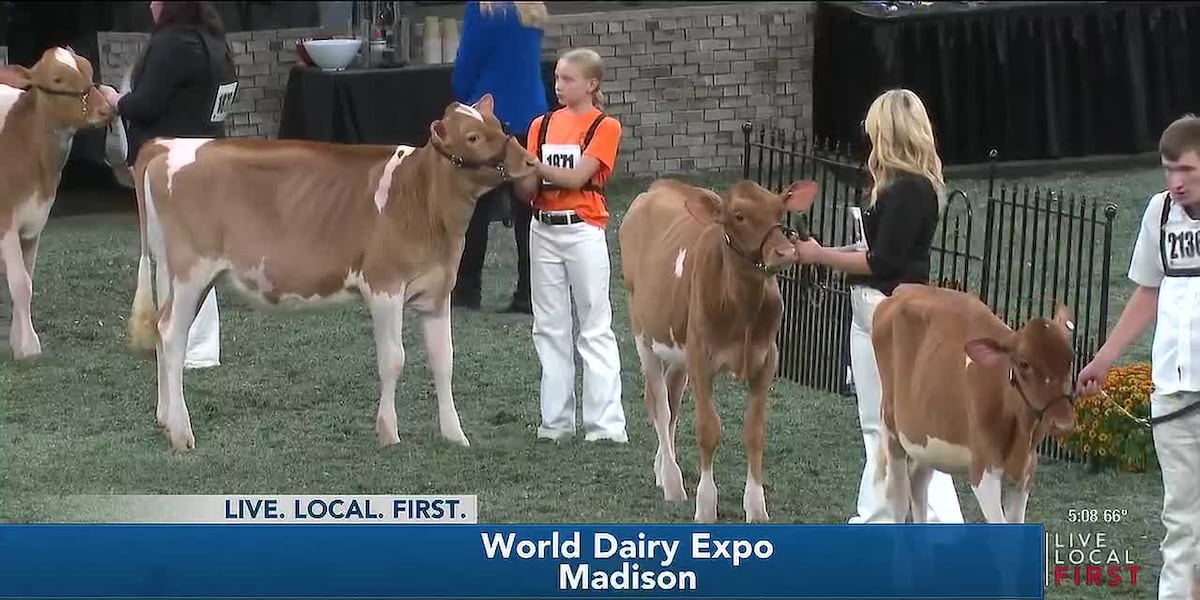
At the international exhibition, commercial herds from more than 35 U.S. states and Canadian provinces compete in conformation evaluations, which can influence trade in bovine semen, frozen embryos and replacement breeding stock.
Northern Ireland dairy farmers are turning to precision feeding, rotational grazing, and herd monitoring to cut costs and boost milk quality as labor and feed expenses squeeze margins. The Workman farm in Ulster demonstrates the model: a 240-cow herd producing 9,361 liters per cow annually with strong milk solids of 762kg per cow, all while running with just one full-time worker and supplying premium milk to Marks & Spencer.
Across the dairy industry, efficiency has become essential. Holstein Friesian Association in Ireland is pushing genomic evaluations and breeding analysis to help farmers select animals for better productivity, fertility, and lifespan. Meanwhile, international dairy exhibitions showcase automated milking systems and elite genetics as breeders and processors focus on milk components and quality for specialized products.
How Workman Farm Cuts Costs With Smart Grazing
The Workman family operates a 440-acre all-grass farm using rotational grazing and forage analysis to maximize production from pasture. Their 240-cow herd achieved a 375-day calving interval — meaning cows get pregnant and produce calves on a tight, efficient schedule. Milk from forage alone averaged 2,603 liters per cow, showing the power of grass-based systems.
The farm milks for quality, hitting 4.50% butterfat and 3.40% protein in 2025/26. They also vaccinate against three major diseases: BVD, IBR, and leptospirosis. A Greenmount student helps the one full-time worker manage the operation, keeping labor costs low while meeting strict food safety standards for their Marks & Spencer supply agreement.
Ireland's Genomic Tool Helping Farmers Pick Better Animals
The Holstein Friesian Association launched two programs to help Irish dairy farmers breed smarter herds. The grade-up service lets farmers take commercial cows and move them to full pedigree status in three steps. HerdStrategy scores cows on more than 20 traits — from milk yield to fertility to longevity — for €100 per stage.
These tools help farmers balance multiple goals at once. Instead of breeding only for maximum milk volume, farmers can now select animals that also get pregnant reliably and stay healthy longer. This shifts the focus from raw output to sustainable, profitable production over a cow's lifetime.
Global Shows Reveal Boom in Automated and Precision Tech
Elite dairy genetics dominated the World Dairy Expo, where thousands of registered cattle from over 35 U.S. states and Canadian provinces competed in conformation evaluations. These shows influence international trade in bovine semen, frozen embryos, and breeding stock. Automation — from robotic milkers to herd-monitoring systems — is now standard on display floors worldwide.
Virtual farm tours at the Expo, running for 25 years, now connect nearly 200 farms globally and help thousands of farmers learn from peers worldwide. Processors and dairy companies are emphasizing milk components and quality standards needed for specialty products like branded yogurts and premium cheese — pushing all farms toward higher standards.
Sentiment
Mostly PositiveNEGATIVENEUTRALPOSITIVE
Publishers
12
Articles
3
Reach
15
Topics
A
AnonymousAuthor


