Protecting Bird Biodiversity
New Research Reveals How Forest Canopies Shape Vulnerable Bird Communities in Peru
Anonymous
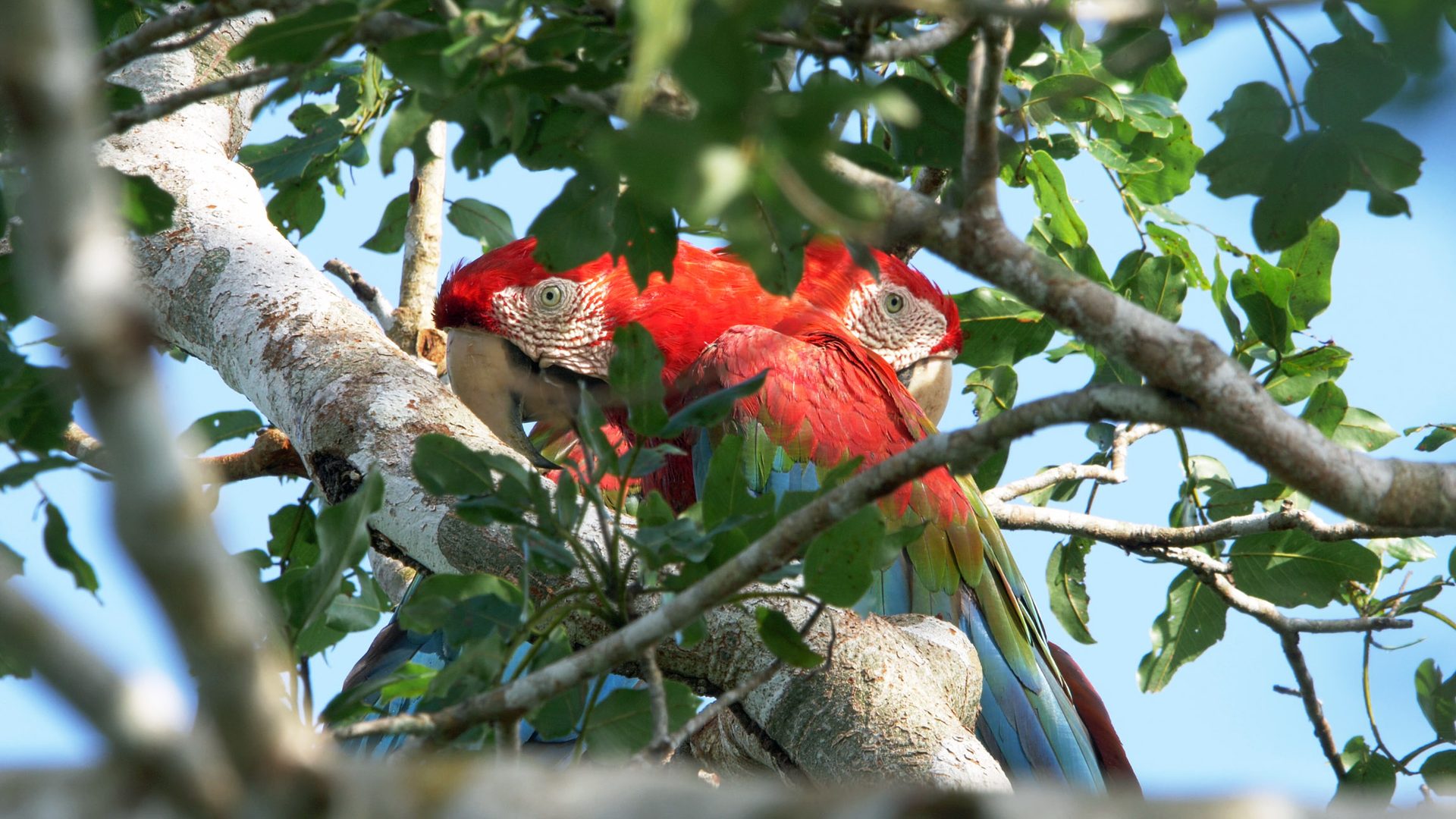
Researchers studying Indonesian birds say species counts alone miss important evolutionary relationships, and use measures of shared ancestry to better assess biodiversity and guide conservation. A separate study in Peru found that forest types identified by canopy leaf traits tend to support bird communities with different body sizes, breeding patterns and exposure to human pressures, though its maps show species’ ranges rather than local population numbers. As fall migration unfolds, Maine observers are seeing insect-eating birds depart quietly while seed-eaters gather in visible flocks; many southbound migrants are also harder to identify because juveniles and molting adults wear subdued plumage. In Fort Worth, officials urge residents and businesses to reduce unnecessary nighttime lighting during migration, since artificial light can disorient birds and increase collision risks.
Key Points
1
The Indonesian bird study assessed 422 species across 1,410 sites and used three measures of evolutionary relationships: total evolutionary branch length (Phylogenetic Diversity), average pairwise relatedness (MPD), and distance to each species’ closest relatives (MNTD).
2
In Peru, airborne instruments mapped seven leaf traits—including nutrients, water, defensive chemicals and leaf thickness—at roughly one-hectare resolution, sorting forests into 36 classes grouped into six broad types.
3
Fall migrants are difficult to identify partly because many are juveniles in camouflage-like first-fall plumage; adult warblers often travel more directly and pass through earlier, while inexperienced young birds linger longer and follow landmarks.
4
Fort Worth’s Lights Out guidance recommends turning off or dimming outdoor lights from 11 p.m. to 6 a.m., closing curtains, limiting landscape lighting, and using timers or motion sensors; the initiative is led by the National Audubon Society and Texan by Nature.
Sentiment
Mostly NegativeNEGATIVENEUTRALPOSITIVE
Publishers
8
Articles
5
Reach
13
Topics
A
AnonymousAuthor


