New Bolivian Cat Species Discovered
Scientists identify first new cat species in a century in Bolivia's cloud forests.
Anonymous
Key Points
1
The researchers analyzed complete genomes from 38 individuals in the Leopardus genus, including 26 tiger cats collected across their known South American range.
2
The tilcayo was previously classified as a northern tiger cat but genetically diverged from other Leopardus species about 1.4 million years ago; its name comes from the local term for the animal.
3
Tiger cats are not closely related to tigers; they belong to the Leopardus genus, which also includes ocelots, margays and kodkods. Their similar spotted or striped coats and nocturnal, elusive behavior have made the species difficult to distinguish by appearance alone.
4
The discovery follows a major revision of tiger-cat taxonomy: species that had been grouped under Leopardus tigrinus were separated into additional species, including the southern tiger cat in 2013, Leopardus emiliae in 2017 and the clouded tiger cat in 2024.
5
Researchers say the tilcayo’s discovery was prompted in part by conservationist Paola Nogales-Ascarrunz noticing that a rescued cat at Bolivia’s Senda Verde refuge was unusually small and did not resemble other tiger cats; the captive male, Tigrino, became the species’ type specimen.
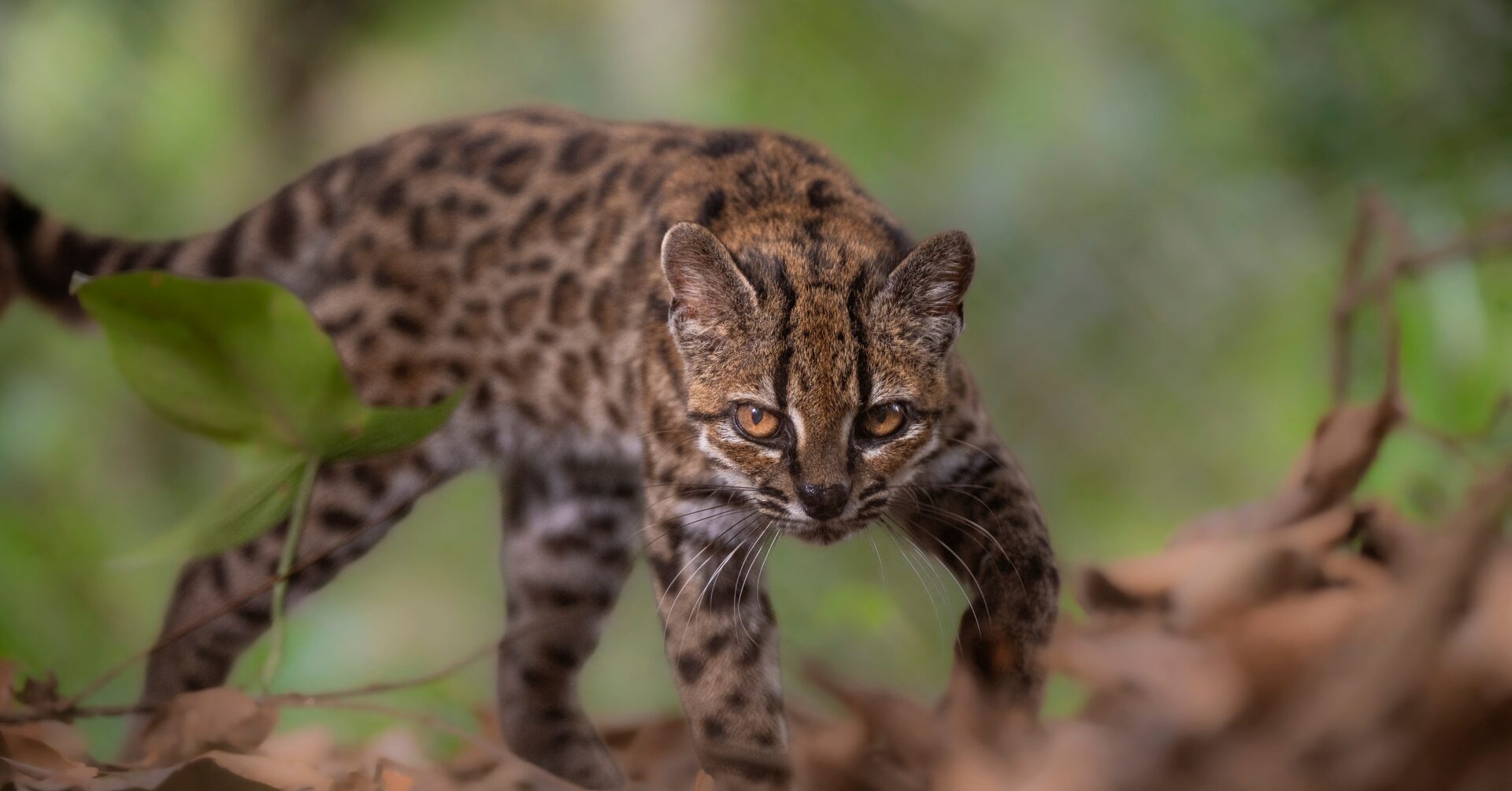
Scientists have discovered Leopardus tilcayo, a tiny wild cat living in Bolivia's cloud forests. It is the first new cat species formally named in more than 100 years, according to Reuters. The tilcayo weighs just 3 to 4 pounds—smaller than a house cat—and was hiding in plain sight, misidentified as a different tiger cat species until genetic testing revealed the truth.
Researchers analyzed the DNA of 38 individual cats across South America and found that what scientists thought was one tiger cat species was actually five separate species. The discovery rewrites the family tree of these elusive nocturnal hunters and could help protect them as their forest homes face threats from farming and development.
How Scientists Missed a Whole Species
Tiger cats are small, spotted, and incredibly hard to tell apart by sight alone. For decades, the tilcayo was grouped with the northern tiger cat under one scientific name. But when conservationist Paola Nogales-Ascarrunz rescued a tiny male cat at Bolivia's Senda Verde refuge, something seemed off. The cat, later named Tigrino, looked different and much smaller than other tiger cats she had seen.
DNA testing proved she was right. The tilcayo split from its closest relatives about 1.4 million years ago, making it genetically distinct enough to be its own species. The name tilcayo comes from what local people in Bolivia call the animal, connecting the scientific discovery to the communities living alongside these cats.
Tiger Cats Are Not What You Think
Despite their name, tiger cats have nothing to do with tigers. They belong to the Leopardus genus, a group of small South American cats that includes ocelots, margays, and kodkods. Most are spotted or striped, hunt at night, and stay hidden from humans. Their similar looks made it nearly impossible for scientists to separate the species without modern genetic tools.
This genetic revolution is recent. The northern tiger cat was split into multiple species starting in 2013, when researchers identified the southern tiger cat as distinct. Since then, Leopardus emiliae was named in 2017 and the clouded tiger cat in 2024. The tilcayo is the latest piece of a puzzle scientists are still assembling.
A Mystery Cat Living in Cloud Forests
The tilcayo lives in Bolivia's Yungas cloud forests, a region where mist-covered mountains create unique habitat found nowhere else on Earth. Scientists know almost nothing about the wild population. Only two living tilcayos have been documented—Tigrino in captivity and one other individual—leaving researchers uncertain how many exist in the wild today.
The cats' forest home is shrinking. Agriculture and development are chopping up the Yungas, pushing many species toward extinction. The formal recognition of the tilcayo as its own species means conservationists can now develop specific protection plans. Understanding which cats live where is the first step to saving them before they vanish.
Sentiment
Mostly NegativeNEGATIVENEUTRALPOSITIVE
Publishers
64
Articles
200
Reach
264
A
AnonymousAuthor


