Rare August Eclipse
First Total Solar Eclipse in Over a Century Sweeps Spain, Iceland, Greenland This August
Anonymous
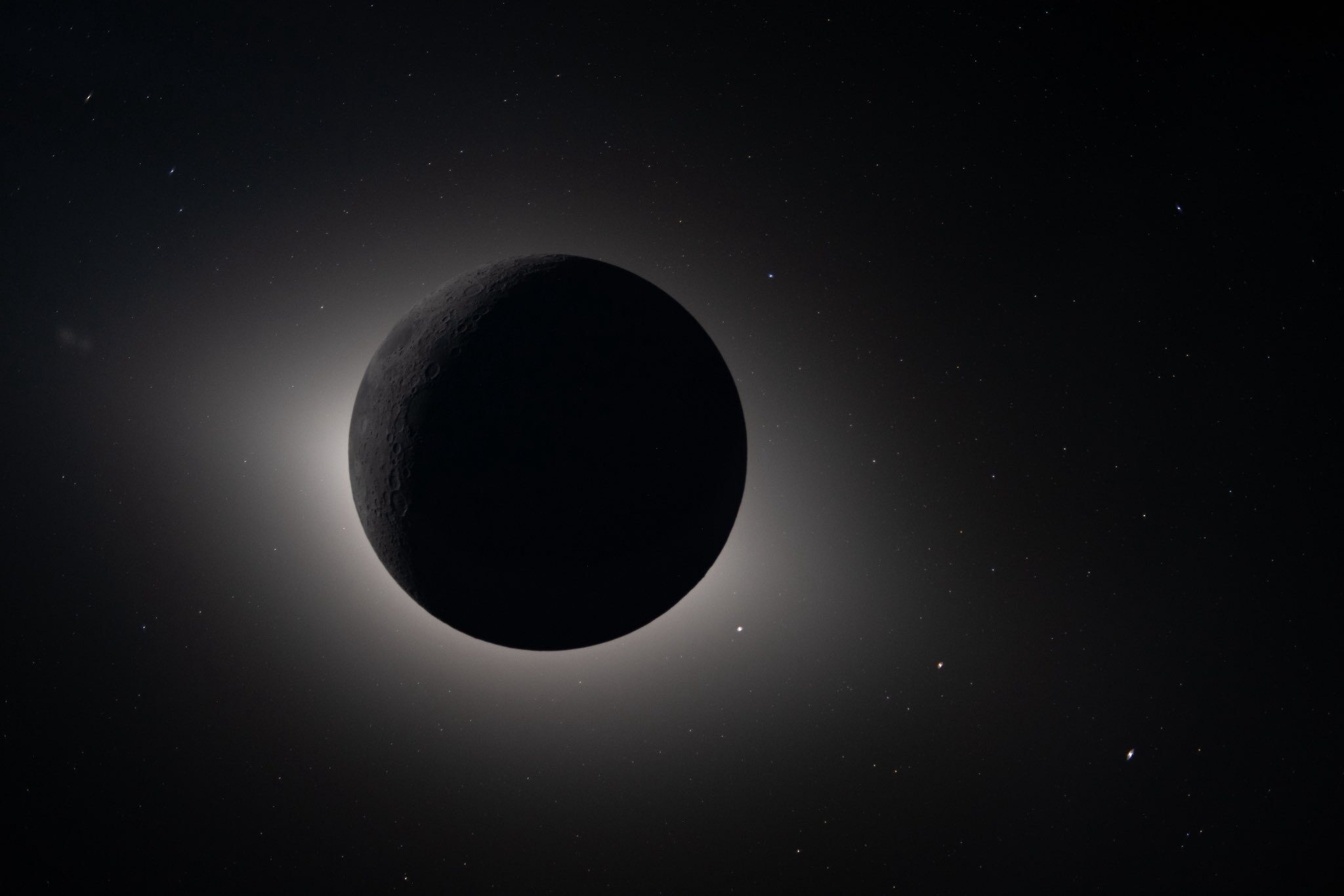
A total solar eclipse will sweep across Spain, Iceland and Greenland on August 12, marking the first time in over 100 years that the moon's shadow has fallen over mainland Spain, according to WTOP. The eclipse path will stretch 5,130 miles (8,260 kilometers), with totality — when the sun is completely blocked — lasting up to two minutes and 18 seconds.
A partial eclipse will also be visible across a much wider region, including Canada, the northern United States, Europe and West Africa, and as far as Alaska and Siberia, WBAL reported. The event marks the beginning of a two-year European eclipse season, with an even longer one coming the following summer.
The Eclipse Path Across Spain, Iceland and Greenland
The moon's shadow, known as the umbra, will take about one and a half hours to travel the full 5,130-mile path, according to SFGate. It will begin over the North Atlantic and sweep across slivers of Greenland and Iceland before reaching the Iberian Peninsula. Spain's landmass sits in the prime viewing zone.
Totality will last up to two minutes and 18 seconds for viewers along the center of the path, KTBS reported. The eclipse takes place near the summer season, meaning parts of the far north will experience an unusual daytime darkness during a time of year that normally sees almost no night at all.
Spain Gets Its First Mainland Eclipse in a Century
Mainland Spain has not seen a total solar eclipse in over 100 years. That long wait ends on August 12, making this a landmark event for European astronomy, according to WWLTV. The Iberian Peninsula is the largest landmass in the path of totality, giving millions of people a chance to witness the full effect.
Daytime darkness will descend on Spanish cities along the eclipse track, KDH News reported. Spain is already preparing for a surge in visitors. The European Space Agency will host a public celebration in León, a city in northern Spain that sits inside the path of totality.
ESA and NASA Plan Live Coverage and Public Events
The European Space Agency will stream a live webcast from Spain's Astrophysical Observatory of Javalambre, according to Click Orlando. NASA will also provide its own coverage of the event. Both agencies want to make the eclipse accessible to people who are not in the path of totality.
The public celebration in León will give sky-watchers a place to gather and watch together, Winnipeg Free Press reported. Scientists will use the event to study the sun's outer atmosphere, called the corona, which is only visible during totality when the moon fully blocks the sun's bright surface.
A Six-Minute Encore Eclipse Is Already Scheduled for 2026
August 12 is just the opener. The following summer, a second total solar eclipse will cross Spain and extend into North Africa and the Middle East, WWLTV reported. That eclipse will last a remarkable six and a half minutes — nearly three times longer than this year's event.
The back-to-back eclipses make Spain one of the best places on Earth to be over the next two years for astronomy fans. News4Jax noted that the August 12 event will also be followed by a six-planet parade visible in the sky on the same day as the 2024 total solar eclipses, adding to the run of rare celestial events in this period.
Sentiment
NeutralNEGATIVENEUTRALPOSITIVE
Publishers
18
Articles
18
Reach
18
A
AnonymousAuthor


