Rare Planetary Eclipse Season
Jupiter Prepares for Rare Mutual Moon Eclipse Season and Skywatchers Gear Up
Anonymous
Key Points
1
The 2026–27 Jovian mutual transit-and-eclipse season occurs roughly once every five years, when the nearly coplanar orbits of Io, Europa, Ganymede and Callisto align favorably as viewed from Earth. Callisto is the only major Galilean moon that can occasionally miss Jupiter, and its shadow activity is expected to continue through August 5, 2028.
2
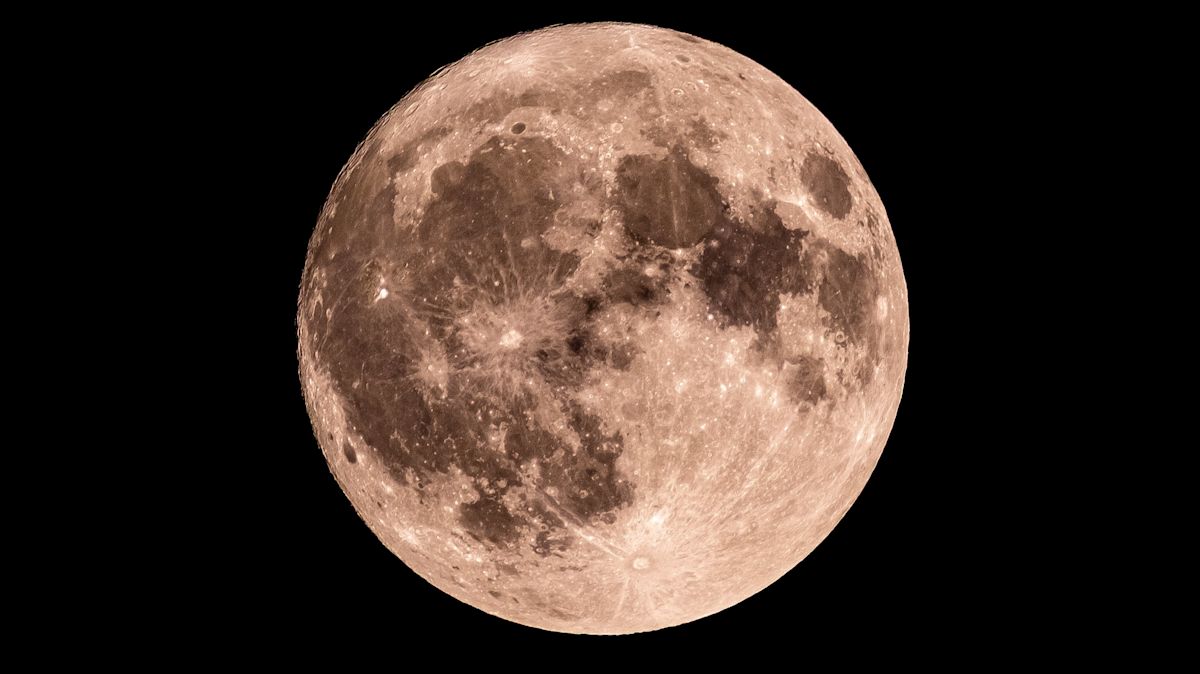
The September 26 Corn or Harvest Moon reaches full phase at 12:49 p.m. EDT, and on September 17 the Moon passes just 0.6 degrees south of the bright star Antares.
3
The December full moon reaches its exact peak at 1:28 a.m. UTC on December 24, but occurs on the evening of December 23 across the continental United States: 8:28 p.m. Eastern, 7:28 p.m. Central, 6:28 p.m. Mountain and 5:28 p.m. Pacific.
4
The winter solstice occurs December 21 at 3:50 p.m. Eastern time. Earth’s axial tilt leaves the Northern Hemisphere pointed away from the Sun, producing the year’s lowest midday Sun and shortest day there.
5
The November new moon occurs at 7:02 a.m. UTC on November 9—2:02 a.m. Eastern, 1:02 a.m. Central, 12:02 a.m. Mountain and 11:02 p.m. Pacific on November 8. NASA describes the phase as effectively invisible because the Moon’s illuminated side faces the Sun while its dark side faces Earth.
Skywatchers have several major events to track in late 2026 and early 2027. Jupiter's four largest moons will enter a rare eclipse season where they pass in front of each other and cast shadows across Jupiter's face. Mashable reports that the September 26 full moon, called the Corn or Harvest Moon, will also pass near bright stars in the sky.
Jupiter's Moons Begin Their Rare Dance
Io, Europa, Ganymede and Callisto will enter what astronomers call a mutual transit-and-eclipse season starting in late 2026. This alignment happens roughly once every five years when the four moons' nearly flat orbits line up perfectly from Earth's viewpoint. Callisto's shadow activity will continue through August 5, 2028.
September's Harvest Moon Glows Bright
The Corn or Harvest Moon reaches full brightness on September 26 at 12:49 p.m. EDT. On September 17, the Moon will pass just 0.6 degrees south of Antares, one of the sky's brightest stars. This close approach makes for an excellent viewing opportunity for skywatchers with binoculars or small telescopes.
December's Full Moon Peaks on the Winter Solstice
The December full moon reaches exact peak illumination at 1:28 a.m. UTC on December 24. Across the continental United States, the moon peaks on the evening of December 23: 8:28 p.m. Eastern, 7:28 p.m. Central, 6:28 p.m. Mountain and 5:28 p.m. Pacific. The winter solstice arrives three days earlier, on December 21 at 3:50 p.m. Eastern time, marking the Northern Hemisphere's shortest day of the year.
November's New Moon Vanishes From View
The November new moon occurs at 7:02 a.m. UTC on November 9—early morning times on November 8 in North America. NASA describes this phase as effectively invisible because the Moon's illuminated side faces the Sun while its dark side faces Earth. Skywatchers will see no moon in the night sky during this period.
Sentiment
Mostly NegativeNEGATIVENEUTRALPOSITIVE
Publishers
17
Articles
17
Reach
34
Topics
A
AnonymousAuthor


