Sisi Rejects Forced Gaza Displacement as Polls Show Divisions
Sisi Rejects Forced Gaza Displacement as Polls Show Divisions
Anonymous
Key Points
1
Egypt has rejected proposals to relocate Gaza’s more than two million residents to the Sinai Peninsula since 2023; Egyptian Foreign Minister Badr Abdelatty said Cairo had also turned down offers to forgive parts of its debt in exchange for accepting mass displacement.
2
Israel Katz said the proposed migration plan was contingent on U.S. discussions about where Gaza’s roughly two million residents would go, while U.S. Ambassador Mike Huckabee denied any plan to displace Gazans against their will.
3
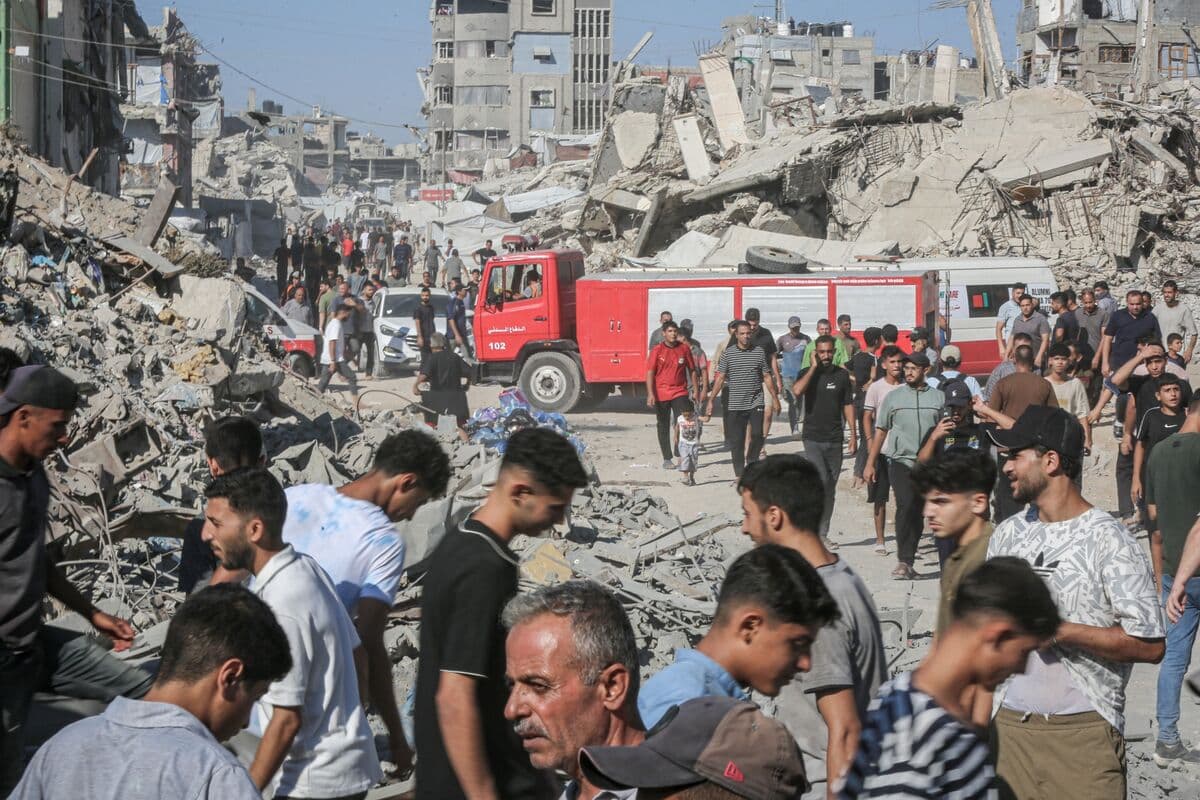
The displacement debate comes amid extensive destruction and displacement in Gaza: the article said nearly the entire population had been internally displaced and most of the territory was in rubble, with more than 73,700 Palestinians reported killed over the course of the war.
4
The survey found a sharp ideological divide over administering Gaza: 62% of right-wing Jewish Israelis generally supported occupying the Strip, compared with opposition to such an occupation from 66% of centrists, 88% of center-left respondents and 91% of left-wing respondents.
5
The 2006 hostage episode followed a Hamas-linked raid in which militants tunneled from Gaza into southern Israel and attacked a military post before capturing Gilad Shalit; the ensuing Israeli offensive killed more than 200 Palestinians, most of them identified as gunmen.
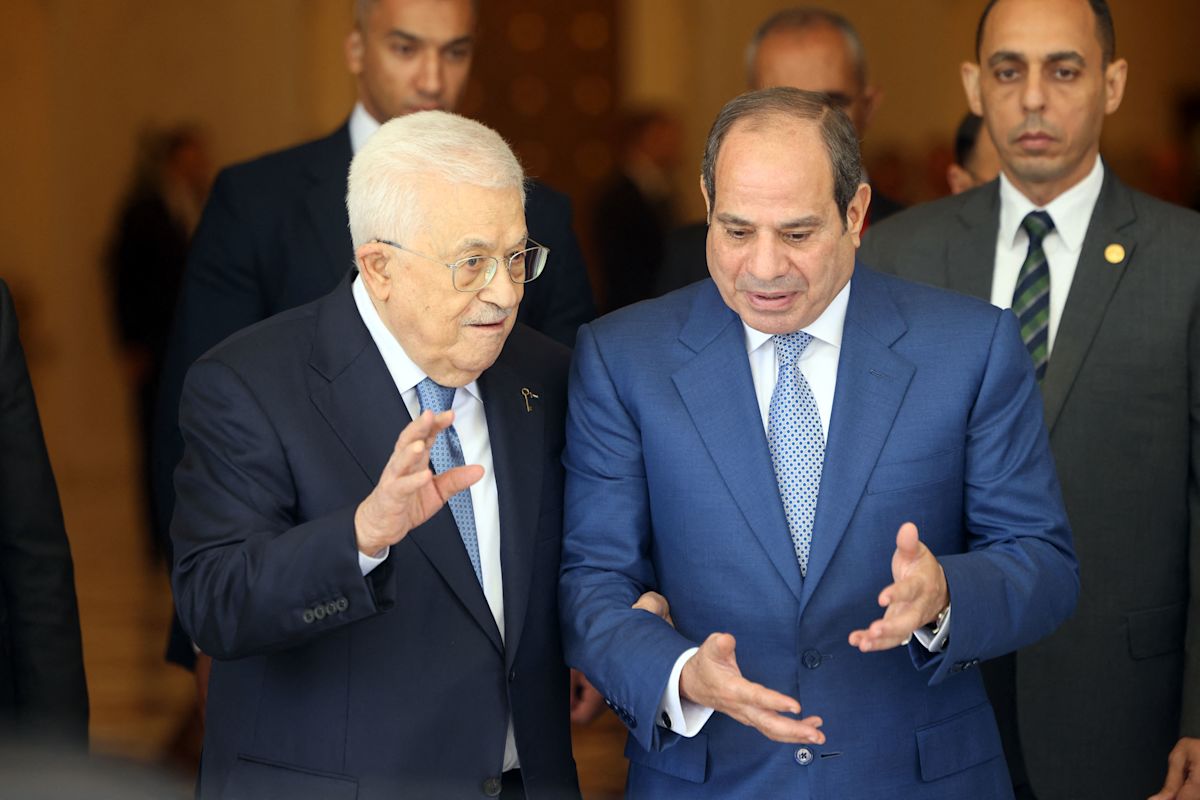
Egyptian President Abdel Fattah el-Sisi flatly rejected forced displacement of Palestinians from Gaza during talks with Palestinian President Mahmoud Abbas, Egyptian State Media reported. The statement directly challenges Israeli Defence Minister Israel Katz's recent threats to resume full military operations and remove Gaza's 2.3 million residents, though the United States has denied any involuntary relocation plan.
The rejection comes as polling reveals a stark divide: over 40% of West Bank Palestinians deny Israel's right to exist, while 72% of Jewish Israelis oppose withdrawing from a security perimeter inside Gaza. Both populations are hardening their positions on the conflict's resolution.
Egypt Firmly Opposes Displacement Schemes
Cairo has rejected Gaza resettlement proposals since 2023, turning down offers that included debt forgiveness in exchange for accepting mass migration to Sinai, Arab News reported. Egyptian Foreign Minister Badr Abdelatty confirmed the nation would not participate in any forced relocation plan.
Israeli Defence Minister Katz claimed the migration proposal depended on U.S. discussions about where Gaza's population would go. However, US Ambassador Mike Huckabee immediately denied any plan for involuntary displacement, stating Washington supports Palestinian self-determination.
Gaza Faces Catastrophic Destruction and Displacement
Nearly the entire Gaza population has been internally displaced, with over 73,700 Palestinians killed during the war. Most of the territory lies in rubble, creating a humanitarian crisis that complicates any discussion of future governance or relocation.
Abbas emphasized that Gaza remains an integral part of any future Palestinian state and expressed deep concerns about Israeli settlement expansion in the West Bank. He urged all parties to uphold the ceasefire, increase humanitarian aid, and support reconstruction efforts.
Israelis and Palestinians Sharply Divided on Future
Polling shows dramatic ideological splits: 62% of right-wing Jewish Israelis support occupying Gaza, while 88% of center-left and 91% of left-wing Israelis oppose such occupation. Palestinians also show internal fractures on Hamas's continued rule and preferred conflict-resolution methods.
Diplomacy emerged as the most widely preferred solution among Palestinians, though only a small minority back continued Hamas governance. The two populations fundamentally disagree on U.S. military aid, humanitarian assistance, and the war's ultimate outcome, with few shared visions for peace.
Historical Disputes Over Hostages and Territory Resurface
In 2006, tensions erupted after Hamas-linked militants tunneled from Gaza into southern Israel and captured soldier Gilad Shalit. The resulting Israeli offensive killed over 200 Palestinians, mostly identified as gunmen, Daily Mail reported.
Prime Minister Ehud Olmert then denied knowledge of potential hostage-exchange negotiations while simultaneously withdrawing support for a planned West Bank pullout. The pattern reflects enduring disputes over territorial control and prisoner swaps that continue shaping Israeli-Palestinian relations today.
Sentiment
Mostly NegativeNEGATIVENEUTRALPOSITIVE
Publishers
16
Articles
10
Reach
26
A
AnonymousAuthor