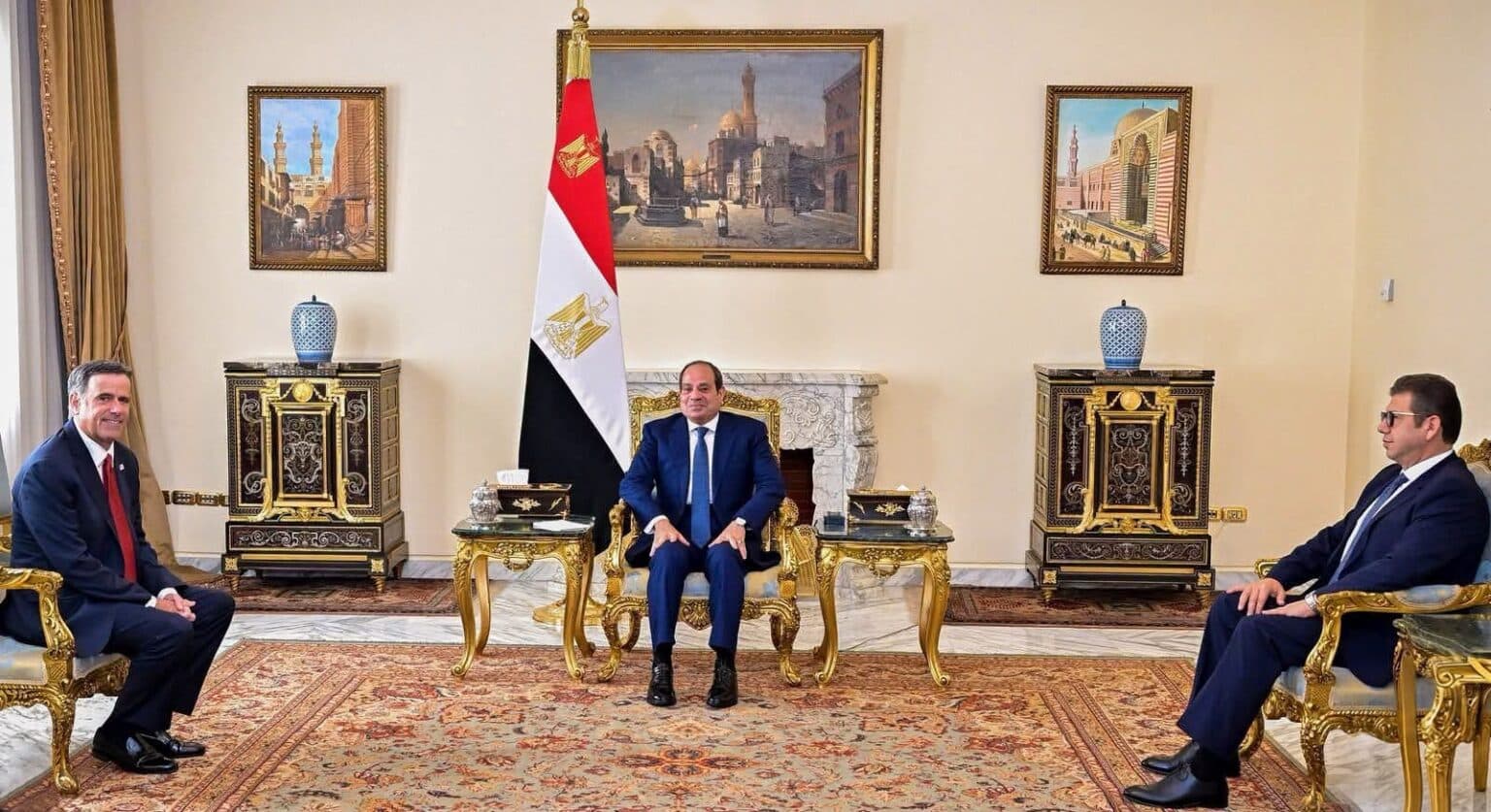
Arab League Cairo Summit
Arab League ministers meet in Cairo to address regional security and Palestinian statehood.
Anonymous
Key Points
1
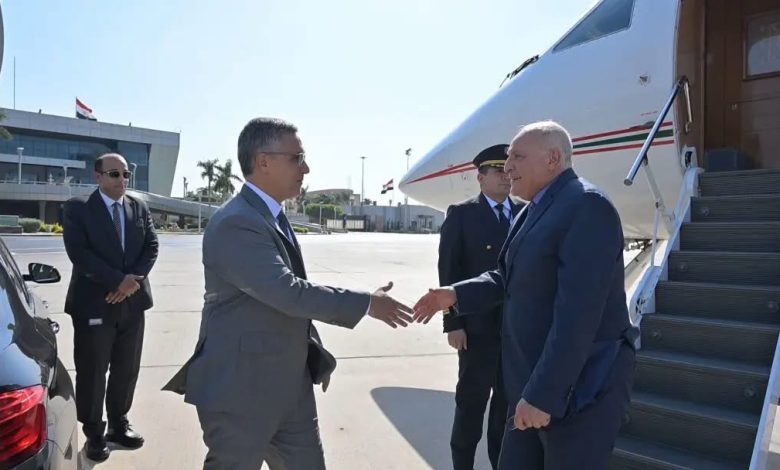
The session was chaired by Tunisia, and Algeria’s Foreign Minister Ahmed Attaf called for a comprehensive approach to regional crises that addresses their root causes and prioritizes political solutions and dialogue.
2
Algeria reaffirmed support for an independent, sovereign Palestinian state within recognized borders, with Al-Quds Al-Sharif as its capital, describing these as the Palestinian people’s “legitimate, inalienable rights.”
3
Morocco’s delegation was led by its ambassador to Egypt and permanent representative to the Arab League, Mohamed Ait Ouali, and included officials responsible for Arab, Maghrebi and Islamic affairs and Arab and Islamic organizations.
4
The Council appointed chairpersons for several permanent committees, including those dealing with human rights, meteorology, information and international humanitarian law, and also appointed judges to the Arab League Administrative Tribunal.
5
Saudi Arabia was represented by Deputy Foreign Minister Waleed Al-Khereiji on behalf of Foreign Minister Prince Faisal bin Farhan, rather than by the foreign minister himself.
Arab League foreign ministers gathered in Cairo for their 166th council session to tackle the Palestinian crisis, Iranian threats, and threats to regional stability. Algeria's Foreign Minister Ahmed Attaf called for political solutions and dialogue to address root causes of conflict, while member states reaffirmed their commitment to Palestinian statehood and opposed Israeli settlement policies.
The session, chaired by Tunisia, brought together delegations from Saudi Arabia, Morocco, Sudan and other Arab states. Ministers discussed escalating tensions in the Gulf, including Iranian attacks on Arab nations, and stressed the need to protect freedom of navigation in international waterways like the Strait of Hormuz.
Algeria Pushes for Political Dialogue Over Military Action
Algeria's Ahmed Attaf delivered a strong message: solve regional crises through talking, not fighting. He emphasized the need for comprehensive approaches that address root causes and prioritize political solutions. Attaf also reaffirmed Algeria's unwavering support for an independent, sovereign Palestinian state with Al-Quds Al-Sharif as its capital.
Algeria described Palestinian rights as "legitimate, inalienable rights" owed to the people. The country called for stronger Arab coordination to oppose what it termed Israeli violations, settlement expansion, and displacement policies in occupied Palestinian territories and Jerusalem.
Morocco and Sudan Answer the Call to Regional Unity
Morocco sent its Ambassador to Egypt, Mohamed Ait Ouali, to lead its delegation at the Cairo meeting. The team included officials overseeing Arab affairs, Maghrebi cooperation, and relationships with Islamic organizations. Morocco emphasized Arab solidarity on Palestinian and regional security matters.
Sudan's Foreign Minister Mohi El-Din Salem also participated in the 166th session, signaling unified Arab League support for tackling shared challenges. Sudan Horizon reported that Sudan took an active role in ministerial-level discussions on Palestinian rights and Gulf security threats.
Saudi Arabia Sends Deputy as Gulf Tensions Rise
Saudi Arabia was represented by Deputy Foreign Minister Waleed Al-Khereiji rather than Foreign Minister Prince Faisal bin Farhan. The move signaled the Kingdom's engagement while Faisal attended to other diplomatic priorities. Saudi officials joined discussions about Iranian attacks threatening Arab nations across the region.
The delegation focused on restoring security and free navigation in the Strait of Hormuz and other international waterways. Members also backed Arab League reforms to boost the organization's effectiveness in coordinating responses to shared regional threats and crises.
New Committee Leaders Appointed to Strengthen Arab Coordination
The Arab League Council appointed new leaders for several permanent committees during the session. These included chairs for human rights, meteorology, information, and international humanitarian law committees. Judges were also named to the Arab League Administrative Tribunal.
The appointments aim to improve coordination among Arab states on pressing issues like Palestinian rights and regional security. The move reflects the League's effort to modernize its structure and make member collaboration more effective in addressing complex regional challenges.
Sentiment
Mostly NegativeNEGATIVENEUTRALPOSITIVE
Publishers
18
Articles
3
Reach
21
Topics
A
AnonymousAuthor