Coral Shade Protection
Underwater shades help vulnerable Florida Keys corals survive extreme summer marine heatwaves.
Anonymous
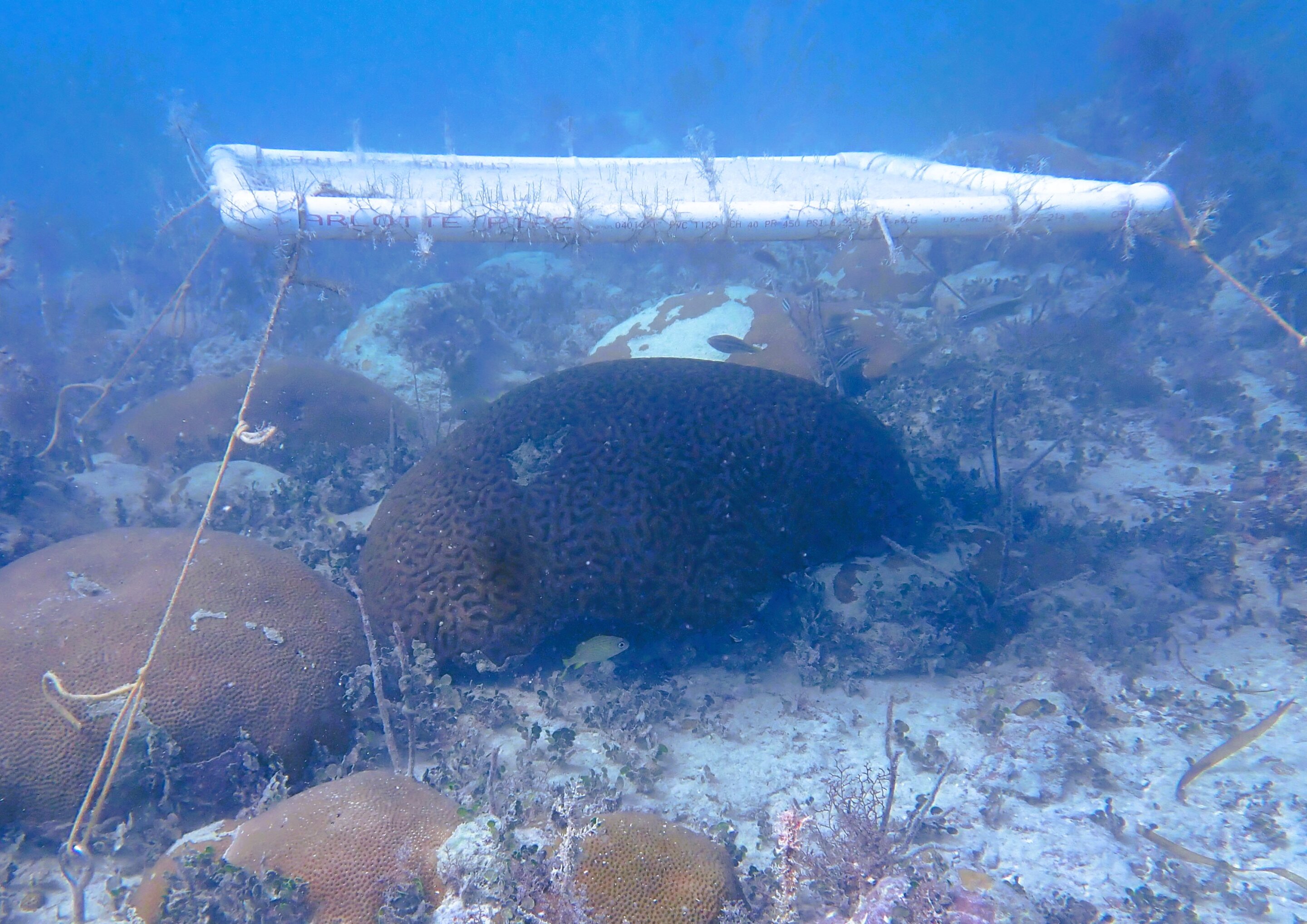
Researchers testing temporary, umbrella-like canopies over vulnerable corals in the Florida Keys during the 2024 marine heatwave found that the shade cloth reduced incoming light by about 60%. Although the canopies did not cool the water, shaded corals lost less color than expected, and some that were already bleaching regained color. The findings suggest that localized shading could offer temporary protection to high-priority coral colonies during extreme heat, but it cannot address the underlying threat of climate change and rising ocean temperatures.
Key Points
1
The trial focused on two brain coral species, Pseudodiploria clivosa and Colpophyllia natans: researchers shaded 10 colonies and compared them with 20 unshaded corals.
2
At Newfound Harbor, water temperatures exceeded the local coral-bleaching threshold of 30.5°C for at least 61 days during the 2024 study.
3
The canopies were made from PVC pipe, foam and agricultural shade cloth, anchored to the seabed so they floated about 30 centimeters above each coral; divers checked the corals every two weeks and collected tissue samples.
4
The project was prompted by Florida’s severe 2023 bleaching event, which researchers said wiped out branching corals and devastated brain corals at some inshore sites.
Sentiment
Mostly NegativeNEGATIVENEUTRALPOSITIVE
Publishers
10
Articles
109
Reach
119
A
AnonymousAuthor