Nuclear Submarine Expansion
North Korea Accuses United States of Fueling Regional Nuclear Arms Race
Anonymous
Key Points
1
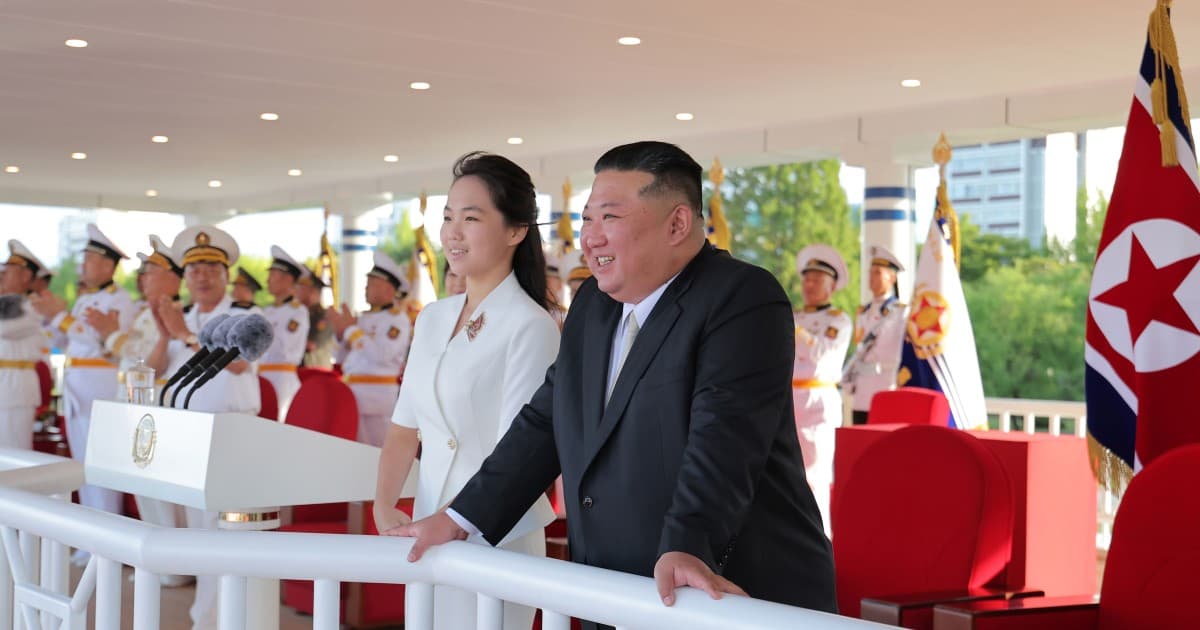
North Korean state media previously showed leader Kim Jong Un inspecting what it described as an 8,700-ton-class nuclear-propelled submarine, portraying it as a major step in modernizing and nuclear-arming the country’s navy.
2
North Korea’s Ministry of National Defence sent a delegation led by Vice-Minister Kim Kang Il to a regional security forum in China, providing a diplomatic backdrop to Pyongyang’s criticism of U.S.-led security arrangements.
3
North Korean analyst Choe Ju Hyon accused Washington of publicly defending nonproliferation while seeking to provide nuclear-strike capabilities to allied states “in exchange for enormous financial gain,” calling this a tactic to conceal the United States’ own alleged proliferation record.
4
Pyongyang’s commentary characterized the U.S.-South Korea Nuclear Consultative Group and U.S.-Japan Extended Deterrence Dialogue as “mutations of the NATO-standard nuclear sharing model,” arguing that they could produce a wider nuclear domino effect.
5
North Korea described the allied submarine push as part of U.S. military efforts to contain rivals by using regional allies as “shock brigades,” framing the arrangements as more than a nonproliferation dispute and as a broader Asia-Pacific security strategy.
North Korea accused the United States on Friday of pushing South Korea and Japan to build nuclear-powered submarines, claiming Washington is spreading sensitive military technology to nonnuclear allies. The Hindu reported that Pyongyang's criticism came after a U.S. Navy official endorsed Japan's submarine plans while suggesting Seoul develop a clearer operational purpose rather than pursue them as a status symbol.
North Korean analysts called the U.S.-led security agreements—including the Nuclear Consultative Group with South Korea and the Extended Deterrence Dialogue with Japan—a threat to global nonproliferation rules. Pyongyang said these arrangements justify strengthening its own nuclear arsenal both in quality and quantity to counter what it views as a coordinated U.S. containment strategy.
Kim Jong Un's Navy Gets a Nuclear Upgrade
State media in North Korea previously displayed photos of leader Kim Jong Un inspecting what officials called an 8,700-ton-class nuclear-propelled submarine. The country framed the vessel as proof of rapid modernization and a major step toward arming its navy with nuclear weapons.
U.S. Hypocrisy on Nuclear Weapons, Pyongyang Claims
North Korean analyst Choe Ju Hyon accused Washington of a double standard. The U.S. publicly defends nonproliferation rules while secretly giving nuclear-strike capabilities to allied states "in exchange for enormous financial gain," he said. Choe framed this as a smokescreen for America's own alleged proliferation record.
Security Pacts Create a Nuclear Domino Effect Risk
Pyongyang called the U.S.-South Korea and U.S.-Japan defense arrangements "mutations of the NATO-standard nuclear sharing model." North Korean officials warned these pacts could trigger a wider nuclear chain reaction across Asia, with more countries seeking nuclear weapons to match their neighbors' military advances.
Submarine Plans Part of Broader U.S. Containment Strategy
North Korea described the allied submarine push as part of a wider U.S. military strategy to contain China and Russia by deploying regional allies as forward-deployed military units. CTV News reported that Pyongyang's Vice-Minister Kim Kang Il attended a regional security forum in China to voice these concerns, turning the submarine dispute into a major geopolitical issue beyond just weapons technology.
Sentiment
Mostly NegativeNEGATIVENEUTRALPOSITIVE
Publishers
31
Articles
102
Reach
133
A
AnonymousAuthor