Nuclear Status Defended
Kim Yo-jong rejects IAEA calls to denuclearize and defends nuclear status.
Anonymous
Key Points
1
The IAEA General Conference called for North Korea to abandon its nuclear weapons program in a “complete, verifiable and irreversible” manner and to comply with the Nuclear Non-Proliferation Treaty.
2
Kim Yo-jong characterized the international discussions as a recurring, predetermined exercise, saying they were “the same old chatter we hear every year at this time” and that efforts to change North Korea’s status were “pathetically delusional and utterly futile.”
3
North Korea’s Defense Ministry separately raised tensions by invoking the possibility of activating the country’s nuclear-force policy law in response to U.S.-South Korean consultations on countering weapons of mass destruction.
4
Kim’s statement also rejected references at the IAEA gathering to North Korean violations of U.N. Security Council resolutions, broadening her response beyond the conference’s denuclearization demands.
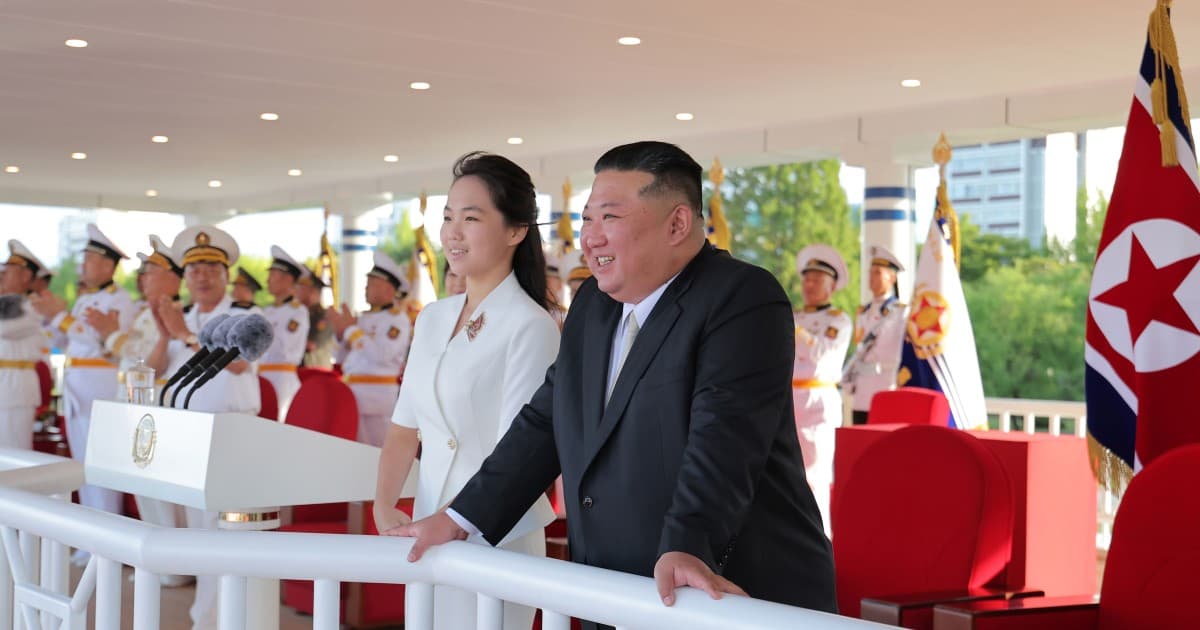
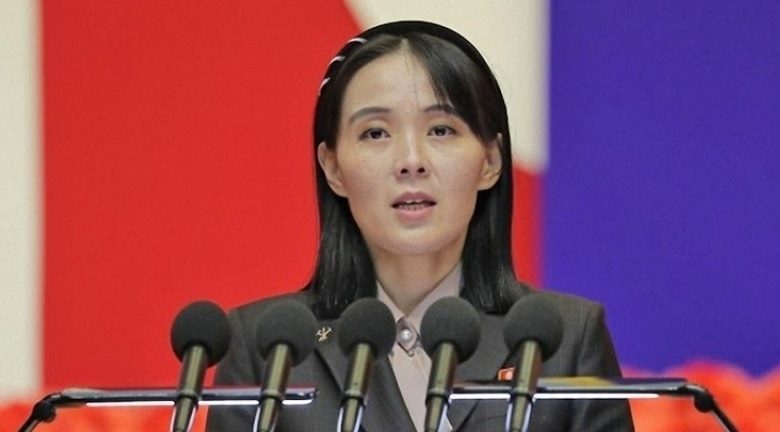
Kim Yo-jong, the sister of North Korean leader Kim Jong Un, rejected international calls to abandon nuclear weapons, declaring that Pyongyang's nuclear status is "absolute" and "permanently established." TASS reported that she dismissed denuclearization efforts as "pathetically delusional and utterly futile," characterizing the annual IAEA discussions as recurring "same old chatter."
The comments come as the International Atomic Energy Agency raised alarms about North Korea's expanding uranium-enrichment capacity and nuclear facilities. IJR noted that the IAEA General Conference called for North Korea to abandon its nuclear program in a "complete, verifiable and irreversible" manner and to comply with the Nuclear Non-Proliferation Treaty.
North Korea Claims Nuclear Status Is Irreversible
Kim Yo-jong stated unequivocally that North Korea's nuclear status cannot be changed or reversed. Zamin reported that she called the nation's nuclear position "eternal," rejecting any suggestion that Pyongyang would negotiate away its weapons. She is the department director at the Central Committee of the Workers' Party of Korea and speaks with authority on major policy matters.
Her remarks signaled zero flexibility on the issue. The statement dismissed more than a decade of international negotiations and sanctions designed to pressure North Korea into abandoning its arsenal. Korea Herald noted that she insisted the nuclear status was "absolute," leaving no room for compromise or future discussions on the topic.
Annual IAEA Meeting Becomes Flashpoint for Tensions
The IAEA General Conference this year became a stage for renewed conflict over North Korea's weapons program. South Korea and European countries warned that Pyongyang's nuclear expansion threatens the global nonproliferation system. San Luis Obispo reported that Kim Yo-jong denounced the agency's focus on denuclearization as meaningless noise that repeated year after year.
The agency voiced specific concerns about North Korea's uranium-enrichment capacity, which continues to grow despite international isolation. The IAEA called for full compliance with U.N. Security Council resolutions banning weapons development. IJR highlighted that Kim's response rejected even these technical oversight discussions, broadening her defiance beyond simple refusals to negotiate.
North Korea Threatens Nuclear-Force Policy Activation
North Korea's Defense Ministry raised tensions further by warning it could activate the country's nuclear-force policy law. The threat came in response to U.S.-South Korean consultations on countering weapons of mass destruction. This move signals Pyongyang's willingness to escalate beyond rhetoric and take tangible military steps.
The dual statements from Kim Yo-jong and the Defense Ministry form a coordinated message: North Korea will not reverse its nuclear status, and it will respond to perceived threats with nuclear-policy changes. The rhetoric demonstrates that diplomatic pathways remain closed as long as the international community insists on denuclearization.
Sentiment
Mostly NegativeNEGATIVENEUTRALPOSITIVE
Publishers
28
Articles
65
Reach
93
A
AnonymousAuthor