Strait of Hormuz Closure
Iran states Strait of Hormuz will remain closed until US meets conditions.
Anonymous
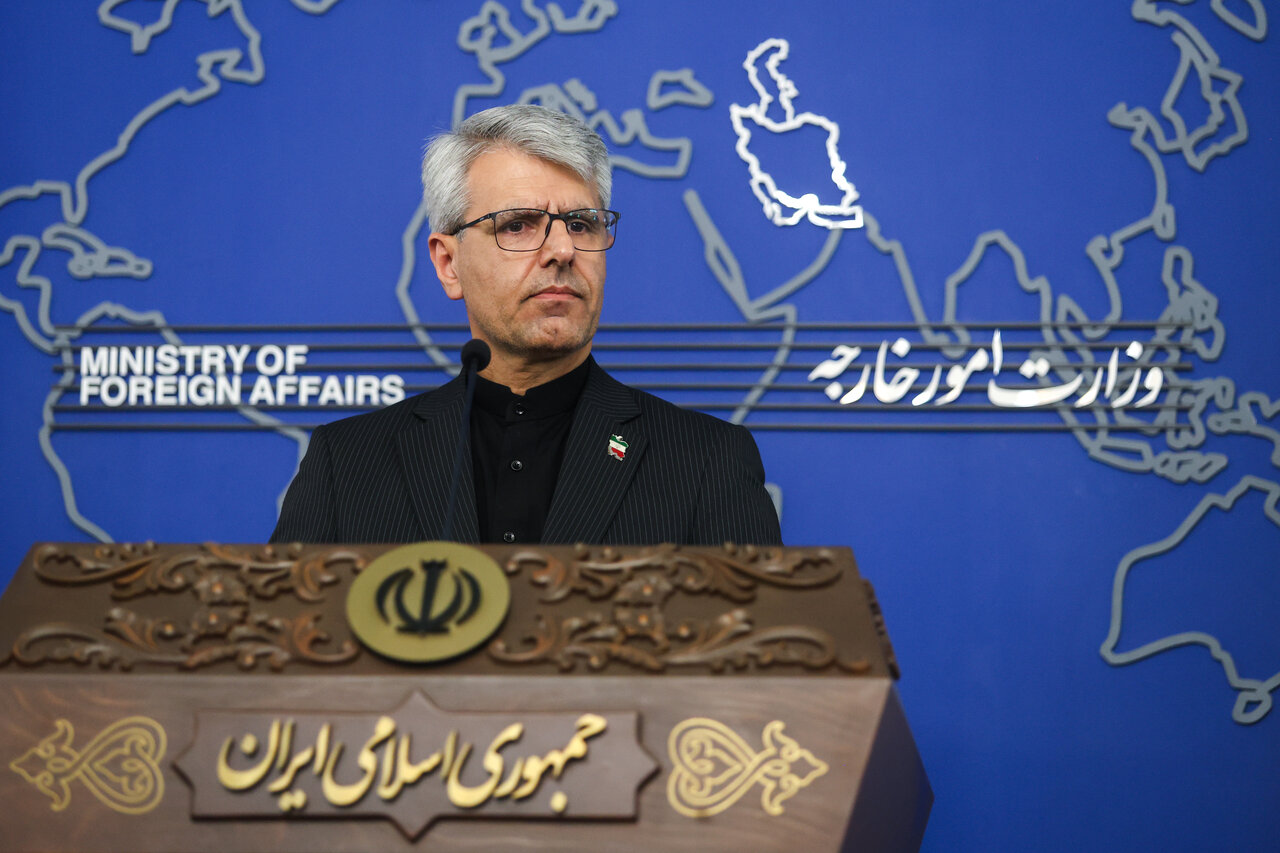
Iran says the Strait of Hormuz will remain closed until the United States meets seven conditions tied to a June agreement between the two nations. NTD Iranian Parliament Speaker Mohammad Baqer Qalibaf stated that Tehran's position is "completely clear and firm," rejecting what he called Washington's "one-sided demands." The standoff threatens to keep global oil and shipping markets in turmoil.
About 20-25% of the world's seaborne crude oil and LNG normally pass through the Strait. The closure follows a February 2026 military conflict between the U.S., Israel, and Iran. A June peace agreement outlined seven conditions, but negotiations have stalled over the order in which the U.S. must lift its blockade and sanctions before Iran complies with nuclear demands.
Iran's Seven-Point Demand for the Strait
During the UN General Assembly in late September, Iran's Foreign Minister Abbas Araghchi presented a seven-day confidence-building proposal. Times Now News reported that the proposal would reopen the Strait if the U.S. met all seven conditions from the Islamabad Memorandum of Understanding signed in June. The conditions center on lifting the naval blockade, removing sanctions on Iranian oil, and unfreezing Iranian assets.
Qalibaf told state media that "the period of dragging out the process is over." The Epoch Times reported the Parliament Speaker's rejection of U.S. counter-demands on October 4. Iran's Foreign Ministry Spokesperson Esmaeil Baghaei clarified that Tehran's immediate focus is "restoring security in the strait" rather than broader nuclear negotiations.
Washington Rejects Iran's Terms as Unacceptable
President Donald Trump rejected Iran's conditions, calling them "unacceptable." Seeking Alpha reported that Trump claimed U.S. forces had already cleared mines from the Strait and established transit escorts. Secretary of State Marco Rubio warned that energy flows were recovering except for Iranian oil, and cautioned against letting Iran control this critical global chokepoint.
The U.S. argues Iran is using the Strait closure as economic extortion. Washington maintains that it is defending open international shipping lanes against what it calls illegal maritime aggression. The impasse leaves little room for quick compromise on the sequencing of concessions between both sides.
Qatar Mediates While Military Tensions Rise
Qatari negotiators are shuttling messages between Washington and Tehran to bridge the diplomatic gap. Tehran Times noted that Iran has submitted additional points regarding the U.S. counter-proposal. However, Iranian military officials are simultaneously preparing for a potential resumption of large-scale combat if diplomacy fails.
Iranian Foreign Minister Araghchi warned foreign diplomats: "If they again move towards military solutions, we are more prepared than before." The Army Spokesperson announced Iran is expanding its missile range following recent combat. These military preparations suggest Tehran is hedging against negotiation failure with show of force.
Energy Markets Brace for Prolonged Disruption
The Strait blockade has already disrupted global energy supplies. Over 2,000 vessels and 20,000 mariners were stranded in the Persian Gulf during the peak blockade, according to International Maritime Organization data. At least 24 seafarers and one port worker have died since hostilities began, with over 35 injured.
Reuters-cited analysts report that a substantial geopolitical risk premium is now embedded in global energy markets. Prolonged disruption threatens shipping routes, raises insurance costs, and increases global inflationary pressure. Energy traders are watching Qatar's mediation efforts closely, knowing that any agreement—or military escalation—could swing oil prices sharply.
Sentiment
Mostly NegativeNEGATIVENEUTRALPOSITIVE
Publishers
52
Articles
163
Reach
215
A
AnonymousAuthor


