Iran Ceasefire Roadmap
Iran Proposes Ceasefire and Hormuz Plan to U.S. Amid Regional Tensions
Anonymous
Key Points
1
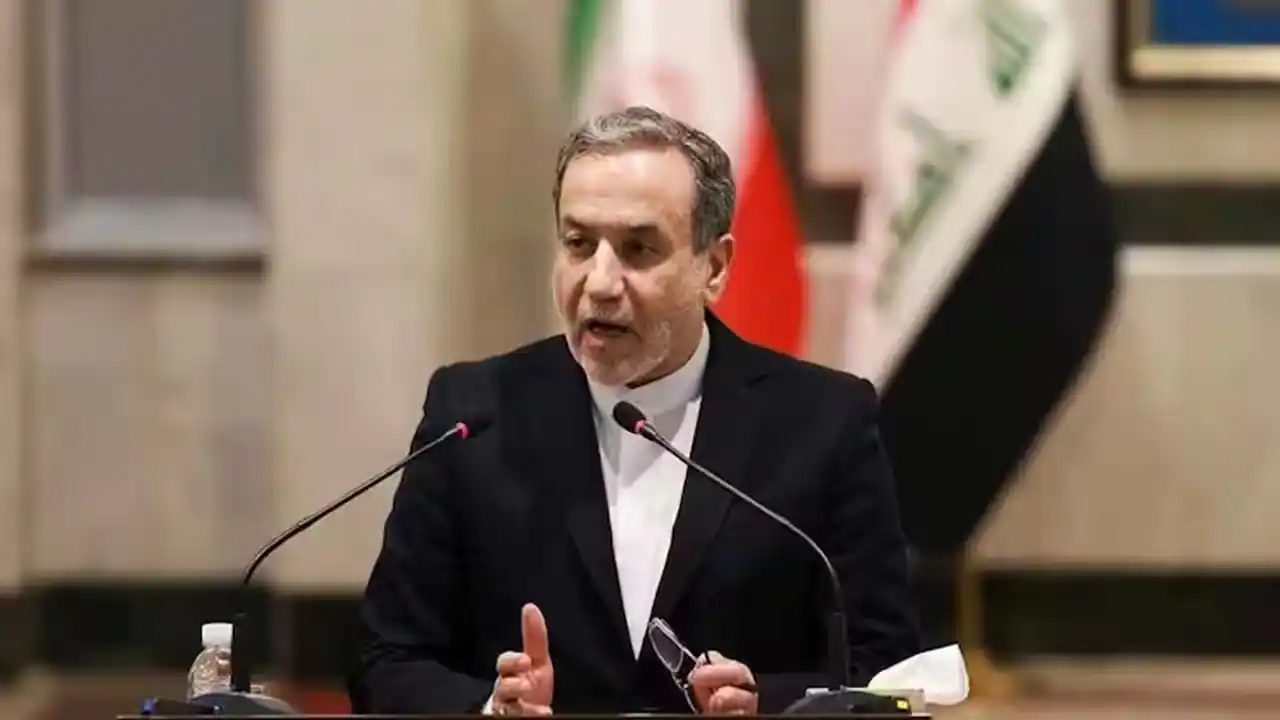
Iranian Foreign Minister Abbas Araghchi said the proposal closely mirrored a June U.S.-Iran memorandum of understanding that quickly unraveled. He also said Tehran would prefer a deal before the U.S. midterm elections, while a U.S. official said Washington was having constructive discussions but would not rush into an agreement.
2
The diplomatic push is unfolding alongside reports that China sent Iran about 1,300 shipments containing dual-use components for drones and missile-guidance systems, adding another dimension to the military tensions.
3
Qatar’s Foreign Ministry spokesman Majed Al Ansari argued that economic interdependence with Iran could help anchor regional security. Former Qatari prime minister Sheikh Hamad bin Jassim, meanwhile, warned that temporary arrangements could suit Tehran’s strategy of patience and called for a permanent, legally clear resolution over Hormuz.
Iran has proposed a roadmap to end the conflict with the United States, offering a regional ceasefire lasting up to 60 days and a seven-day plan to reopen the Strait of Hormuz ADN. Foreign Minister Abbas Araghchi said Tehran's proposal mirrors a June memorandum of understanding between the two countries that collapsed quickly ADN. The deal hinges on U.S. acceptance of Iran's core demands: lifting the naval blockade of Iranian ports and halting attacks on Arab states Daily Herald.
Mediated talks involving Qatar, Pakistan and others are progressing but remain preliminary ADN. No agreement has been reached yet, and President Trump warned of further military action while signaling momentum toward a possible deal ADN. Gulf allies Saudi Arabia and the UAE are urging Trump to maintain sanctions and the blockade despite Iran's overtures ADN.
Iran's Seven-Day Plan to Reopen Global Shipping
Iran's Foreign Minister outlined a specific seven-day sequence for reopening the Strait of Hormuz, one of the world's most critical shipping routes Finimize. The proposal ties this reopening to broader nuclear negotiations and requires the U.S. to lift its economic blockade Daily Herald. Tehran says it will only discuss detailed nuclear terms if Washington first accepts the Hormuz deal Moneycontrol. Oil prices fell after Iran announced the plan, suggesting markets view a reopening as likely Finimize.
U.S. Officials Signal Willingness But Warn Against Rushing
A U.S. official told negotiators that Washington is having constructive discussions with Iran but will not be pressured into a rushed agreement ADN. Araghchi said Tehran would prefer a deal before the U.S. midterm elections, indicating Iran sees diplomatic urgency ADN. Trump has kept options open, warning of additional military strikes while acknowledging potential for a breakthrough ADN.
China Supplies Drone and Missile Components to Iran
China sent Iran approximately 1,300 shipments containing dual-use components for drones and missile-guidance systems, adding military complexity to ceasefire talks ADN. These transfers occurred during the period of heightened U.S.-Iran tensions, underlining Beijing's continued support for Tehran ADN. The component supply demonstrates Iran's ability to rebuild military capabilities even under economic pressure ADN.
Gulf States Split on Whether Temporary Deal Will Hold
Qatar's Foreign Ministry spokesman Majed Al Ansari argued that economic interdependence with Iran could anchor regional security and support a lasting peace ADN. Former Qatari Prime Minister Sheikh Hamad bin Jassim disagreed, warning that temporary arrangements could suit Tehran's strategy of waiting out opponents ADN. He called for a permanent, legally binding resolution over Hormuz control ADN. Meanwhile, Saudi Arabia and the UAE are privately urging Trump to keep the blockade in place.
Sentiment
Mostly NegativeNEGATIVENEUTRALPOSITIVE
Publishers
19
Articles
101
Reach
120
A
AnonymousAuthor