Emergency Alerts Lifted
Saudi Arabia lifts emergency alerts across southern areas following reported Houthi missile attacks.
Anonymous
Key Points
1
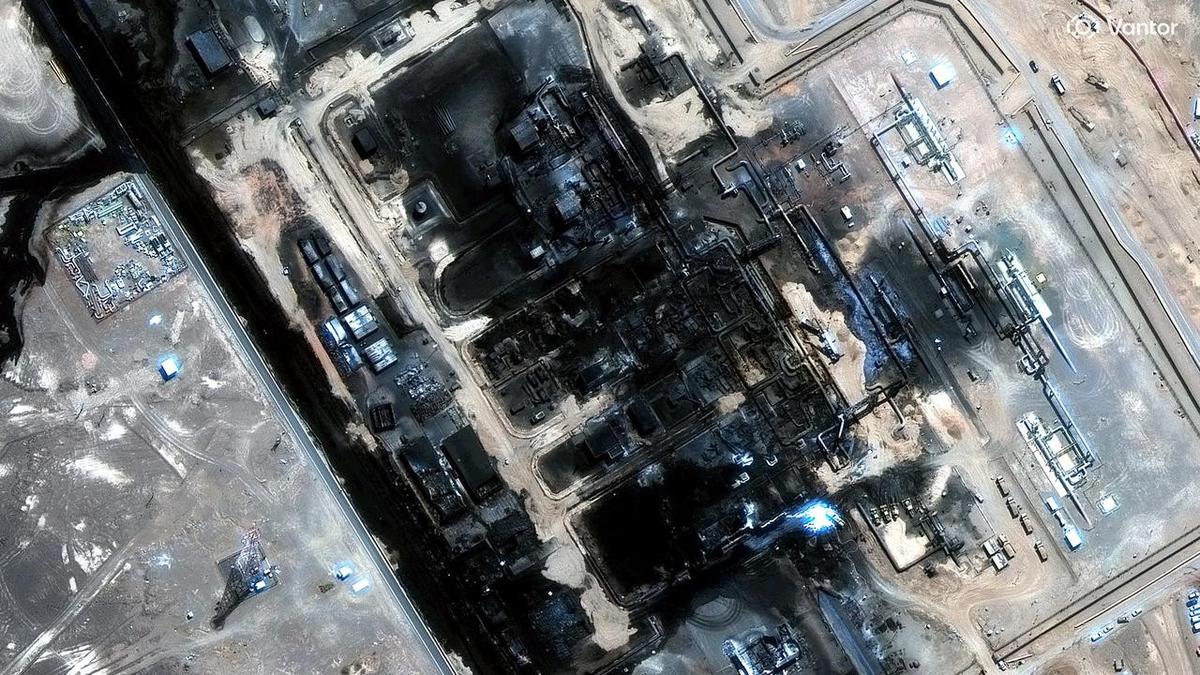
Houthi military spokesman Yahya Saree claimed the group launched a large-scale attack involving dozens of ballistic missiles and drones against King Khalid Air Base in Khamis Mushait.
2
During the emergency, authorities specifically told residents not to photograph or film the situation and advised drivers who received a warning to pull over safely away from bridges and high-rise buildings.
3
Residents in Najran and other affected areas were directed to use emergency number 998, while 911 applies in Makkah, Madinah, Riyadh and the Eastern Province.
4
The Civil Defense warnings were issued through Saudi Arabia’s National Early Warning Platform, which sent mobile notifications urging citizens and expatriates to seek indoor shelter and rely exclusively on official information rather than rumors or videos from unknown sources.
5
Separate travel-related alerts reportedly covered additional destinations—including Jeddah, Taif, AlUla and Yanbu—beyond the southern areas identified in the main emergency warnings.
Saudi Arabia lifted emergency alerts across multiple regions on September 14-15 after perthnow.com.au reported cross-border missile and drone attacks by Yemen's Houthi movement. The alerts, issued by the General Directorate of Civil Defense, covered southern areas including Abha, Khamis Mushait, Jazan, and Najran, as well as western cities like Jeddah, Taif, and—for the first time—the holy city of Mecca. Authorities ordered residents indoors and away from windows and rooftops before announcing the danger had passed.
Houthi military spokesman Yahya Saree claimed the group launched dozens of ballistic missiles and drones targeting King Khalid Air Base in Khamis Mushait, saying the operation hit aircraft hangars, radars, runways, and ammunition depots standard.net.au. The attack marked an escalation in the Yemen-based group's asymmetrical strike campaign against Saudi Arabia, which has faced repeated Iranian-aligned assaults over the past week.
Houthis Launch Large-Scale Missile and Drone Attack
According to yasstribune.com.au, Yahya Saree announced that Houthi forces launched a major cross-border operation using dozens of ballistic missiles and suicide drones against King Khalid Air Base. He claimed the strikes hit military targets including aircraft hangars, radar systems, runways, and ammunition stockpiles. Saree warned that operations would persist and escalate if Saudi coalition airstrikes on Yemen continued.
The attack came after more than 300 Saudi-led coalition airstrikes struck Yemeni provinces over a five-day period, according to colypointobserver.com.au. The Houthis framed their operation as retaliation and defense against what they called indiscriminate bombing. Saudi coalition spokesperson Col. Turki al-Maliki confirmed the Houthi attacks hit civilian infrastructure and vowed Saudi Arabia would respond "firmly to protect the sovereignty of the kingdom."
Emergency Alerts Spread to Holy Cities for First Time
On September 15, Saudi Civil Defense issued fresh emergency alerts across western regions including Jeddah, Taif, AlUla, and Yanbu—marking the first time the holy city of Mecca received live missile-warning alerts perthnow.com.au. Authorities instructed residents to seek indoor shelter immediately, avoid open areas and high-rise buildings, and refrain from photographing or filming the situation. Citizens were told to use emergency number 998 in Najran and southern regions, or 911 in Makkah, Madinah, Riyadh, and the Eastern Province.
The Saudi National Early Warning Platform sent mobile notifications urging citizens and expatriates to remain indoors and rely only on official channels standard.net.au. Authorities explicitly warned the public not to spread unverified information or share videos from unknown sources. Later the same afternoon, Civil Defense announced the threat had passed for Mecca, Jeddah, and surrounding regions, though officials urged continued vigilance.
Casualties and Oil Market Impact Rise Amid Strikes
The September 14-15 Houthi attacks injured at least 13 civilians, with damage reported to at least 7 houses and 2 vehicles yasstribune.com.au. This followed an earlier week of strikes that injured 73 people. The attacks struck fear across millions of residents in eight major Saudi municipalities, marking an unprecedented expansion of the Houthi threat zone toward western Saudi Arabia and its holiest cities.
The escalation has pushed global energy markets higher. cessnockadvertiser.com.au reported that Brent crude oil surged above $100 per barrel amid fears of supply disruption, with Houthi strikes threatening both Red Sea shipping routes and Saudi oil infrastructure. International refiners, including Poland's Orlen, began seeking alternative non-Middle Eastern crude as Saudi energy facilities faced temporary operational disruptions.
Fragile Truce Collapses Into Full-Scale Asymmetrical Warfare
The current escalation represents a dramatic breakdown of a tacit truce between Saudi Arabia and the Houthis. Fighting reignited in July 2026 when the Houthis declared a maritime blockade, resumed targeting Red Sea shipping, and took control of Yemen's Red Sea coast, the Bab el-Mandeb Strait, and strategic islands like Perim Island colypointobserver.com.au. Analysts note that repeated long-range strikes on heavily defended military installations like King Khalid Air Base demonstrate the group's persistent asymmetrical strike capabilities despite years of coalition pressure.
Saudi coalition leadership condemned the attacks as "heinous and deliberate" and pledged comprehensive operational measures to deter further escalation. The Houthis, backed by Iran, have reframed their strikes as legitimate defensive operations targeting active military infrastructure used to conduct air raids over Yemen. The cycle of tit-for-tat strikes shows no immediate sign of halting.
Sentiment
Mostly NegativeNEGATIVENEUTRALPOSITIVE
Publishers
89
Articles
164
Reach
253
Topics
A
AnonymousAuthor


