Dangerous Ozone Exposure
Extreme heat and pollution expose forty percent of the global population to dangerous ozone.
Anonymous
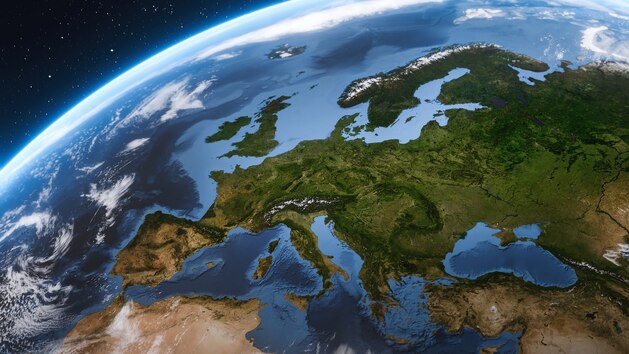
Copernicus Atmosphere Monitoring Service assessments indicate that ground-level ozone pollution affected a substantial share of the world’s population in 2026: roughly 40% faced dangerous or extremely poor exposure, while only about 5% experienced “good” ozone conditions. Extreme heat helps drive ozone formation from human-generated pollutants, and wildfire smoke and emissions can worsen exposure and spread pollution far from its source. Asia was among the hardest-hit regions, while exposure was also high in parts of Europe and North America; Oceania was comparatively less affected. The estimates vary with the exposure category and period measured, but collectively point to a widespread health and environmental concern.
Key Points
1
The assessment measured longer-term exposure using a six-month peak-season average based on maximum daily eight-hour ozone concentrations; the World Health Organization recommends keeping peak-season concentrations below 60 µg/m³.
2
Several major cities recorded some of the highest ozone exposures on their continents, including Delhi, Milan, Mexico City, Rio de Janeiro and Cairo.
3
The number of people exposed to ozone pollution in 2026 was higher than in each of the previous five years, according to the report.
4
The report attributed rising exposure to more severe wildfires near densely populated areas, even as pollution from burning biological material has declined globally over recent decades.
5
One assessment compared exposure with the European Union’s ozone standard of 70 µg/m³ and reported that more than two-thirds of North Americans experienced ozone classified as poor or worse.
Sentiment
Mostly NegativeNEGATIVENEUTRALPOSITIVE
Publishers
20
Articles
76
Reach
96
A
AnonymousAuthor


