Europe's Largest Green Hydrogen Plant
Moeve begins construction on Europe's largest green hydrogen project in Spain.
Anonymous
Key Points
1
Onuba has been recognized by the European Union as a Project of Common Interest, reflecting its importance for European energy security, industrial competitiveness and the decarbonization of sectors that are difficult to electrify.
2
Moeve describes Onuba as a “digital native plant,” incorporating a digital twin and integrated data and Internet of Things platform from the design stage to optimize operations, anticipate incidents and improve energy efficiency.
3
Moeve CEO Maarten Wetselaar said the project marks a shift from pilot projects to industrial-scale deployment: “Today we are turning the page on green hydrogen pilot projects and moving into the chapter of large-scale construction.”
4
Moeve owns 51% of the Onuba project, with the remaining stake held by investors including French investment firm Hy24 and Spain’s public-private financial institution COFIDES.
5
The project’s economic case has improved as higher natural-gas prices have narrowed the cost gap between renewable hydrogen and conventional hydrogen produced from natural gas, according to Wetselaar.
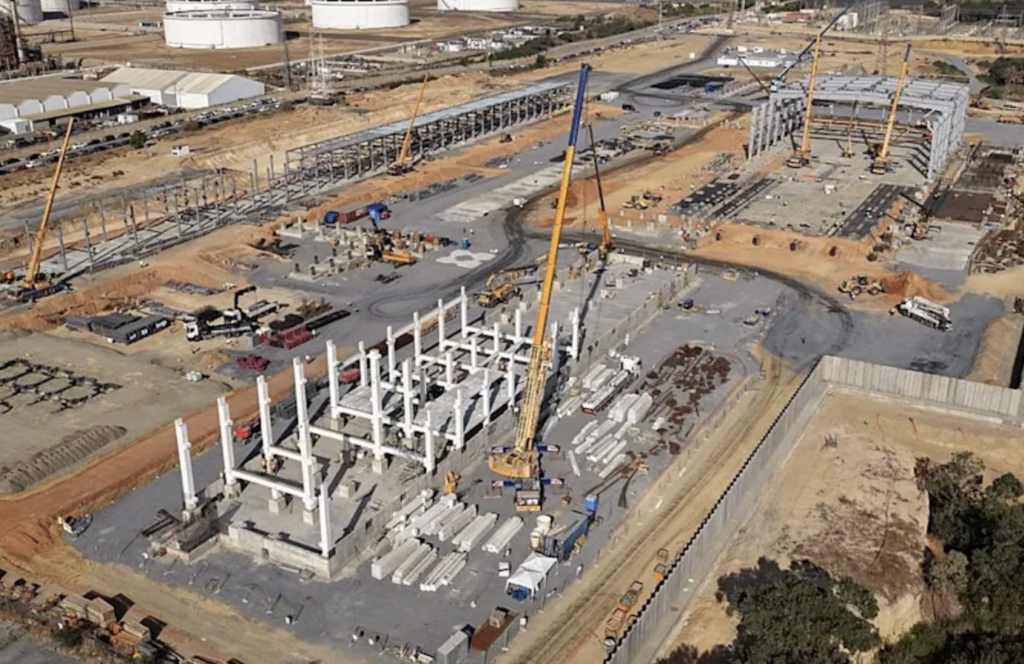
Moeve has begun construction on Onuba, Hydrogen Central reports, describing it as Europe's largest green hydrogen project. The facility in Huelva, Spain will start with 300 megawatts of electrolysis capacity and produce about 45,000 metric tons of renewable hydrogen yearly, avoiding roughly 250,000 tons of carbon dioxide emissions. The project represents over €1 billion in investment, including more than €300 million in European and Spanish support.
Moeve CEO Maarten Wetselaar said the project marks a major shift: "Today we are turning the page on green hydrogen pilot projects and moving into the chapter of large-scale construction." Yahoo News notes the facility will supply lower-carbon fuels and materials for road, aviation, and maritime industries. The European Union has recognized Onuba as a Project of Common Interest, reflecting its importance for European energy security and industrial competitiveness.
A Digital Powerhouse for Green Hydrogen Production
Onuba stands apart as what Moeve calls a "digital native plant." The facility will incorporate a digital twin and integrated Internet of Things platform from design through operation. Briefs explains this technology allows the plant to optimize operations in real time, anticipate problems before they happen, and improve energy efficiency continuously. This approach represents a significant leap beyond conventional hydrogen factories.
The project's capacity could expand from 300 megawatts to 405 megawatts as demand grows. Eventually, the broader Andalusian Green Hydrogen Valley could reach 2 gigawatts of total electrolyzer capacity and produce up to 300,000 tons of hydrogen annually. This expansion would position Spain as a major hydrogen producer for Europe's hard-to-decarbonize industries.
Economic Case Strengthens as Gas Prices Rise
The project's financial foundation has improved dramatically in recent years. Higher natural-gas prices have narrowed the cost gap between renewable hydrogen and conventional hydrogen made from natural gas, according to Wetselaar. This shift makes green hydrogen far more competitive without needing subsidies. The €1 billion investment now makes economic sense where it would not have five years ago.
Spain's role as an energy hub strengthens significantly with Onuba's construction. Yahoo News reports the facility will help replace fossil fuel feedstock with low-cost renewable energy across multiple industries. For a country vulnerable to energy price shocks, this project improves long-term security and reduces dependence on imported fuels.
Jobs and Economic Impact Across Andalusia
The first phase of Onuba is expected to create more than 8,000 direct jobs in the Huelva region. Hydrogen Central notes the project will also support hundreds of small businesses through supply chains and services. This economic boost comes at a time when southern Spain faces persistent unemployment and industrial decline.
Moeve owns 51% of Onuba, with the remaining stake held by French investment firm Hy24 and Spain's COFIDES, a public-private financial institution. This partnership structure pools expertise and spreads risk across experienced players. The project demonstrates growing investor confidence in large-scale green hydrogen as a viable industrial venture, not merely an experimental pilot.
Sentiment
Mostly PositiveNEGATIVENEUTRALPOSITIVE
Publishers
13
Articles
20
Reach
33
A
AnonymousAuthor


