Nevada Nuclear Detection Test
US Conducts Nevada Underground Test to Improve Nuclear Explosion Detection Capabilities
Anonymous
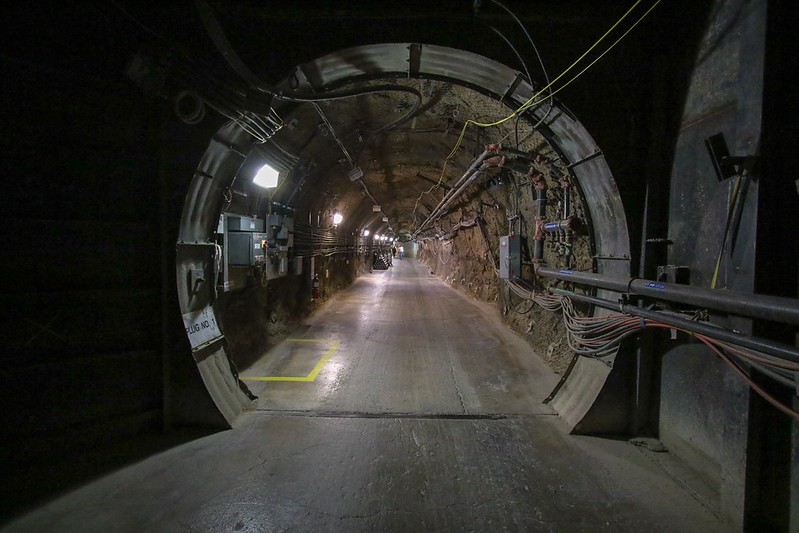
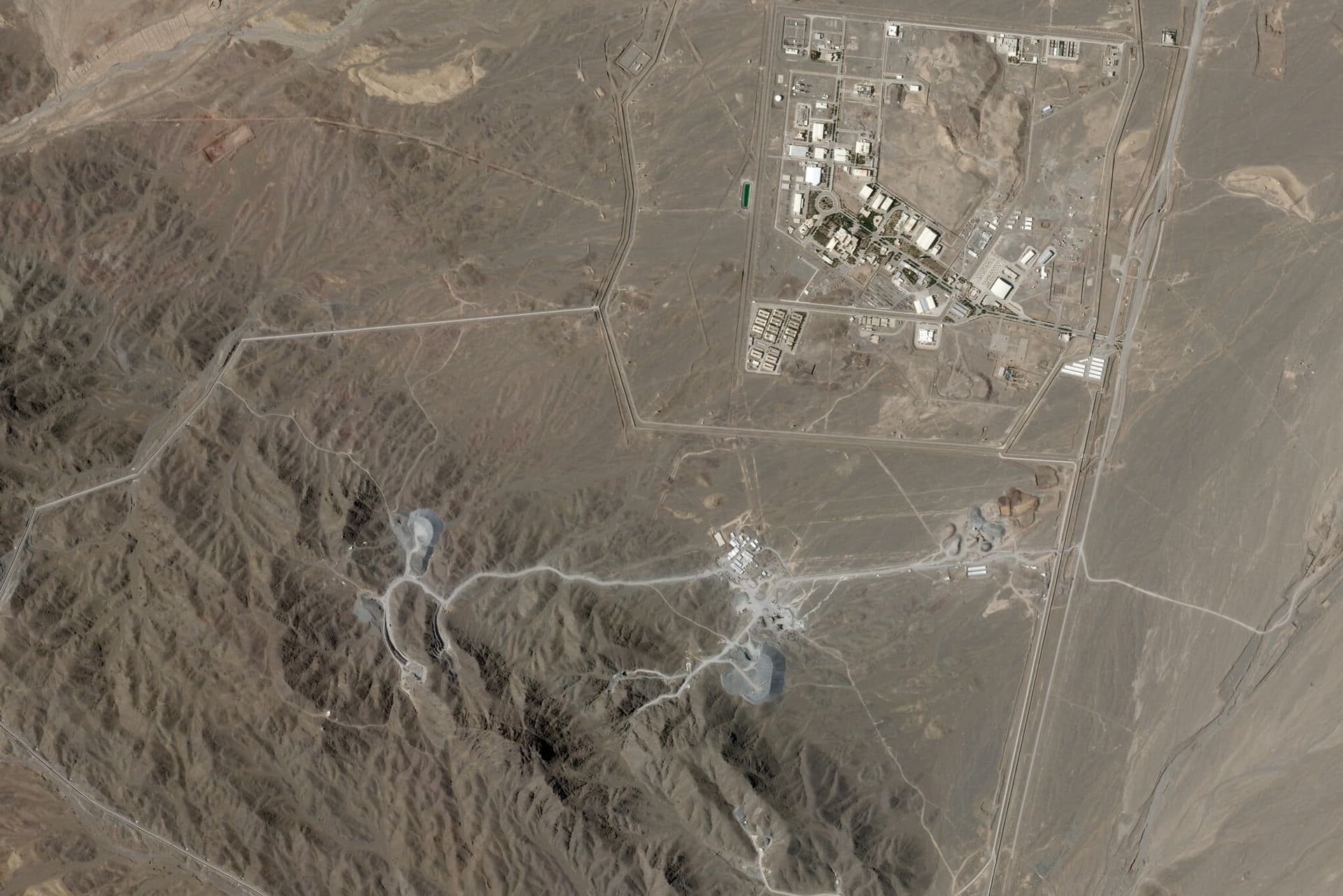
The National Nuclear Security Administration conducted a non-nuclear underground experiment at the Nevada National Security Site on Sept. 30 to improve U.S. detection of low-yield nuclear explosions, especially blasts whose seismic signals may be muffled through “decoupling.” The test used conventional high explosives, radiotracers and sensors in the site’s P Tunnel; its measurements will help validate scientific models and refine detection algorithms. The effort comes amid U.S. allegations that China conducted a nuclear test in 2020 using methods to reduce its detectable seismic signature, which Beijing denies.
Key Points
1
The Nevada National Security Site is about 65 miles northwest of Las Vegas and hosted U.S. aboveground and underground nuclear weapons tests from 1951 to 1992.
2
Researchers used several kinds of instruments to study the blast, including accelerometers and seismometers to measure ground motion, as well as infrasound and electromagnetic sensors.
3
The Energy Department described decoupling by analogy to stealth technology: like a stealth aircraft appearing smaller on radar, decoupling can muffle signals enough to make a large underground explosion appear smaller to detection sensors.
4
China rejected Washington’s allegation about the 2020 test as “entirely unfounded,” and said it was an attempt to “fabricate excuses for resuming” U.S. nuclear testing.
5
The United States has also called for a broader arms control treaty amid concerns about the detection and monitoring of nuclear explosions.
Sentiment
Mostly NegativeNEGATIVENEUTRALPOSITIVE
Publishers
8
Articles
92
Reach
100
A
AnonymousAuthor